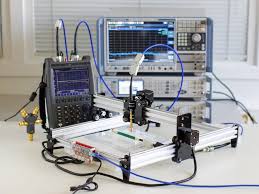
Electromagnetic Compatibility EMC testing is a critical process used to ensure that electronic devices operate reliably without interfering with other equipment or being affected by external electromagnetic disturbances. In today’s highly connected world—filled with wireless devices, industrial machines, and smart technologies—EMC compliance is essential for product safety, legal approval, and market access.
What is EMC Testing?
EMC testing evaluates whether an electronic or electrical device can:
- Function properly in its electromagnetic environment
- Avoid emitting excessive electromagnetic interference (EMI)
- Remain immune to external electromagnetic disturbances
In simple terms, EMC ensures that devices don’t “disturb” each other and can operate together without malfunction.
The concept is closely tied to Electromagnetic Compatibility (EMC), which is the foundation of modern electronic product design and certification.
Why EMC Testing is Important
Without EMC compliance, electronic devices may:
- Cause interference in radios, Wi-Fi, or mobile networks
- Malfunction when exposed to nearby equipment
- Fail regulatory approval in major markets
- Pose safety risks in medical or automotive environments
EMC testing is therefore not optional—it is legally required in many regions before products can be sold.
For example, regulatory bodies like the Federal Communications Commission (FCC) enforce strict EMC/EMI limits for electronic devices sold in the United States.
Types of EMC Testing
EMC testing is generally divided into two major categories:
1. Emissions Testing
This checks how much electromagnetic energy a device emits.
It includes:
- Radiated emissions (wireless leakage into air)
- Conducted emissions (noise through cables and power lines)
2. Immunity Testing
This measures how well a device resists external electromagnetic interference.
It includes:
- Electrostatic discharge (ESD)
- RF immunity testing
- Surge and electrical fast transient testing
- Power frequency magnetic field testing
Key EMC Standards
Different regions follow different EMC regulations and standards. The most widely recognized include:
- IEC 61000 series – global EMC standards by the International Electrotechnical Commission
- CISPR standards – emission limits for radio interference
- FCC Part 15 – US requirements for unintentional radiators
- EN 55032 / EN 55035 – European standards for multimedia equipment
The International Electrotechnical Commission (IEC) plays a major role in defining international EMC testing frameworks.
EMC Testing Process
A typical EMC testing workflow includes:
1. Pre-Compliance Testing
Engineers test early prototypes to identify issues before formal certification.
2. Full Compliance Testing
Performed in accredited EMC laboratories using specialized chambers:
- Anechoic chambers for radiated emissions
- Shielded rooms for immunity testing
- Line impedance stabilization networks (LISNs) for conducted testing
3. Analysis and Debugging
If a device fails, engineers analyze the source of interference and redesign circuits, shielding, or grounding.
4. Certification Submission
Final test reports are submitted to regulatory bodies for approval.
Common EMC Failures
Devices often fail EMC tests due to:
- Poor PCB layout design
- Inadequate grounding
- Unshielded cables
- Switching power supply noise
- Weak filtering components
Fixing these early in design saves time and certification costs.
Industries That Require EMC Testing
EMC compliance is essential in nearly every electronics-driven industry:
- Consumer electronics (phones, laptops, smart TVs)
- Automotive systems (ECUs, infotainment, EV systems)
- Medical devices (MRI machines, monitors, implants)
- Industrial automation systems
- Aerospace and defense electronics
Benefits of EMC Compliance
Meeting EMC requirements provides:
- Faster market approval
- Improved product reliability
- Reduced risk of interference issues
- Increased customer trust
- Compliance with global regulations
Conclusion
EMC testing is a fundamental step in modern electronics development. It ensures that devices can operate safely and efficiently in increasingly complex electromagnetic environments. From design stage testing to final certification, EMC compliance protects both manufacturers and end users while enabling seamless global product deployment.
Whether you’re building consumer electronics or industrial systems, understanding and implementing EMC testing is essential for long-term success in the electronics market.