The global Farm Management Software Market is witnessing remarkable growth as agriculture rapidly embraces digital transformation. Farmers, agribusinesses, and agricultural cooperatives are increasingly adopting software solutions to improve productivity, optimize resource utilization, and make data-driven decisions. These platforms integrate information from multiple farm operations, enabling users to monitor crop health, livestock performance, equipment usage, weather conditions, inventory, labor, and financial management through a centralized system.
According to IMARC Group, the global Farm Management Software Market reached USD 3.4 Billion in 2025. Looking forward, the market is expected to reach USD 7.2 Billion by 2034, exhibiting a CAGR of 8.60% during 2026-2034.
The increasing need for precision agriculture, rising concerns regarding food security, and the growing adoption of Internet of Things (IoT) devices are accelerating market expansion. Governments across numerous countries are also encouraging smart farming practices through financial incentives and digital agriculture initiatives, enabling farmers to improve operational efficiency while promoting sustainable farming.
As climate change continues to create uncertainty in agricultural production, farm management software has become an essential tool for monitoring field conditions, predicting crop performance, minimizing risks, and improving profitability. Cloud computing, artificial intelligence (AI), satellite imagery, drones, and real-time analytics are making these platforms more sophisticated and accessible for farms of every size.
Request Sample of PDF Report: https://www.imarcgroup.com/farm-management-software-market/requestsample
What Is Driving the Farm Management Software Market?
Several interconnected factors are contributing to the continuous expansion of the Farm Management Software Industry. As farming becomes increasingly technology-driven, digital management platforms are helping producers maximize productivity while reducing operational costs.
Rising Adoption of Precision Agriculture
Precision agriculture has become one of the strongest growth drivers for the market. Farmers are utilizing GPS technology, sensors, satellite imagery, drones, and connected machinery to monitor field conditions with greater accuracy.
Farm management software consolidates these datasets into easy-to-understand dashboards, allowing users to optimize irrigation schedules, fertilizer application, pesticide usage, and harvesting activities. This results in higher crop yields while reducing unnecessary input costs.
The growing focus on sustainable farming practices has further accelerated investments in precision agriculture technologies, making software platforms an essential component of modern farming operations.
Increasing Digitalization Across Agriculture
Agriculture is undergoing a significant digital transformation. Traditional manual record-keeping methods are gradually being replaced by cloud-based software that provides real-time access to operational data.
Farmers can now manage multiple farms remotely using smartphones, tablets, or computers while accessing weather forecasts, machinery status, financial reports, inventory levels, and labor management tools.
Cloud deployment also enables secure data storage, automatic software updates, and seamless collaboration between farmers, agronomists, suppliers, and financial institutions.
Growing Need for Sustainable Farming
Environmental sustainability has become a major priority for agricultural producers worldwide.
Farm management software enables farmers to monitor water consumption, fertilizer application, pesticide usage, and greenhouse gas emissions. These insights help improve resource efficiency while supporting compliance with environmental regulations.
By minimizing waste and optimizing agricultural inputs, software platforms contribute to both profitability and long-term environmental conservation.
As governments introduce stricter sustainability policies, demand for digital farm management solutions is expected to continue increasing.
Government Support for Smart Agriculture
Many governments are actively promoting digital agriculture through funding programs, technology adoption initiatives, and rural modernization strategies.
Financial incentives for precision farming equipment, smart irrigation systems, and digital record management are encouraging farmers to invest in software solutions.
Government-backed research institutions are also collaborating with technology providers to develop innovative digital farming platforms capable of improving food security and agricultural resilience.
These initiatives are creating favorable conditions for continued growth across the global Farm Management Software Market.
Technology Trends Reshaping the Farm Management Software Industry
Technology innovation remains one of the most influential factors driving the evolution of the market.
Artificial intelligence is helping farmers generate predictive insights based on historical production data, weather forecasts, and satellite imagery. Machine learning algorithms can identify crop diseases, estimate yields, and recommend optimal planting schedules.
The Internet of Things (IoT) enables connected devices such as soil moisture sensors, weather stations, irrigation controllers, and smart livestock monitoring systems to continuously transmit real-time operational data.
Cloud computing has improved accessibility by allowing users to manage farm operations from virtually anywhere while ensuring secure data backup and system scalability.
Drone technology is increasingly being integrated into farm management software for crop scouting, field mapping, disease detection, and aerial spraying. Combined with satellite imagery, drones provide detailed field intelligence that enables faster and more accurate decision-making.
Big data analytics is another significant trend, allowing software platforms to process enormous volumes of agricultural information and generate actionable recommendations that improve operational efficiency and reduce production risks.
These technological advancements are transforming farm management software from a simple record-keeping solution into a comprehensive digital decision-support platform for modern agriculture.
Emerging Opportunities for Businesses
The rapid evolution of the Farm Management Software Industry is creating substantial opportunities for software developers, cloud service providers, agritech startups, equipment manufacturers, and agricultural consultants.
Increasing adoption among small and medium-sized farms presents a significant growth opportunity, particularly in emerging economies where digital agriculture remains in its early stages.
Software providers are expanding their offerings by incorporating artificial intelligence, predictive analytics, mobile applications, and integrated financial management features that simplify day-to-day farm operations.
Strategic partnerships between technology companies, agricultural equipment manufacturers, research organizations, and government agencies are also driving innovation while expanding market reach.
As digital agriculture continues gaining momentum worldwide, businesses capable of delivering scalable, user-friendly, and data-driven farm management solutions are expected to benefit from growing demand across commercial farming operations.
Market Segmentation Analysis
The Farm Management Software Market is expanding across multiple agricultural segments as farmers increasingly recognize the value of digital solutions for improving productivity and operational efficiency. Farm management platforms are designed to support various farming activities, enabling users to monitor resources, analyze performance, and make informed decisions throughout the production cycle.
By Agriculture Type
The market is segmented into:
- Precision Farming
- Livestock Monitoring
- Fish Farming
- Smart Greenhouse
- Others
Precision Farming represents one of the largest application areas within the market. Farmers are increasingly relying on software solutions integrated with GPS, IoT sensors, drones, and satellite imagery to optimize planting schedules, irrigation, fertilization, and harvesting. These technologies help reduce operational costs while maximizing crop yields through data-driven farming practices.
Livestock Monitoring is another rapidly growing segment. Farm management software enables producers to monitor animal health, feeding schedules, breeding cycles, milk production, and movement through connected wearable devices and sensors. This improves animal welfare while enhancing operational efficiency and reducing losses.
Fish Farming is also benefiting from digital transformation. Aquaculture operators are adopting software platforms to monitor water quality, feeding schedules, stock health, and environmental conditions. These capabilities help improve productivity while minimizing disease outbreaks and resource wastage.
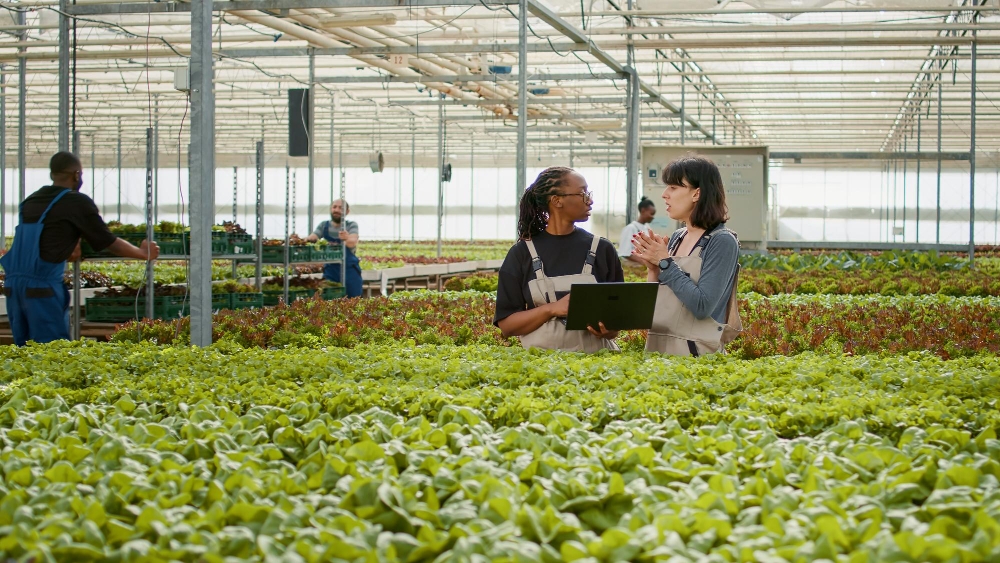
Smart Greenhouse applications continue gaining popularity due to the increasing demand for controlled-environment agriculture. Farm management software allows greenhouse operators to automate lighting, irrigation, humidity, and temperature control while continuously monitoring crop conditions through connected devices.
Other specialized agricultural applications are also adopting digital management platforms as the benefits of automation, real-time monitoring, and predictive analytics become increasingly evident across the farming ecosystem.
By Deployment Mode
The market is segmented into:
- Cloud-based
- On-premises
Cloud-based deployment is witnessing strong adoption due to its flexibility, scalability, and cost-effectiveness. Farmers can access operational data remotely using mobile devices, tablets, or computers without requiring extensive IT infrastructure. Automatic software updates, secure data storage, and seamless collaboration between multiple stakeholders further strengthen the appeal of cloud-based solutions.
On-premises deployment remains relevant for organizations that require greater control over sensitive operational data or operate in areas with limited internet connectivity. Large commercial farms and agribusiness enterprises often choose this model to meet internal security requirements and integrate with existing enterprise systems.
Breakup by Service:
- System Integration and Consulting
- Maintenance and Support
- Managed Services
- Assisted Professional Services
The report has provided a detailed breakup and analysis of the market based on the service. This includes system integration and consulting, maintenance and support, managed services, and assisted professional services.
Regional Analysis
The Farm Management Software Market demonstrates strong growth across multiple regions, driven by increasing digitalization, government support, and the widespread adoption of precision agriculture technologies.
North America
North America remains one of the leading regional markets due to its advanced agricultural infrastructure and high adoption of smart farming technologies. Farmers across the region are investing in IoT-enabled equipment, autonomous machinery, and artificial intelligence-based farm management systems to improve productivity while reducing labor requirements.
The presence of established agritech companies, favorable government initiatives, and strong investments in agricultural innovation continue supporting regional market growth.
Europe
Europe is witnessing significant adoption of farm management software as sustainability, environmental compliance, and precision agriculture become key priorities. Farmers are increasingly utilizing digital platforms to optimize fertilizer application, water management, and carbon footprint reduction while complying with evolving agricultural regulations.
Growing investments in climate-smart agriculture are expected to further strengthen demand throughout the region.
Asia-Pacific
Asia-Pacific is projected to experience substantial growth during the forecast period. Rapid population growth, increasing food demand, expanding smartphone penetration, and supportive government programs promoting digital agriculture are encouraging software adoption across countries in the region.
The modernization of agricultural practices and increasing investments in smart farming infrastructure present significant opportunities for software providers.
Latin America
Agriculture plays a vital role in many Latin American economies, driving increased interest in digital farm management solutions. Large-scale commercial farming operations are adopting software platforms to improve crop management, livestock monitoring, and operational planning while enhancing export competitiveness.
Middle East and Africa
The Middle East and Africa are gradually embracing farm management software to improve water efficiency, optimize crop production, and strengthen food security. Smart irrigation systems, greenhouse automation, and precision farming technologies are becoming increasingly important in addressing regional agricultural challenges.
Investment and Funding Landscape
Investment activity continues to accelerate across the Farm Management Software Industry as digital agriculture becomes a strategic priority for governments, private investors, and technology companies.
Venture capital firms are actively investing in agritech startups developing innovative software platforms powered by artificial intelligence, machine learning, remote sensing, and predictive analytics. These investments are enabling companies to expand product capabilities while accelerating commercial adoption.
Strategic partnerships between software developers, agricultural equipment manufacturers, telecommunications providers, and research institutions are becoming increasingly common. Such collaborations facilitate the integration of connected machinery, IoT devices, and advanced analytics into unified farm management ecosystems.
Cloud infrastructure providers are also investing heavily in scalable digital agriculture platforms capable of supporting farms of varying sizes across different geographical regions. Subscription-based pricing models are making advanced software solutions more affordable for small and medium-sized farms, further expanding the addressable market.
In addition, governments and international organizations continue allocating funding toward smart farming initiatives, digital infrastructure development, and agricultural modernization programs. These investments are expected to stimulate long-term growth while encouraging broader technology adoption across the farming sector.
Market Challenges
Despite promising growth prospects, the Farm Management Software Market faces several challenges that may affect adoption rates in certain regions.
High Initial Investment
Although cloud-based solutions have reduced implementation costs, some farmers remain hesitant to invest in digital technologies due to budget limitations, particularly in developing economies.
Limited Digital Literacy
Successful implementation requires users to understand software functionality, data interpretation, and digital workflows. Limited technical expertise among certain farming communities can slow adoption.
Connectivity Issues
Reliable internet access remains a challenge in many rural agricultural regions. Since many modern platforms rely on cloud infrastructure and real-time data synchronization, inadequate connectivity may restrict software functionality.
Data Security and Privacy
As farms generate increasing amounts of operational data, cybersecurity has become an important consideration. Software providers must ensure secure storage, data privacy, and protection against cyber threats to maintain user confidence.
Integration Complexity
Many farms operate diverse equipment from multiple manufacturers. Integrating machinery, sensors, drones, weather stations, and financial systems into a single software platform can sometimes present technical challenges.
Addressing these issues through affordable solutions, improved user training, enhanced cybersecurity, and better interoperability will be essential for sustaining market growth.
Competitive Landscape
The Farm Management Software Industry is highly competitive, with established technology companies and emerging agritech innovators continuously enhancing their product offerings.
Competition is expected to intensify as software providers introduce more advanced predictive analytics, automation capabilities, and integrated decision-support systems. Companies that deliver intuitive user experiences, scalable cloud infrastructure, and comprehensive farm management capabilities are likely to strengthen their competitive position in the years ahead.
- Ag Leader Technology
- AGCO Corporation
- AgJunction Inc.
- AGRIVI, Corteva Inc.
- Deere & Company
- DeLaval
- Microsoft Corporation
- Raven Industries Inc. (CNH Industrial N.V.)
- RELX Group plc
- Syngenta (China National Chemical Corporation)
- The Climate Corporation (Bayer AG)
- Topcon Corporation and Trimble Inc
Latest Industry Developments
Innovation continues to shape the Farm Management Software Market as technology providers introduce advanced digital solutions that improve farm productivity, sustainability, and operational efficiency. During 2025–2026, the industry has witnessed growing investment in artificial intelligence (AI), cloud computing, precision agriculture, and connected farming technologies.
Expansion of AI-Powered Farm Decision Support
Software developers are increasingly integrating AI and machine learning capabilities into farm management platforms. These technologies analyze historical farm data, weather forecasts, soil conditions, and crop performance to generate actionable recommendations for planting schedules, irrigation management, fertilizer application, and pest control.
By transforming large volumes of agricultural data into practical insights, AI-powered platforms help farmers make faster, more informed decisions while improving productivity and reducing operational risks.
Impact on Market Growth:
The growing adoption of AI is enhancing the value proposition of farm management software, encouraging greater investment across commercial farming operations and accelerating digital transformation within agriculture.
Increasing Adoption of Cloud-Based Farm Management Platforms
Cloud deployment continues to gain momentum as farmers seek flexible, scalable, and cost-effective digital solutions. Cloud-based platforms enable users to access farm information remotely through smartphones, tablets, and computers while supporting seamless collaboration among farm managers, agronomists, suppliers, and financial institutions.
Automatic software updates, centralized data storage, and subscription-based pricing models are making advanced farm management solutions more accessible for farms of all sizes.
Impact on Market Growth:
Cloud technology is lowering adoption barriers and expanding software usage among small and medium-sized farms, supporting sustained growth across the global market.
Greater Integration of IoT and Connected Farming Technologies
The use of Internet of Things (IoT) devices continues to expand across modern agriculture. Soil moisture sensors, weather stations, smart irrigation systems, GPS-enabled machinery, and livestock monitoring devices are increasingly connected to centralized farm management software.
Real-time data collection enables farmers to optimize resource utilization, improve equipment performance, reduce water consumption, and detect potential issues before they affect production.
Impact on Market Growth:
Connected farming technologies are improving operational efficiency while strengthening the role of farm management software as the digital backbone of precision agriculture.
Rising Focus on Sustainable Agriculture
Sustainability remains a major priority for agricultural producers worldwide. Farm management software is increasingly being used to monitor water consumption, fertilizer usage, pesticide application, and environmental performance.
Digital record-keeping also supports regulatory compliance and sustainability reporting while helping producers implement environmentally responsible farming practices.
Impact on Market Growth:
Growing emphasis on sustainable agriculture is encouraging wider adoption of digital management platforms that improve both environmental performance and long-term profitability.
Future Outlook
The future of the Farm Management Software Market appears highly promising as digital technologies become an integral part of agricultural operations worldwide. Increasing global food demand, labor shortages, climate variability, and the need for sustainable farming practices are expected to accelerate software adoption throughout the forecast period.
Artificial intelligence, machine learning, predictive analytics, remote sensing, drones, satellite imagery, and IoT technologies will continue to transform how farms are managed. Future software platforms are expected to deliver increasingly accurate recommendations through advanced data analytics and automation, enabling farmers to maximize yields while minimizing operational costs.
Cloud computing will further improve accessibility, allowing farms of every size to implement sophisticated management solutions without significant upfront infrastructure investments. Mobile applications will continue to simplify farm operations by providing instant access to real-time information from virtually any location.
Emerging economies are expected to present substantial growth opportunities as governments invest in agricultural modernization and digital infrastructure. Increased awareness of precision agriculture, combined with expanding internet connectivity and smartphone adoption, will encourage broader implementation of farm management software across developing agricultural markets.
As sustainability becomes central to agricultural policies and business strategies, digital platforms capable of measuring environmental performance, optimizing resource utilization, and supporting climate-smart farming practices are likely to experience particularly strong demand.
About Us
IMARC Group is a global management consulting firm working alongside the world’s most ambitious changemakers to create a lasting impact․ The company offers a full range of market entry and expansion services․ IMARC’s services include market entry services such as market research and forecasting‚ feasibility studies‚ business registries and formation‚ factory establishment‚ governmental and regulatory approvals and licenses‚ branding‚ marketing and sales consultation‚ competitor research and benchmarking‚ pricing and cost research‚ and procurement research․
Contact Us
IMARC Group‚
134 N 4th St․ Brooklyn‚ NY 11249‚ USA
Email: sales@imarcgroup․com
Tel No: (D) +91 120 433 0800
United States: +1-201971-6302