Quick answer: To sponsor a housemaid visa in Dubai, you must meet a minimum monthly salary threshold, hold valid UAE residency, and submit the required documents through the Ministry of Human Resources and Emiratisation (MOHRE). The process involves a formal employment contract, medical testing, and insurance coverage for the domestic worker.
Sponsoring a housemaid in Dubai is a common practice—but the legal process behind it is more involved than many residents expect. From salary requirements to mandatory insurance, the UAE government has put clear rules in place to protect both employers and domestic workers.
Whether you’re a first-time sponsor or looking to renew an existing arrangement, understanding the full picture before you start can save you time, money, and avoidable complications. This guide walks you through every key requirement, with practical tips to help you get it right the first time.
What Are the Basic Eligibility Requirements to Sponsor a Housemaid Visa in Dubai?
Before starting the application process, you need to confirm that you qualify as a sponsor under UAE law. The key requirements include:
- Minimum monthly salary: The sponsor must earn at least AED 6,000 per month (or AED 5,000 plus accommodation). This threshold ensures the sponsor can financially support the domestic worker.
- Valid UAE residency: The sponsor must hold a valid UAE residence visa.
- Suitable accommodation: The sponsor must provide appropriate housing for the housemaid within their home.
- Clean legal record: Sponsors must not have prior violations related to domestic worker employment.
If you’re a business owner or self-employed, working with the best business administration service Dubai can simplify the verification process—especially if your income documentation is complex or comes from multiple sources. Professional service providers can help compile and authenticate the financial documents required by the Ministry of Human Resources and Emiratisation (MOHRE).
How Does the Dubai Domestic Worker Visa Application Process Work?
The housemaid visa process in Dubai involves several stages. Here’s a step-by-step breakdown:
Step 1: Get Approval from MOHRE
The first step is submitting a domestic worker request through the MOHRE portal or one of its approved recruitment agencies. MOHRE oversees all domestic labor contracts in the UAE and must approve the arrangement before any visa is issued.
Step 2: Recruit Through a Licensed Agency
Sponsors must hire domestic workers through agencies licensed by MOHRE. Hiring through unlicensed channels is illegal and can result in fines or bans. Licensed agencies handle recruitment from approved source countries, including the Philippines, India, Sri Lanka, Indonesia, Ethiopia, and others.
Step 3: Sign a Unified Employment Contract
A standard MOHRE employment contract must be signed by both parties. This contract outlines the worker’s duties, working hours, salary, rest days, annual leave entitlement (30 days per year), and end-of-service benefits. The contract is legally binding under Federal Law No. 10 of 2017, which specifically governs domestic workers in the UAE.
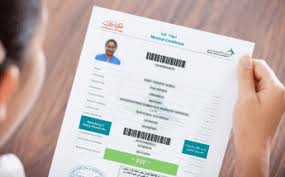
Step 4: Complete Medical Testing
Once the domestic worker arrives in the UAE, they must undergo a mandatory medical fitness test at an approved health center. This test screens for communicable diseases. If the worker fails, they may be repatriated.
Step 5: Obtain an Entry Permit and Residency Visa
After medical clearance, the sponsor applies for:
- A UAE entry permit for the worker
- A residency visa stamped into the worker’s passport
- An Emirates ID through the Federal Authority for Identity, Citizenship, Customs and Port Security (ICP)
The residency visa is typically valid for two years and must be renewed before expiry.
Step 6: Purchase Mandatory Health Insurance
Sponsors are legally required to provide health insurance for their domestic workers. In Dubai, this falls under the Dubai Health Authority (DHA) insurance mandate. Failure to provide coverage can result in fines during renewal.
What Are the Key Legal Obligations of a Housemaid Visa Sponsor in Dubai?
Sponsoring a domestic worker comes with ongoing legal responsibilities. These include:
- Salary payment: The agreed monthly salary must be paid on time. Wage disputes can be reported to MOHRE.
- Rest and leave entitlements: Workers are entitled to one paid rest day per week, 30 days of annual paid leave, and 30 days of sick leave per year.
- Safe working conditions: Sponsors must ensure the worker is not subjected to abuse, excessive working hours, or unsafe conditions.
- Return ticket and end-of-service gratuity: At the end of the contract, sponsors must provide a return ticket to the worker’s home country and pay end-of-service gratuity calculated at one month’s salary per year of service.
A knowledgeable business advisor Dubai can also help employers understand their obligations under UAE labor law—particularly useful if you’re new to the region and unfamiliar with how domestic labor regulations differ from corporate employment law.
What Are the Costs Involved in Sponsoring a Housemaid Visa in Dubai?
The total cost of sponsoring a housemaid visa in Dubai can vary, but typical expenses include:
- MOHRE service fees: Government fees for processing the domestic worker contract
- Recruitment agency fees: Varies by agency and source country (often AED 5,000–AED 15,000+)
- Medical test fees: Approximately AED 250–AED 350
- Visa and Emirates ID fees: Around AED 1,000–AED 1,500
- Health insurance: From AED 600–AED 1,200 annually depending on the plan
- Return ticket: To be covered at the end of the contract
These are estimates and can change based on government fee updates. Always check the MOHRE and ICP websites for current rates.
Helpful Tips for a Smooth Sponsorship Process
- Use the MOHRE app or website to track your application status in real time.
- Keep copies of all contracts and documents, including the employment agreement, visa, and insurance policy.
- Register with a licensed recruiter early—recruitment timelines from some countries can be 4–8 weeks.
- Clarify duties in writing from the start to avoid future disputes. Be specific about roles such as cleaning, childcare, or cooking.
- Understand the two-year probation rule: During the first six months, either party can terminate the contract with a 30-day notice period.
What Happens If a Sponsor Violates Domestic Worker Regulations?
Non-compliance carries real consequences in the UAE. Sponsors who violate domestic worker rights—through non-payment of wages, illegal termination, or abuse—can face:
- Fines of up to AED 100,000
- A ban on sponsoring domestic workers in the future
- Criminal liability in cases involving abuse or trafficking
The UAE government has significantly strengthened enforcement of domestic labor laws in recent years, in line with international labor standards.
Final Words
Sponsoring a housemaid visa in Dubai is a straightforward process once you know the rules—but it does require careful attention to legal obligations at every stage. From the initial eligibility check to ongoing salary and insurance responsibilities, staying compliant protects both you and the person you employ.
If any part of the process feels unclear, don’t hesitate to seek professional guidance. The UAE has strong systems in place, and working within them makes the entire experience smoother for everyone involved.
Frequently Asked Questions
What is the minimum salary to sponsor a housemaid visa in Dubai?
Sponsors must earn a minimum of AED 6,000 per month, or AED 5,000 per month if accommodation is provided. This requirement ensures the sponsor can financially support the domestic worker.
Can I sponsor a housemaid visa in Dubai if I’m self-employed?
Yes, self-employed individuals can sponsor a housemaid visa, provided they meet the salary threshold and hold a valid UAE residence visa. Documentation of income may need to be verified through official channels.
How long is a housemaid visa valid in Dubai?
A housemaid residency visa in Dubai is typically valid for two years and can be renewed prior to expiry.
What happens if my housemaid wants to leave before the contract ends?
Either party can terminate the contract during the first six months with 30 days’ written notice. After this period, early termination conditions are governed by the signed MOHRE contract and may involve compensation obligations.
Is health insurance mandatory for domestic workers in Dubai?
Yes. Dubai law requires sponsors to provide health insurance coverage for their domestic workers under the Dubai Health Authority (DHA) mandate. Failure to do so can result in penalties during visa renewal.
Do I have to pay for my housemaid’s return ticket?
Yes. At the end of the employment contract, the sponsor is legally required to provide a return ticket to the domestic worker’s home country.