Books are surprisingly easy to damage when they are packed incorrectly. A bent corner, a torn dust jacket, or exposure to moisture can quickly turn a valuable book into a disappointing delivery. Whether you’re sending a single paperback, moving an entire library, or storing books for the long term, the right packaging makes all the difference.
The good news is that protecting books doesn’t require complicated methods. It simply comes down to choosing suitable packaging materials and packing them with care.
What Makes Books Vulnerable During Transit?
Unlike many products, books can suffer damage even when they aren’t fragile.
Common issues include:
- Bent covers and pages
- Creased corners
- Torn dust jackets
- Scratches on hardback covers
- Moisture damage
- Movement inside the parcel
According to guidance from major logistics providers, most book damage occurs when items shift inside a package or when insufficient cushioning is used around exposed edges.
Why Should You Start with Protective Wrapping?
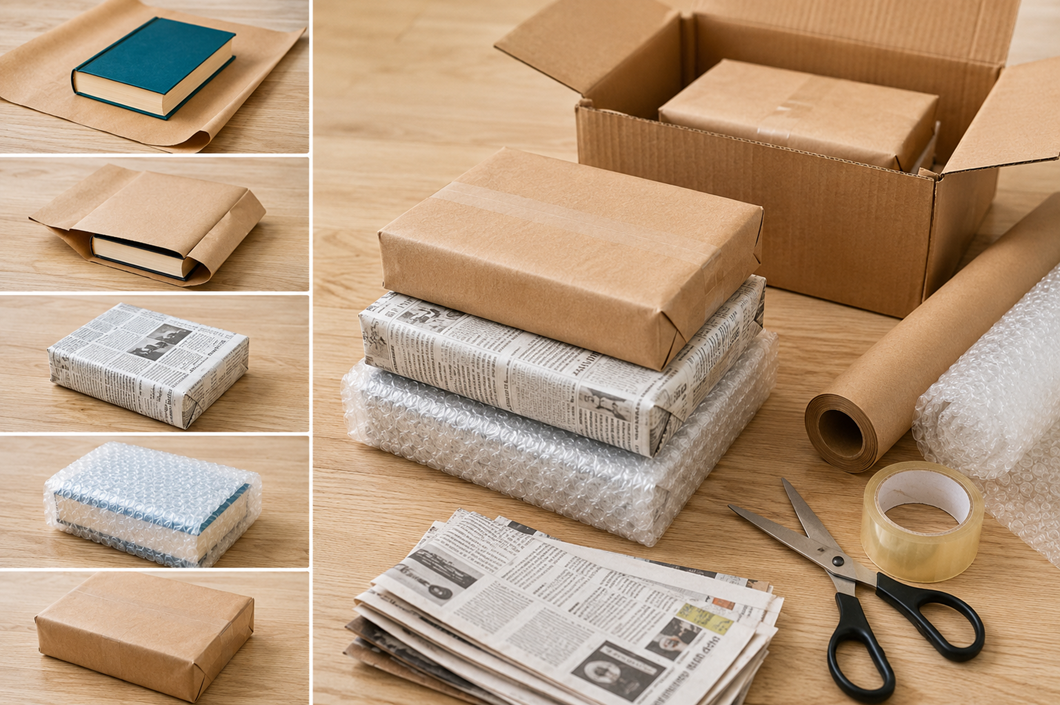
Before placing a book in a box or mailing pack, it should be properly wrapped.
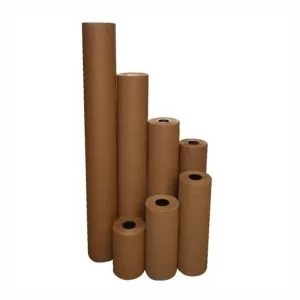
Brown Parcel Paper
Many book sellers and independent retailers still rely on brown parcel paper because it provides a simple protective layer around the book.
It can help:
- Protect covers from scratches
- Reduce surface scuffs
- Add a professional appearance
- Provide an extra layer beneath outer packaging
For hardback books, wrapping neatly around the corners offers additional protection against minor knocks.
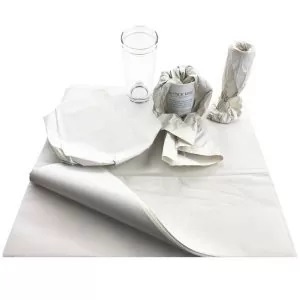
Tissue Paper
Tissue paper is often overlooked, but it can be useful for books with decorative covers or special editions.
It is commonly used for:
- Gift books
- Collectors’ editions
- Presentation packaging
A soft inner layer can help preserve the condition of delicate finishes.
How Can You Prevent Movement Inside the Package?
A book that moves around during transport is far more likely to arrive damaged.
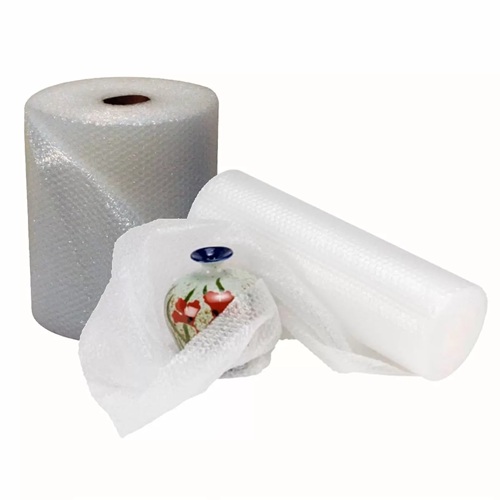
Bubble Wrap
Many fulfilment centres use bubble wrap around books that need additional protection.
It is particularly helpful for:
- Hardback books
- Collectable editions
- Large coffee-table books
- Books travelling long distances
The cushioning effect helps absorb impacts that may occur during handling.
Packing Paper
Void space should never be ignored.
Packing paper can be used to:
- Fill gaps inside cartons
- Stabilise contents
- Reduce internal movement
The goal is to keep the book securely positioned throughout its journey.
Which Outer Packaging Works Best for Books?
The outer packaging often determines how well a parcel withstands the rigours of delivery networks.
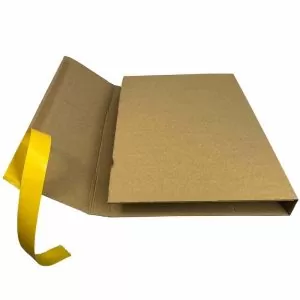
Book Wraps
Purpose-made book wraps are popular among online booksellers because they are designed specifically to fit book dimensions.
Their benefits include:
- Secure fit
- Corner protection
- Reduced movement
- Faster packing times
Many businesses offer a practical solution for everyday book shipments.
Postal Boxes
For larger or multiple books, postal boxes remain a dependable option.
They are often chosen because they:
- Offer rigid protection
- Stack easily during transport
- Accommodate additional cushioning materials
Selecting the correct size is important. A box that is too large can allow unnecessary movement.
Can Recycled Materials Help Protect Books?
Many businesses now use recycled materials as part of their packaging strategy.
Newspaper Offcuts
Clean newspaper offcuts can be useful for filling empty spaces inside a parcel.
They are frequently used to:
- Support books during transit
- Reduce movement
- Add cushioning around edges
However, they should not be placed directly against valuable or collectable books, as printing ink may transfer under certain conditions.
Corrugated Card Inserts
Corrugated board inserts are widely used within the packaging industry.
They help:
- Reinforce parcels
- Protect book corners
- Increase rigidity
This is particularly useful when shipping heavier books.
Why Does Moisture Protection Matter?
Books and moisture have never been good companions.
Even brief exposure to damp conditions can lead to:
- Warped pages
- Staining
- Swelling of covers
- Permanent damage
Parcel Wrap
A quality parcel wrap provides an additional barrier against dirt and moisture during transport.
It is often used when:
- Parcels may encounter varying weather conditions
- Books are travelling long distances
- Additional protection is required during storage
Many professional packers consider moisture protection just as important as impact protection.
Which Packaging Materials Are Best for Different Types of Books?
| Book Type | Recommended Packaging |
| Paperback Novel | Brown parcel paper, postal box |
| Hardback Book | Bubble wrap, cardboard box |
| Collector’s Edition | Tissue paper, book wraps |
| Children’s Books | Packing paper, postal box |
| Large Art Books | Corrugated inserts, protective carton |
| Multiple Books | Strong box, void-fill materials |
What Are the Key Steps for Packing Books Safely?
For the best results:
- Inspect the book before packing.
- Wrap it in a suitable protective layer.
- Add cushioning where necessary.
- Use correctly sized outer packaging.
- Fill any empty spaces.
- Seal securely with strong tape.
- Protect against moisture when required.
Conclusion
Packing books properly is less about using large amounts of packaging and more about using the right materials in the right places. Products such as brown parcel paper, bubble wrap, book wraps, newspaper offcuts, and parcel wrap all serve different purposes, helping to protect books from knocks, movement, and moisture. When combined with sturdy outer packaging and careful packing techniques, they can significantly reduce the risk of damage and help books arrive in the same condition they left in.