Most people upgrading their car multimedia player use spend time thinking about speakers and amplifiers, and almost no time thinking about the head unit. Which is understandable — speakers are tangible, the difference in sound is immediately obvious, and a head unit looks like just a screen until you actually use one daily and realize how much the interface shapes the whole experience.
Android system changes that entirely. Not because it’s flashier than a stock unit, but because it actually works the way a phone works — familiar interface, real navigation through Google Maps rather than outdated built-in maps, Spotify running natively, calls handled cleanly. The difference between a factory unit from 2018 and a current Android multimedia receiver isn’t incremental; it’s a completely different category of device.
What a Proper Android Multimedia Player for Car Actually Gives You
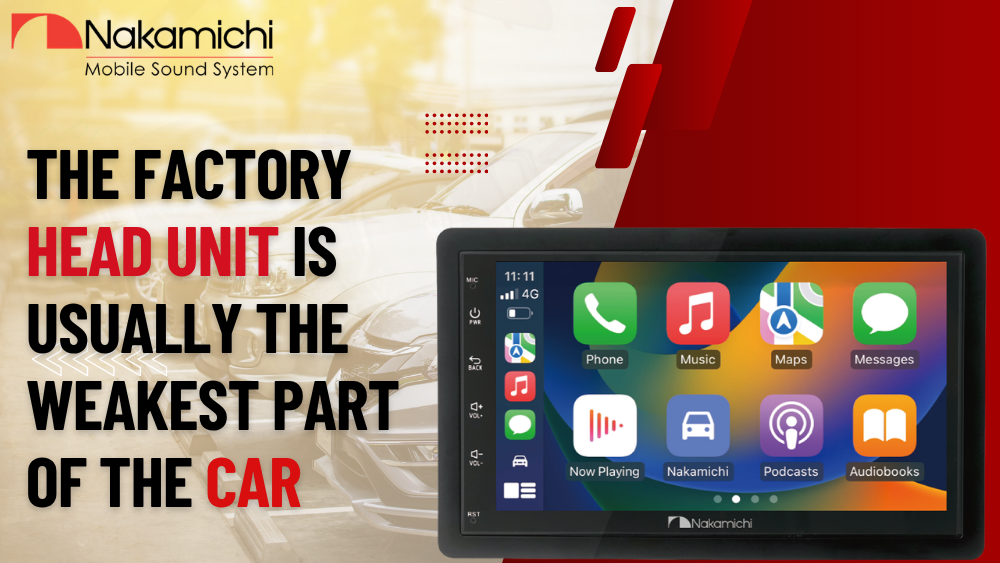
The practical list is longer than people expect. CarPlay and Android Auto for phone mirroring. A rear camera input that displays properly, rather than on a tiny screen with no guidelines. An actual app that updates rather than becoming obsolete. A sound system for a car that can be EQ’s properly rather than through a five-band slider that hasn’t changed since 2005.
Nakamichi’s android multimedia player for car range is built around the understanding that the head unit is the control centre for everything else — audio output levels, source switching, EQ, and camera display. A weak head unit limits all of it, regardless of how good the speakers behind it are. Nakamichi’s car multimedia player lineup handles this without requiring a second mortgage, which is the part that usually doesn’t get mentioned until after someone’s already bought something.
Car Audio System India — What the Market Gets Wrong
A lot of what gets sold as a car Android system in India is impressive on paper and disappointing in daily use. Slow processors that lag on navigation. Screens that wash out in direct sunlight. Build quality that starts showing cracks within a year. The spec sheet looked fine; the daily experience didn’t.
Nakamichi’s approach to the android multimedia receiver category focuses on the things that matter after the first week — processing speed, display quality in real lighting conditions, and software that doesn’t require restarting the unit to behave normally. In a category where most frustrations only reveal themselves over time, that consistency is what actually makes a car multimedia player worth recommending.
FAQs
Does a car’s Android system replace Apple CarPlay and Android Auto entirely?
It runs both alongside native Android apps — CarPlay connects when an iPhone is plugged in, Android Auto for Android phones, and native apps like Spotify or Google Maps run independently when neither is connected. They coexist rather than one replacing the other.
Can I keep my existing speakers with a new Android multimedia receiver?
Yes — the head unit connects to existing speaker wiring. Upgrading the head unit improves source quality and processing regardless of whether the speakers change. Though better speakers do take advantage of the cleaner signal that a good Android multimedia player for the car provides.
How does Nakamichi’s car android system handle sunlight visibility?
Display brightness and QLED screen technology in the higher-spec Nakamichi units address direct sunlight washout, which is one of the more common complaints about cheaper Android multimedia receiver alternatives in Indian driving conditions.
Does the Android multimedia player for the car support a reverse camera?
Yes — most Nakamichi car multimedia player units include rear camera input that activates automatically when reverse gear is engaged, displaying the camera feed with guidelines on the screen.
Is professional installation needed for a car Android system?
A standard double DIN fitting is manageable for someone comfortable with basic car electronics. Camera wiring and steering wheel control integration add complexity — professional installation gets a cleaner result and correct trigger wiring, particularly for the reverse camera input.