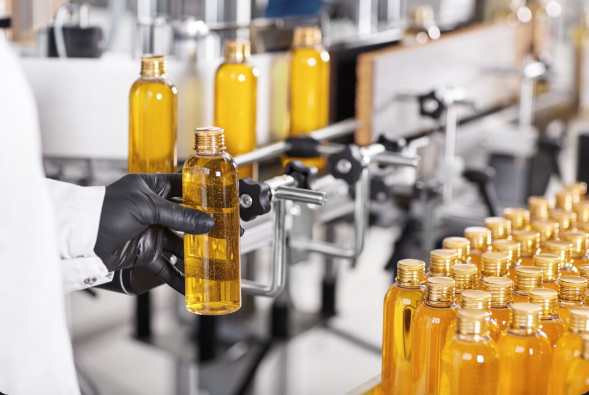
Growing a brand is exciting, but scaling up production without ever losing quality is where many companies struggle the most. Increased demand often means faster timelines, larger batches, and more moving parts to coordinate across teams and vendors. Established brands that manage this successfully rely on smart systems, trusted partners, and consistent standards, which is why many turn to contract manufacturing services for established brands.
Why Quality Slips as Production Volume Grows
When output increases quickly, small inconsistencies can multiply across thousands of units almost overnight. Without the right systems in place, minor errors quickly turn into costly recalls or damaged trust.
Building Standardized Processes Early
Brands that scale successfully document every single step of production long before volume increases dramatically. Standard operating procedures reduce guesswork and keep results consistent no matter who is working on the production line that day. Clear documentation also shortens the time it takes to correct mistakes when they eventually happen during high-demand periods.
These documents also make training new staff much easier during periods of rapid business expansion. When procedures are clear and repeatable, quality stays steady even as teams grow much larger and shifts change frequently throughout the week. New hires reach full productivity faster when instructions leave little room for confusion or improvisation.
Investing in Skilled Quality Teams
A dedicated quality assurance team catches problems before products ever reach customers or store shelves at all. These specialists test raw materials, monitor equipment, and review finished goods against strict internal benchmarks set well in advance. Their oversight becomes even more valuable as production volume increases across multiple shifts and locations.
Hiring experienced quality staff costs real money upfront, but it prevents far more expensive mistakes later on. Brands that skip this step often pay for it through returns, complaints, and lost reputation over time. This is exactly why many established names choose contract manufacturing services for established brands rather than building every single function internally.
Partnering with Reliable Suppliers
Ingredient and raw material quality directly affects the final product that customers eventually receive and evaluate. Brands that scale well build long-term relationships with suppliers who consistently deliver on time and meet strict specifications every single order placed. Trust built over years often matters more than price when volume suddenly spikes.
Backup suppliers also matter a great deal once production volume climbs much higher than before. Relying on a single source creates real risk if that supplier faces delays, so smart brands qualify multiple vendors for critical materials well before problems ever arise unexpectedly.
Choosing the Right Manufacturing Partner
Not every single manufacturer can handle rapid growth without cutting corners somewhere along the way at all. Established brands look for partners with proven capacity, modern equipment, and a track record of meeting deadlines without sacrificing standards that customers have come to expect and trust.
The right manufacturing partner also communicates clearly throughout every stage of the production relationship and process. Regular updates on production timelines, potential delays, and quality checks help brands stay informed and confident throughout every stage of the manufacturing process from start to finish.
Automating Repetitive Production Tasks
Automation reduces human error quite significantly in high-volume environments where speed and precision both matter. Tasks like measuring, mixing, and packaging become far more consistent when machines handle repetitive work that once relied entirely on manual labor for every single batch.
This does not fully eliminate the need for skilled workers on the production floor at all. Instead, automation frees employees to focus on oversight, troubleshooting, and quality checks that require human judgment machines simply cannot replicate, no matter how advanced the technology becomes.
Maintaining Compliance Across Every Batch
Regulatory requirements do not simply shrink as production grows larger or timelines become tighter than expected. Brands must maintain the exact same compliance standards whether they are making a thousand units or a million units each month without exception or shortcut.
Regular audits, careful batch testing, and detailed record keeping help catch compliance issues early before they escalate. Brands that treat compliance as an ongoing top priority avoid the legal and financial risks tied to shortcuts taken during periods of rapid growth or pressure.
Listening to Customer Feedback Loops
Customer feedback quite often reveals quality issues well before internal testing ever does, especially at much larger production volumes. Reviews, complaints, and support tickets give brands early warning signs worth investigating before problems affect larger batches down the line.
Scaling Smart, Not Just Fast
Scaling production successfully takes more than simply adding capacity or hiring staff. It requires the right systems, people, and partners working together toward one standard of quality.
Brands that plan ahead, invest in strong processes, and choose experienced manufacturing partners tend to grow without the setbacks that catch less prepared companies off guard. Companies like ViSona LLC support this kind of growth by helping brands maintain consistency at every stage.