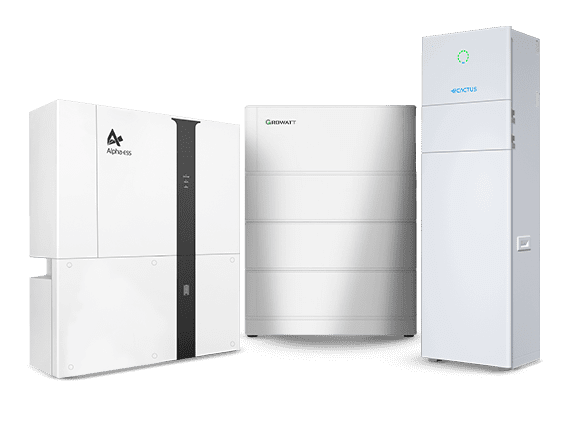
Solar and Battery Storage System: The Smart Way to Power Your Home
A Solar and battery storage system is transforming the way Australian households generate, store, and use electricity. While solar panels allow homeowners to harness energy from the sun during the day, battery storage enables them to save excess electricity for use when solar production is low. Together, these technologies provide greater control over energy consumption and help reduce reliance on the traditional power grid.
As electricity prices continue to rise, many families are exploring whether a Solar and battery storage system is the right investment for their home. Understanding how these systems work and the advantages they offer can help you make an informed decision.
What Is a Solar and Battery Storage System?
A Solar and battery storage system combines solar panels with a battery unit to create a more efficient home energy solution.
The solar panels generate electricity from sunlight, while the battery stores excess energy that is not immediately used by the household.
A typical system includes:
- Solar panels that capture sunlight.
- An inverter that converts electricity into a usable form.
- A battery unit for energy storage.
- Monitoring software to track performance.
- Safety and electrical protection components.
This setup allows homeowners to maximise the use of the electricity they generate themselves.
How Does a Solar and Battery Storage System Work?
Understanding how a Solar and battery storage system operates is relatively straightforward.
During the Day
- Solar panels generate electricity from sunlight.
- Household appliances use the energy required.
- Excess electricity charges the battery.
- Once the battery is fully charged, additional energy may be exported to the grid.
During the Evening
- The battery supplies stored electricity to the home.
- Grid electricity is only used when the battery’s stored energy is depleted.
During Power Interruptions
Certain battery systems can provide backup power for selected circuits, depending on the system design and installation.
This process allows households to use more of their own renewable energy throughout the day and night.
Why Are More Australians Choosing Solar and Battery Storage Systems?
Several factors have contributed to the growing demand for integrated solar and battery solutions.
Rising Electricity Costs
Increasing energy prices are encouraging homeowners to seek alternatives that reduce ongoing household expenses.
Better Use of Solar Energy
Without battery storage, excess solar energy is often exported back to the grid. Batteries allow homeowners to use more of the electricity they generate.
Greater Energy Independence
A Solar and battery storage system reduces dependence on electricity retailers and provides greater control over energy consumption.
Advancements in Battery Technology
Modern battery systems are more efficient, durable, and easier to monitor than earlier technologies.
Benefits of Installing a Solar and Battery Storage System
There are several advantages to combining solar panels with battery storage.
Lower Electricity Bills
One of the most significant benefits is reducing the amount of electricity purchased from the grid.
Stored solar energy can be used during peak periods when electricity prices are often higher.
Increased Self-Consumption
Battery storage enables households to maximise the value of the electricity generated by their solar panels.
Improved Energy Security
Certain systems can provide backup power during outages, offering peace of mind when unexpected interruptions occur.
Reduced Environmental Impact
Using stored renewable energy reduces dependence on electricity generated from fossil fuels.
Long-Term Value
Although the upfront investment may be higher, many homeowners view a Solar and battery storage system as a long-term strategy for managing energy costs.
Is a Solar and Battery Storage System Right for Your Home?
Every household has unique energy requirements. Before investing, it is important to evaluate several factors.
Household Energy Usage
Review your electricity consumption patterns, particularly during evening hours when battery storage delivers the greatest benefit.
Existing Solar System
If you already have solar panels installed, it may be possible to add battery storage to your current setup.
Budget Considerations
Battery systems involve additional upfront costs, so understanding your financial goals is important.
Future Energy Needs
Consider future changes that may increase electricity demand, such as:
- Purchasing an electric vehicle.
- Expanding your household.
- Installing energy-intensive appliances.
Planning ahead can help ensure the system remains suitable over time.
Understanding the NSW Battery Rebate Scheme
For eligible households, the NSW battery rebate scheme may help reduce the cost of installing battery storage.
Government support initiatives can make solar and battery solutions more accessible by lowering the initial investment required.
Internal Link Suggestion: Learn more about the NSW battery rebate scheme and discover whether your household may qualify for available incentives that support battery adoption.
Tips for Choosing the Right Solar and Battery Storage System
To make the most of your investment:
- Work with experienced installation professionals.
- Choose quality products with strong warranties.
- Assess your household’s current and future energy needs.
- Compare battery capacities and monitoring features.
- Understand available incentives and rebates.
Professional advice can help you select a system tailored to your circumstances.
Conclusion
A Solar and battery storage system provides Australian homeowners with an effective way to reduce electricity bills, improve energy independence, and make better use of renewable energy. By storing excess solar power for later use, households can gain greater control over their energy consumption while reducing reliance on the grid.