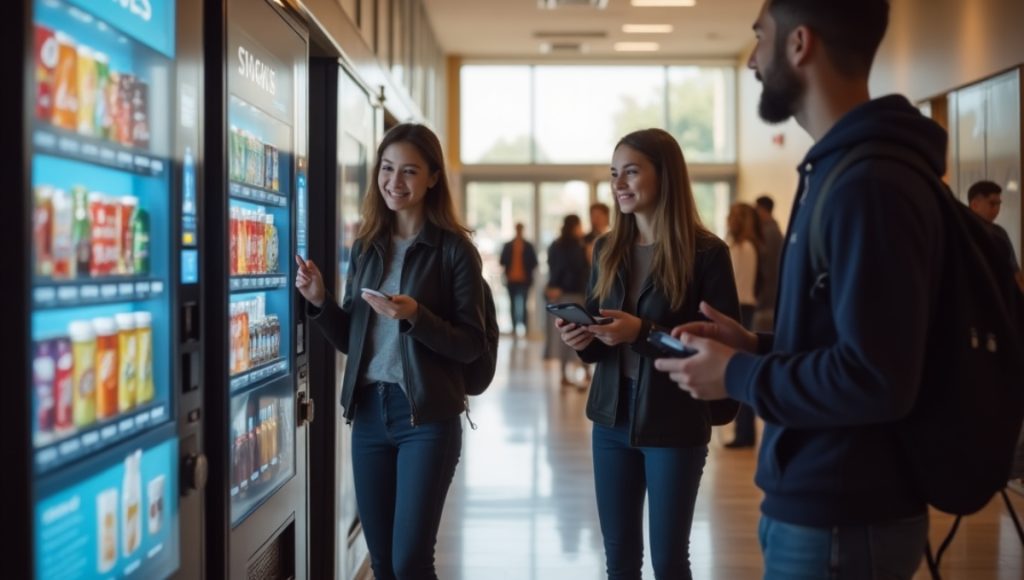
A quick snack, a cold drink, or a way to start their own automated retail venture without the headache of running a traditional shop. Across Australia, smart vending has quietly become one of the most accessible small business models going, and for everyday consumers, it has become the fastest way to grab something on the go without queuing at a servo or café. This article unpacks how modern vending works in Australia, what it costs, what profits look like, and which machine types are worth your attention in 2026. Learn more: https://vending-systems.com.au/
Quick Answers: What People Actually Want to Know
Before diving into the detail, here are the straight answers most readers are chasing, written so you can scan them quickly and walk away informed.
Q. Is owning a vending machine in Australia profitable?
A: Yes, most operators see a modest but steady monthly return, with net profit per machine typically sitting in the low hundreds of dollars once stock and site fees are accounted for. Profit scales with foot traffic, product mix, and how many machines a single operator manages.
Q. What’s the difference between buying, leasing, and free hire models?
A: Buying outright gives full ownership and the highest long-term profit margin but requires upfront capital. Leasing spreads the cost over time with lower entry barriers. Free hire (where a vending company places and stocks the machine at no cost to the venue) suits businesses that want the convenience without any investment, though profit share goes to the operator rather than the host site.
Q. Do vending machines still make sense when most people use their phones to pay for everything?
A: Absolutely, and arguably more than ever. Cashless and contactless payment now dominates the sector, which has actually increased vending machine usage because the friction of needing coins has disappeared entirely.
Q. What types of vending machines are most in demand right now?
A: Beverage machines remain the single biggest revenue category, followed closely by healthy snack machines, coffee machines, and increasingly, novelty and specialty units such as a beer can vending machine for licensed venues, gyms with recovery drinks, and frozen food machines in regional areas with limited retail access.
Q. Where should a vending machine be placed for the best return?
A: High-footfall, captive-audience locations: workplaces, gyms, hospitals, schools, transport hubs, and apartment complexes. The golden rule is consistent daily traffic rather than occasional crowds.
Why Vending Machines Are Booming Across Australia
Australia’s vending sector has shifted well beyond the image of a tired snack machine in a dim hallway. The market is now worth hundreds of millions of dollars annually, and growth is being driven by a combination of rising labour costs, workforce shortages in retail and hospitality, and a genuine consumer appetite for convenience that doesn’t involve waiting in line. Businesses that once relied on a staffed kiosk or tuck shop are increasingly turning to automated retail because it cuts overheads while still meeting demand around the clock.
Urbanisation plays a part too. As more Australians live and work in dense city environments, particularly in Sydney and Melbourne, the appetite for grab-and-go solutions has only intensified. At the same time, regional and outer-suburban areas with limited access to full-service supermarkets are seeing vending machines fill genuine gaps, offering fresh food, drinks, and household essentials in spots where a traditional shop wouldn’t be commercially viable.
The Technology Behind Modern Vending
What separates a “smart” vending machine from an old-school coin slot unit isn’t just the payment method, it’s the entire operating system behind it. Today’s machines commonly include:
Remote telemetry that allows operators to monitor machine health, temperature, and stock levels from a laptop or phone, without needing to physically visit the site. This single feature has transformed vending from a guesswork business into a data-driven one.
Real-time inventory tracking that flags low stock automatically, helping operators avoid the classic problem of a machine sitting empty (and unprofitable) for days because nobody noticed.
Usage analytics that reveal which products sell at which times, allowing operators to tailor stock to the venue. An office building might lean toward bottled water and protein bars during the week, while a function venue might prioritise cold drinks and confectionery on weekends.
Touchscreen interfaces and app-based ordering, which speed up transactions and reduce the abandoned-purchase problem that plagued older mechanical machines.
Cashless and contactless payment, now the dominant payment method across the country. The shift away from coin-operated systems has removed one of the biggest barriers to impulse purchases, since nobody carries change anymore.
What Can You Actually Buy From a Vending Machine Today?
Gone are the days when vending meant chips, chocolate, and a lukewarm can of cola. The product range has diversified enormously, and that diversity is exactly what’s driving profitability for savvy operators. Categories now commonly seen across Australian sites include:
Healthy snack and beverage machines stocked with protein bars, nut mixes, sparkling water, and low-sugar drinks, particularly popular in gyms, hospitals, and corporate offices where wellness culture has taken hold.
Fresh food and frozen meal machines, offering ready-to-eat salads, sandwiches, and frozen dinners, especially useful in regional towns or 24-hour facilities where a kitchen or café simply isn’t open.
Coffee vending machines that brew on demand rather than dispensing instant sachets, now common in workplaces that want café-quality coffee without the cost of a barista.
Specialty and novelty machines, including a beer can vending machine, which has become a genuine point of difference for pubs, bottle shops, and licensed function venues looking to offer guests a self-service option for grabbing a cold one without queuing at the bar (always operated within strict liquor licensing and age-verification requirements).
Combo machines that blend snacks and drinks in a single unit, ideal for smaller venues that don’t have the floor space for two separate machines.
AI-enabled machines with image recognition and personalised recommendations, the kind now appearing in airports and large transit hubs, where the machine can suggest products based on time of day or weather.
How Much Does It Cost to Get Into Vending?
Entry costs vary enormously depending on the model chosen. Buying a machine outright typically demands the largest upfront investment but delivers the strongest long-term margins, since there’s no ongoing rental or profit-share arrangement eating into returns. Leasing reduces that initial outlay considerably and suits operators who want to scale across multiple sites without tying up large amounts of capital in equipment. Free hire arrangements, where a vending provider supplies, installs, and stocks the machine at no cost to the host venue, are particularly attractive to businesses that simply want the amenity for staff or customers without any financial commitment or operational responsibility.
Stock costs, site fees (some landlords or venues charge a commission or rent for hosting a machine), and maintenance also factor into ongoing expenses. Reliable after-sales support is genuinely important here, since downtime from a broken card reader or jammed dispenser directly translates to lost sales.
Choosing the Right Location
Location remains the single biggest determinant of vending machine success, full stop. A machine in a high-traffic but low-dwell-time area (like a train platform) behaves very differently to one in a workplace where the same people pass by multiple times a day. The strongest performing sites generally share a few traits: consistent daily foot traffic, limited nearby alternatives (no competing café or shop within easy reach), and a captive audience that has genuine need rather than passing curiosity.
Workplaces, gyms, hospitals, university campuses, and apartment complexes consistently rank among the best-performing locations because they offer repeat custom from the same pool of people, day after day. Transport hubs and airports also perform strongly, though they typically demand higher-spec machines and stricter compliance given the volume of transactions.
Sustainability and the Future of Vending
Environmental considerations are increasingly shaping how machines are built and stocked. Energy-efficient components, recyclable packaging, and smarter stock rotation to reduce waste are becoming standard expectations rather than nice-to-haves. Consumers, particularly younger demographics, are showing a genuine preference for operators who reflect these values, which in turn supports repeat custom and brand loyalty in wellness-oriented and corporate locations.
Looking ahead, expect to see continued growth in micro-markets (open-shelf, self-checkout retail spaces housing multiple smart vending units), greater integration of AI for predictive restocking, and broader deployment into underserved regional communities where traditional retail infrastructure has thinned out.