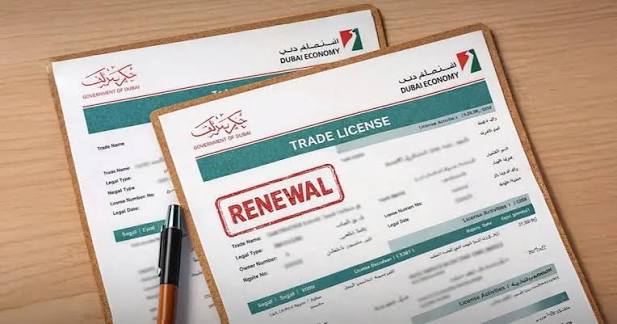
Renewing a business license is one of the most important responsibilities for companies operating in Jafza. Business owners must ensure that all legal, financial, and administrative requirements are fulfilled before beginning the renewal process.
Among these requirements, auditing plays a vital role. Financial audits help businesses maintain transparency, demonstrate compliance, and verify the accuracy of their financial records. They also allow authorities to confirm that companies are operating according to the applicable regulations.
Without proper auditing procedures, businesses may experience delays, face penalties, or encounter complications during license renewal. This guide explains why auditing is necessary and how companies can prepare effectively.
Maintaining Compliance With Regulatory Requirements
Compliance is the foundation of every successful organization. Many businesses work with a professional business management consultant in Dubai to understand regulatory obligations and strengthen their financial management practices.
Regular audits help companies:
- Verify financial transactions
- Maintain accurate accounting records
- Identify reporting errors
- Strengthen internal controls
- Improve transparency
These measures help businesses meet the requirements associated with renewing their licenses.
Strengthening Financial Transparency
Many organizations also rely on a reliable business management consultant in Dubai to improve record-keeping procedures and establish stronger financial systems.
Financial transparency helps authorities, investors, and business partners evaluate a company’s performance accurately.
Several important advantages include:
- Greater accountability
- Improved financial reporting
- Increased investor confidence
- Better operational efficiency
- Reduced financial risks
These benefits contribute directly to long term business stability.
Identifying Errors and Reducing Risks
Every business faces financial risks. Accounting errors, missing documents, and inaccurate reports can create significant challenges during the renewal process.
Audits help companies identify:
- Incomplete records
- Calculation mistakes
- Compliance concerns
- Cash flow issues
- Internal control weaknesses
Early identification allows businesses to address these problems before they become more serious.
Supporting Better Decision Making
Financial audits provide valuable information that management teams can use when making important business decisions.
Auditing procedures often improve:
- Budget planning
- Expense management
- Investment strategies
- Financial forecasting
- Operational efficiency
Reliable financial information creates a stronger foundation for future growth.
Preparing Documentation for License Renewal
Businesses should begin preparing documents well before the renewal deadline.
Commonly required records include:
- Financial statements
- Audit reports
- Trade license information
- Bank statements
- Tax records
- Shareholder documents
Maintaining organized records can significantly reduce processing delays.
Helpful Tips for a Successful Audit
Businesses can simplify the auditing process by following a few practical recommendations.
Keep records organized
Well-structured documentation improves efficiency and accuracy.
Review accounts regularly
Frequent reviews help identify problems quickly.
Use accounting software
Technology helps automate calculations and reduce errors.
Monitor compliance requirements
Understanding regulations helps businesses avoid penalties.
Seek professional assistance
Expert guidance often simplifies complex procedures.
Common Mistakes Businesses Should Avoid
Many companies encounter difficulties because of preventable mistakes.
Some of the most common problems include:
- Missing important deadlines
- Maintaining incomplete records
- Ignoring financial discrepancies
- Failing to monitor regulatory changes
- Delaying the auditing process
Avoiding these challenges can improve the overall renewal experience.
Frequently Asked Questions
Why are audits necessary for license renewal?
Audits verify financial information, improve transparency, and help businesses satisfy regulatory requirements.
How often should companies conduct financial audits?
Many organizations perform annual audits to maintain compliance and monitor financial performance.
What documents are required during the auditing process?
Businesses typically prepare financial statements, transaction records, bank statements, and supporting documents.
Can auditing help reduce financial risks?
Yes. Audits often identify errors and strengthen internal controls before problems become more serious.
Why should companies begin preparing early?
Early preparation provides sufficient time to organize records and address any concerns.
Final Words
Auditing is an essential part of maintaining compliance and ensuring a smooth license renewal process in Jafza. Accurate financial reporting, organized documentation, and effective internal controls help businesses meet regulatory requirements while strengthening operational efficiency.
By treating audits as an ongoing process rather than a yearly obligation, companies can create stronger financial systems and establish a solid foundation for future growth.