You come out to your car after a long day and notice it. A dent right on the door panel. Maybe from a car park, a stray trolley, or a small bump you didn’t even feel. It’s not catastrophic, but it bothers you every time you see it. Here’s the question most car owners ask: Does getting proper car repair actually make a visible difference in how well a dent is fixed? The answer is yes and the reasons why are worth understanding before you book any work.
Why Professional Car Repair Produces Better Results
It Starts With a Proper Assessment
The first thing a trained technician does before touching your vehicle is assess the damage carefully. They look at the depth of the dent, whether the paint is cracked, the location on the panel, and whether the metal has creased. Insurance approved car body repairs are carried out following strict assessment standards, which means the diagnostic process is thorough, documented, and done with the right equipment. This level of care directly affects the quality of the dent removal outcome.
The Tools Are Built for Precision
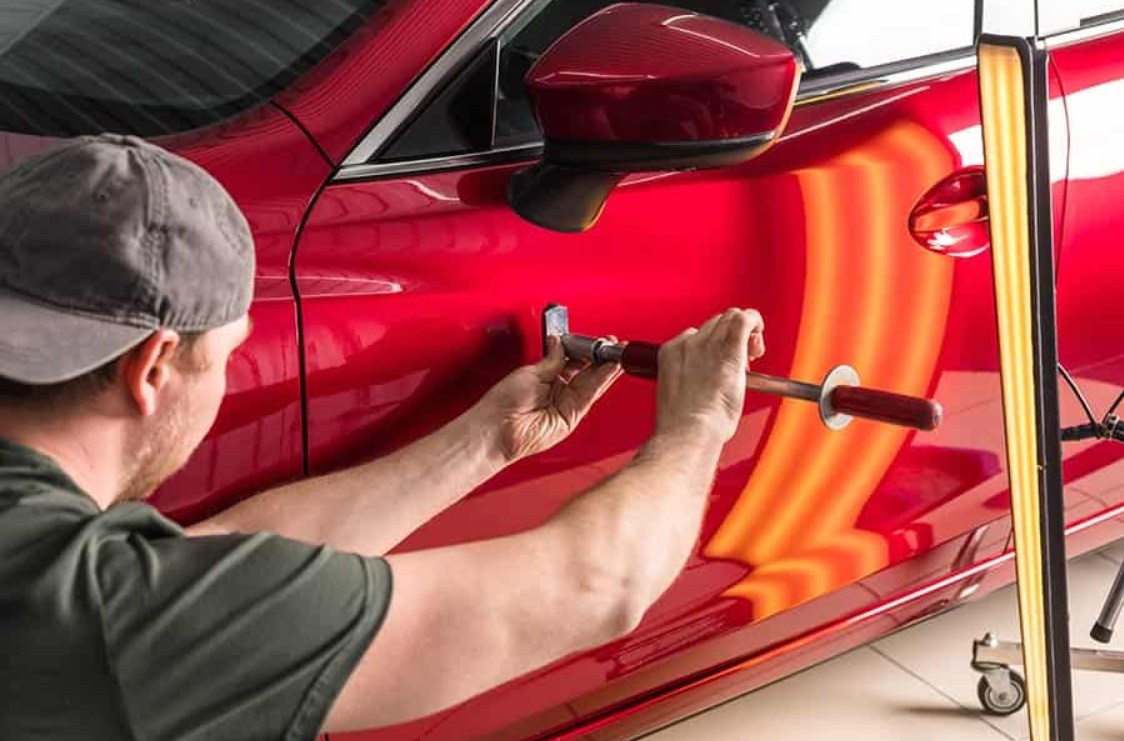
Modern body shops use specialist tools that most people have never seen. Technicians working on dent removal use rods, picks, and various shaped instruments designed to reach behind panels and apply measured pressure from the inside. According to research covered by Piedmont Dent Repair, precision tools combined with advanced LED lighting systems allow technicians to see fine surface details and guide repairs with a level of accuracy that is simply not possible with general tools. The lighting reveals high spots and low spots in the metal that are invisible to the naked eye under normal conditions.
Paintless Dent Repair vs Traditional Body Work
When PDR Is the Right Call
Paintless Dent Repair, commonly known as PDR, is now the go-to method for minor to moderate dents where the paint has not been broken. The technique involves carefully massaging the metal back into its original position from behind the panel without the need for fillers or repainting. The benefits are real. PDR is typically 50 to 70 percent cheaper than traditional body work. Repairs are often completed within hours. And because no repainting is involved, the vehicle retains its original factory finish which matters more than many people realise.
When Traditional Car Repair Is Necessary
PDR is not a solution for every dent. If the paint has cracked, if there is a sharp crease in the metal, or if the dent is located near a structural reinforcement, traditional car body repair is the right path. Traditional repair involves sanding the damaged area, applying body filler, allowing it to cure, and then repainting to match the vehicle’s colour. It takes longer and costs more, but for severe damage, it is the only method that properly restores the panel.
How Repair Quality Affects Your Car’s Value
This is where things get very practical. Research from Kelley Blue Book estimates that cosmetic damage such as visible dents and scratches can reduce a car’s resale value by 10 to 15 percent depending on severity. That figure adds up fast on any moderately priced vehicle. Studies also confirm that visual condition is consistently ranked among the top three factors buyers consider when evaluating a used car often above mechanical records during initial viewing. Dealers know this too. When assessing trade-in value, dealerships routinely reduce offers by 10 to 15 percent for vehicles with visible dents.
What Delays in Car Repair Actually Cost You
Putting off a dent repair might seem harmless. But even a small chip in the paint around a dent can let moisture in, and once rust starts forming underneath, the cost of repair escalates quickly. What starts as a straightforward 150 to 200 pound fix can turn into a 2,000 pound structural repair if rust takes hold in the panel. Professional car repair done promptly stops that chain of events before it begins. This is also why many experienced car owners treat dent repair as maintenance rather than a cosmetic luxury. A small investment now avoids a large one later.
Choosing the Right Body Shop
Not every body shop delivers the same standard of work. When looking for quality car repair, there are a few things worth checking.
Look for Certification and Equipment
A reputable body shop will have technicians trained in both PDR and traditional methods. Ask about their tools and whether they use digital imaging or specialist lighting during assessments.
Ask About Recycling and Paint Matching
For traditional repairs, paint matching technology has improved significantly. Computerised colour matching systems now produce results far closer to the original than manual matching ever could.
Check Reviews and Before-and-After Work
Word of mouth and photo evidence of previous work tells you more than any advertising claim. A shop confident in its quality will have no issue showing you finished examples.
Final Words
Car body repair has come a long way. The tools are more precise, the techniques are more refined, and the understanding of how different damage types should be treated has never been better. Whether you need PDR for a clean door ding or full traditional car repair for more serious damage, the quality of the work you get comes down to the people doing it and the process they follow. Fixing dents properly protects your vehicle’s appearance, its structural health, and its long-term value. Leaving them does the opposite.
Visit Blogging Webs for more informative blogs.