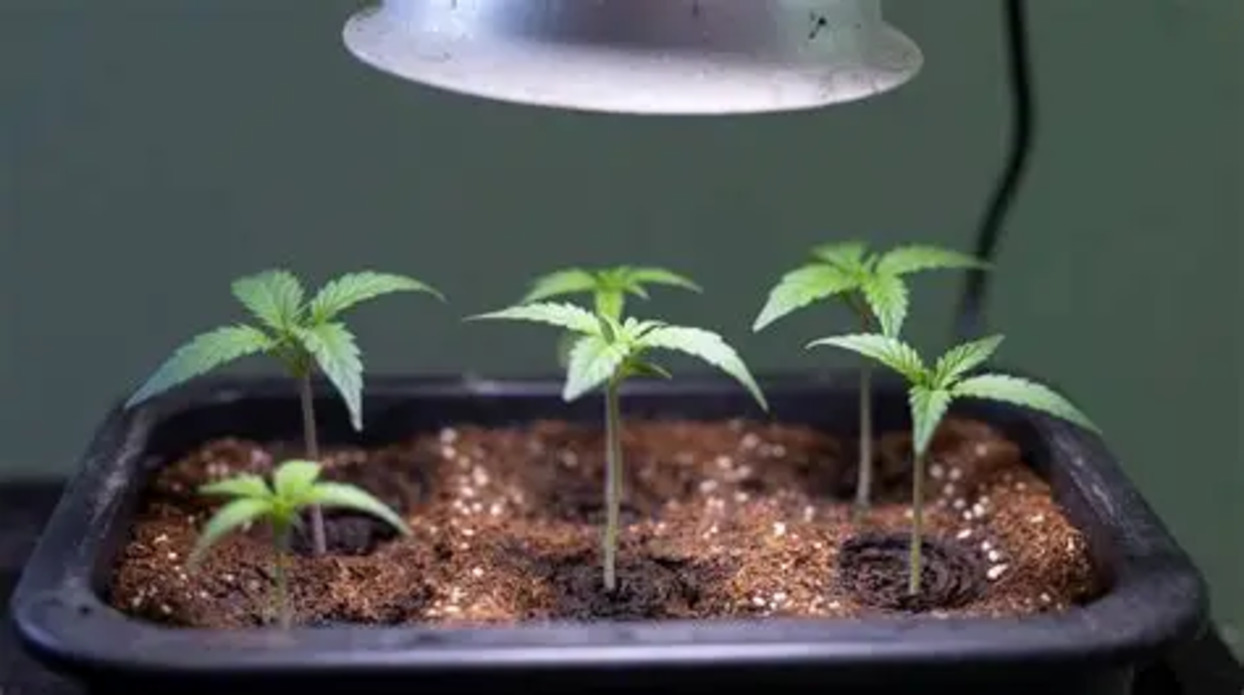
Growing plants from seed is one of the most rewarding aspects of gardening. Whether you are cultivating vegetables, herbs, or flowers, direct sowing seeds outdoors can provide strong, healthy plants that adapt naturally to their environment. However, one factor that often determines success or failure is planting depth. Even high-quality seeds may struggle to germinate if they are placed too deep or too close to the soil surface. Understanding the proper depth for direct seed planting is essential for optimizing germination and ensuring vigorous growth.
Understanding Direct Seed Planting
Direct sowing refers to planting seeds directly into garden soil instead of starting them indoors and transplanting them later. Many crops, such as carrots, beans, radishes, and corn, thrive when planted this way because their roots develop without disturbance.
Direct sowing offers several benefits, including:
Reduced transplant shock.
Lower costs compared to purchasing seedlings.
Stronger root systems.
Simpler and more natural cultivation methods.
Greater adaptability to local growing conditions.
However, successful direct sowing depends heavily on soil preparation, moisture, temperature, and especially seed depth.
Why Planting Depth Matters
Seeds contain stored energy that supports early growth until the seedling reaches sunlight. If a seed is buried too deeply, it may exhaust its energy reserves before emerging from the soil. Conversely, seeds planted too shallow may dry out quickly or become vulnerable to birds, insects, and environmental stress.
Correct planting depth helps:
Promote faster germination.
Maintain adequate moisture around the seed.
Protect seeds from temperature fluctuations.
Encourage healthy root development.
Improve overall seedling survival.
Proper depth creates the ideal environment for seeds to sprout and establish themselves successfully.
The General Rule for Seed Depth
A widely accepted guideline is to plant seeds at a depth equal to two to three times their diameter. Larger seeds contain more energy and can emerge from deeper soil layers, while smaller seeds require shallow planting.
Examples include:
Large Seeds
Beans, peas, pumpkins, and corn generally perform well when planted about 1 to 2 inches deep. Their larger size provides enough energy to support emergence through thicker soil layers.
Medium-Sized Seeds
Beets, cucumbers, and spinach typically require a depth of approximately ½ to 1 inch.
Tiny Seeds
Lettuce, carrots, basil, and many flower varieties need very shallow planting. Some extremely small seeds should simply be pressed into the soil surface without being covered, as they require light for germination.
Always consult seed packet instructions since recommendations may vary among species and varieties.
Soil Conditions Affect Planting Depth
The texture and composition of your soil influence how deeply seeds should be planted.
Sandy Soil
Sandy soils drain quickly and dry out faster. Seeds can often be planted slightly deeper to maintain moisture around them.
Clay Soil
Clay retains water but tends to compact easily. Planting too deeply in heavy clay can prevent seedlings from emerging. Slightly shallower sowing is usually recommended.
Loamy Soil
Loamy soil offers the ideal balance of drainage, moisture retention, and aeration. Standard planting depths generally work well in these conditions.
Improving soil with compost and organic matter can create a better environment for germination regardless of soil type.
Preparing the Garden Bed
Before planting, proper soil preparation can significantly improve germination rates.
Remove Debris
Clear weeds, rocks, and old plant material from the planting area to reduce competition and provide a clean growing environment.
Loosen the Soil
Use a rake or garden fork to break up compacted soil. Loose soil allows roots to penetrate more easily and helps maintain adequate airflow.
Add Organic Matter
Compost improves soil fertility and structure while increasing moisture retention.
Level the Surface
A smooth seedbed ensures even planting depth and consistent moisture distribution.
Good preparation provides seeds with the conditions they need to establish healthy root systems.
Maintaining Moisture During Germination
Consistent moisture is essential after sowing. Seeds absorb water to activate the germination process. If the soil dries out before roots develop, germination may fail.
To maintain moisture:
Water gently to avoid washing seeds away.
Use fine mist watering for delicate seeds.
Apply a light mulch layer after seedlings emerge.
Avoid overwatering, which can cause rot and fungal diseases.
Balanced moisture supports healthy development without creating excessively wet conditions.
Common Planting Depth Mistakes
Planting Too Deep
Deep planting can delay germination or prevent emergence entirely. Seedlings may become weak or die before reaching sunlight.
Planting Too Shallow
Seeds near the surface may dry out quickly and become exposed to birds or heavy rain.
Ignoring Seed Packet Instructions
Different plants have unique requirements. Following package recommendations improves success rates.
Uneven Depth
Inconsistent planting depth often results in uneven germination and irregular growth. Using a ruler or planting tool can help maintain consistency.
Avoiding these common mistakes increases the likelihood of producing strong, uniform seedlings.
Environmental Factors to Consider
Several external factors influence direct seed germination:
Soil Temperature
Warm-season crops such as beans and cucumbers require warmer soil, while cool-season vegetables like lettuce and peas germinate in cooler conditions.
Sunlight
Some seeds require light exposure to germinate and should not be buried deeply.
Rainfall
Heavy rain may compact soil or wash away shallow seeds. Protective coverings can help preserve seed placement.
Wind
Strong winds can dry out the soil surface quickly, making regular moisture monitoring essential.
By accounting for environmental conditions, gardeners can improve germination success and seedling establishment.
Conclusion
Optimizing germination begins with understanding the importance of correct planting depth. Although seed size provides a useful guideline, soil type, moisture levels, and environmental conditions all play critical roles in successful direct sowing. Planting seeds too deep or too shallow can hinder emergence and reduce overall productivity.
Belirangkalisari: By preparing the soil properly, following seed-specific recommendations, and maintaining consistent moisture, gardeners can create ideal conditions for healthy growth. Whether growing vegetables, herbs, or ornamental flowers, mastering the correct depth for direct seed planting outdoors is a simple yet powerful technique that leads to stronger plants and more productive gardens.