
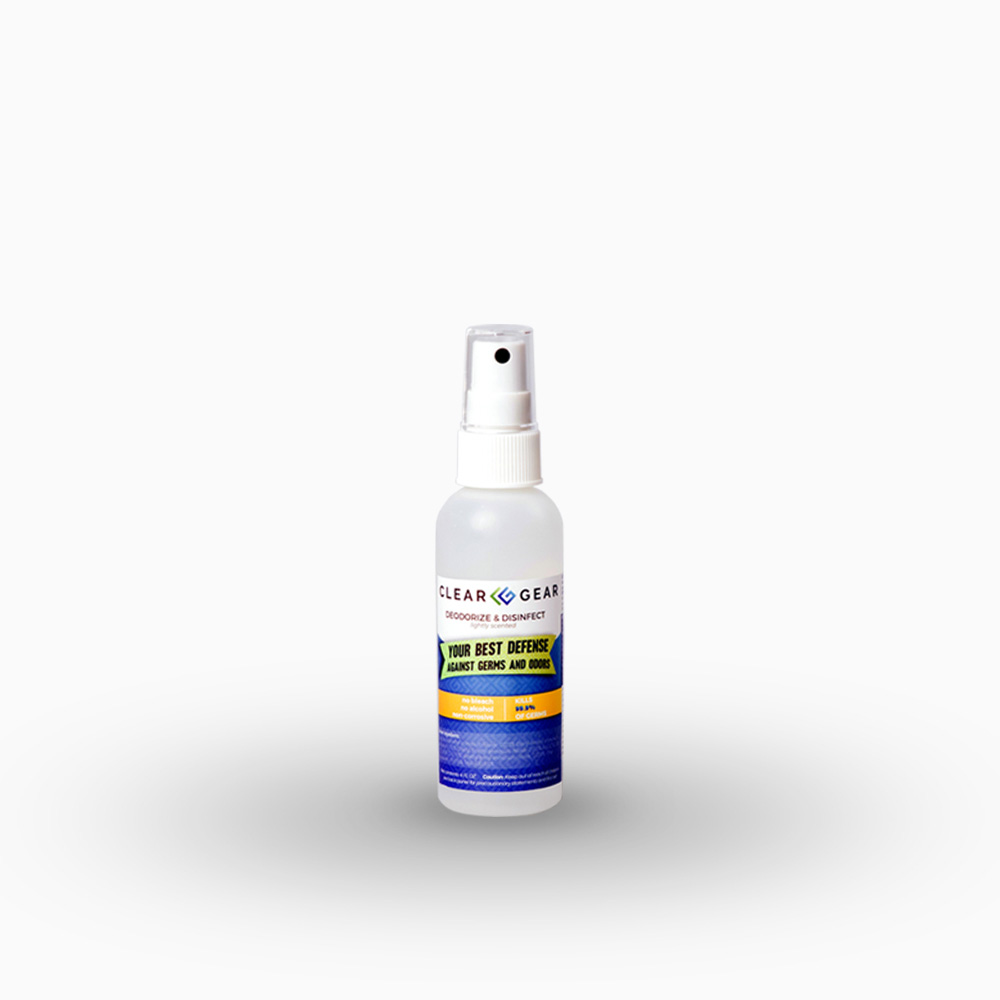
Disinfection routines break down more often at the application stage than anywhere else. A solution that gets sprayed unevenly, misses the surfaces bacteria actually settle into, or never stays wet long enough to complete its work leaves behind exactly the kind of risk it was supposed to eliminate. That breakdown rarely comes from a bad formula. More often, it comes from not thinking carefully enough about how that formula gets delivered in the first place.
For athletes managing personal gear after every practice, parents cleaning helmets and pads before the next game, or facility managers running cleaning protocols across dozens of shared surfaces daily, the delivery tool matters as much as the solution inside it. A poorly chosen Clear Spray Bottle wastes product, creates inconsistent coverage, and turns what should be a reliable routine into one that only looks like it is working. Getting this choice right is where a genuinely effective disinfection habit begins.
Why Bottle Design Has a Direct Impact on Disinfection Effectiveness
Most people evaluate a Disinfecting Spray by reading the label and never stop to consider whether the bottle delivering it is doing its part. Coverage depends on more than how much solution is used. It depends on how accurately and consistently that solution reaches every surface that needs treatment. Design details that seem minor upfront create real gaps in protection over time.
How Spray Coverage Determines Whether the Right Surfaces Get Treated
Not every disinfection job looks the same. A wrestling mat and the interior lining of a football helmet present completely different coverage challenges, and a Clear Spray Bottle that handles one well may not handle the other at all.
- Broad surfaces like mats and benches need even, consistent coverage without pooling.
- Recessed surfaces like helmet interiors and pad seams need targeted, directed application.
- Equipment bags and uniform storage areas need thorough treatment on all interior surfaces.
- Shared gym equipment needs full surface contact on every handle, grip, and seat.
Inconsistent coverage does not just reduce effectiveness in the moment. It creates surfaces that appear treated but are not, which builds a false confidence in a routine that is quietly falling short.
Understanding Contact Time and Why It Shapes Every Application
The surface needs to remain visibly wet for a full ten minutes for disinfection to be complete. That single requirement shapes every application decision, from how much product gets used to how thoroughly the bottle delivers it across a surface. Rushing past this step is the most common reason a cleaning routine looks thorough but leaves bacteria behind.
How Fill Visibility Supports Consistency Across Every Session
Running out of solution halfway through a cleaning routine does not just create inconvenience. A nearly empty bottle produces weaker, uneven output that leaves surfaces under-treated while appearing clean.
Being able to see the fill level before starting means the routine never begins with a compromised bottle. That single advantage is the practical reason visibility is a standard feature in professional facility cleaning environments, not a cosmetic one.
What Goes Inside a Clear Spray Bottle Matters as Much as the Bottle Itself
The right bottle paired with the wrong solution is a routine that offers the appearance of protection without delivering it. A Disinfecting Spray needs to eliminate pathogens reliably, remove odor at the source, and leave no residue that degrades equipment over repeated use. These are not interchangeable qualities, and not every product on the market meets all three simultaneously.
EPA Registration Is a Verified Standard, Not a Label Claim
EPA registration means independent testing against specific pathogens has been completed and confirmed. For anyone selecting a product for regular use around athletes, children, or clients, that verification is the meaningful difference between a product that claims to protect and one that has demonstrated it does through independent testing.
Bleach-Free Does Not Mean a Compromise on Effectiveness
Bleach-based formulas corrode foam padding, fabric, and equipment hardware with repeated use. A bleach-free and alcohol-free formula built on the right active ingredients matches bleach in pathogen elimination while remaining safe on the hard, non-porous surfaces athletes and facility managers need to treat daily without worrying about long-term equipment damage.
Hospital-Grade Standards Apply Beyond Medical Settings
Gyms, studios, locker rooms, and schools deal with the same pathogens that hospital-grade testing accounts for, including MRSA, staph, salmonella, E. coli, hepatitis B and C, and influenza. A formula verified to those standards brings that level of protection into everyday athletic and facility environments where high-contact surfaces create the same transmission risks.
Odor Elimination Signals Whether Disinfection Is Actually Working
Persistent odor in sports gear is almost always bacterial. A formula that targets odor-causing bacteria directly removes the smell because it removes what is generating it. That is a meaningfully different outcome from a scented spray that masks the problem until the next practice session.
Building a Routine Around the Right Tools
A disinfection routine that is difficult to execute gets skipped. One that is straightforward gets followed every time. Matching the right bottle size to the setting, understanding contact time requirements, and choosing a formula that is proven against the specific pathogens athletes and facility users face daily creates a setup that holds up consistently without requiring extra effort to maintain.
The right Clear Spray Bottle does not just store a solution. It determines how reliably that solution reaches every surface, stays on long enough to work, and gets used consistently enough to matter. Those three factors combined are what separate a disinfection routine that protects people from one that simply appears to.
Conclusion
Protection starts with the right formula and the right bottle to deliver it. For athletes, parents, gym owners, and facility managers serious about keeping shared spaces and personal gear genuinely clean, a Disinfecting Spray that is EPA-registered, bleach-free, alcohol-free, and proven against pathogens like MRSA, staph, and influenza is not an upgrade on the standard. It is the standard. Pairing it with the right bottle ensures that the standard gets met every single time.