The question itself signals something important.
Patients who ask whether thread lifts in Melbourne are worth it are not looking for a brochure. They have already read the clinic websites. They want a frank clinical answer — what does the evidence show, who genuinely benefits, and where does the procedure fall short.
This assessment covers all three.
What the Clinical Evidence Actually Shows
Thread lifts work. The evidence supports that clearly.
A 2022 retrospective review of PDO thread lifting procedures found that 87% of patients reported satisfactory results over a 24-month period. A separate peer-reviewed analysis found satisfaction rates above 86% with modern absorbable PDO threads — considerably higher than older non-absorbable systems, which were pulled from the market due to high complication rates.
But there is a pattern worth noting in that data.
Satisfaction was consistently highest among patients seeking subtle, natural improvement — not a dramatic transformation. Patients who expected a surgical-equivalent result were far less satisfied. The procedure the evidence supports is not always the procedure the marketing describes.
Three Things That Determine Whether It Is Worth It
1. Thread Material
Not all threads are the same, and the material directly affects how long your results last.
PDO threads dissolve within four to six months and produce a moderate collagen response. They are the most widely used material in Australian cosmetic practice and have the longest safety record.
PLLA threads take up to 18 months to resorb and trigger a stronger biological response. Studies show sustained patient satisfaction at 18 months — driven by ongoing collagen synthesis, not just the initial mechanical lift.
PCL threads dissolve slowest of all, up to 24 months, and suit patients who want maximum intervals between treatments.
A clinic that offers one thread type to every patient is not tailoring to your anatomy. That distinction matters when the tissue being treated is yours.
2. Practitioner Skill
The planning session before treatment — conducted with the patient upright so gravity accurately reflects daily anatomy — is where the result is largely decided.
Lift vector, anchoring technique, and tissue handling all trace back to the practitioner. Rushed or inadequate marking produces a compromised outcome regardless of thread quality. This is the variable most patients underestimate when comparing clinics on price.
3. Patient Selection
This is where most disappointment originates — and where most clinics stay quiet.
Thread lifts consistently deliver for patients with mild to moderate tissue laxity, good skin thickness, and adequate collagen response capacity. Patients in their late 30s to mid-50s with early jowling or mid-face descent sit squarely in that profile.
Outside it, results are unreliable. Significant volume depletion, very thin or sun-damaged skin, and advanced facial descent are not thread lift problems. Volume loss responds to fillers. Advanced laxity responds to surgery. Attempting to address either with threads alone sets the patient up for an underwhelming outcome — and an unfair judgment of the procedure.
The Honest Limitations
Thread lifts are temporary.
PDO results typically last 12 to 18 months. PLLA and PCL can extend to 24 months in patients with a strong collagen response. The correction fades as the suture dissolves and natural ageing continues. Patients who treat this as a maintenance procedure rather than a one-time fix consistently report better long-term satisfaction.
Thread lifts cannot replace lost volume.
Hollowing in the cheeks, under-eye troughs, and temple deflation are volume problems — not laxity problems. Lifting deflated tissue produces a pulled, unnatural appearance. Patients presenting with both laxity and volume loss need a combined approach: threads and fillers planned together, not threads alone.
Thread lifts carry procedural risks.
Bruising, swelling, and mild surface puckering in the first week are normal and transient. More significant complications — thread migration, asymmetry, infection — are uncommon with experienced practitioners using TGA-listed devices, but they are not zero.
In Victoria, AHPRA registration and TGA-compliant devices are the baseline standard. Confirm both before booking. Any reputable South Melbourne or CBD clinic will answer that question without hesitation.
Where Thread Lifts Deliver Real Value
Used correctly, thread lifts occupy a clinical space that no other non-surgical procedure fills.
They provide structural tissue repositioning — something dermal fillers cannot achieve and that patients with early-stage laxity do not yet need surgery for. For a patient in their early 40s noticing jowl descent or mid-face flattening, a well-executed thread lift with the right material and a maintenance plan delivers genuine, evidence-supported value.
The procedure also works well in combination. Patients who address laxity with threads and volume loss with fillers — in a planned, staged programme — consistently report better outcomes than those pursuing either treatment alone.
Assessing the whole face before selecting a single tool is where experienced practitioners add the most clinical value. It is also the clearest sign that a clinic is working in your interest, not filling an appointment slot.
So, Are Thread Lifts Worth It in Melbourne?
For the right patient, with the right practitioner, and realistic expectations — yes.
The clinical evidence supports that. So does the patient satisfaction data from modern absorbable thread systems.
For patients seeking surgical-level correction, for those dealing primarily with volume loss, or for anyone sitting in a consultation that skips tissue assessment and moves straight to a treatment plan — the answer is more complicated.
Thread lifts in Melbourne vary considerably in quality. The gap between a well-executed procedure at a reputable clinic and a rushed treatment at a discount price is not cosmetic. It is clinical.
Find Out Whether Thread Lifts Are Right for You
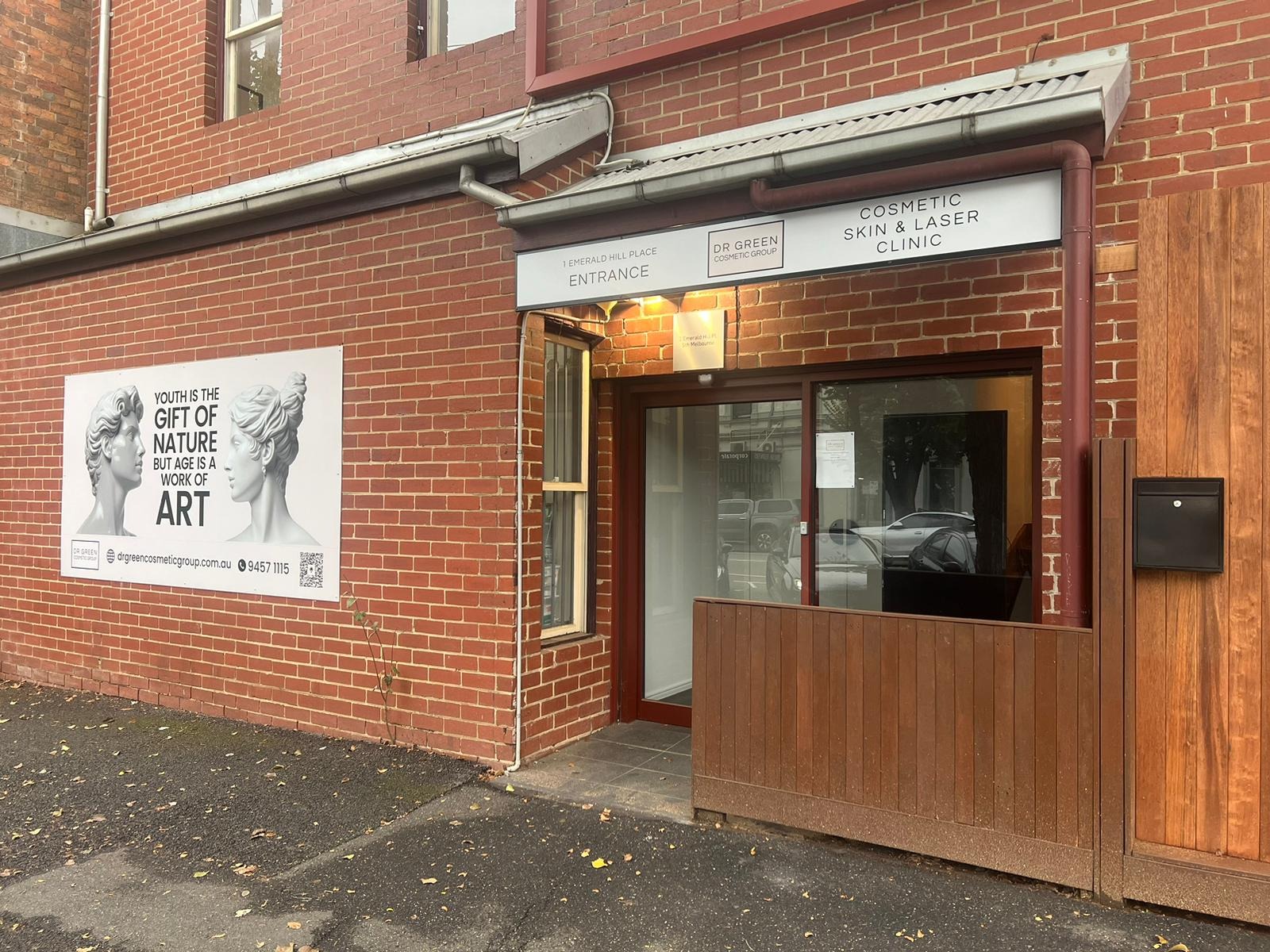
Dr. Green Cosmetic Group has provided advanced non-surgical facial treatments from our South Melbourne clinic for over 20 years.
A consultation here begins with an honest assessment of your anatom not a treatment menu. If thread lifts are the right answer for your clinical picture, we will tell you exactly why. If a different approach would serve you better, that is what you will hear.