Parkinson’s disease is a progressive neurological condition that affects movement, balance, and overall quality of life. While there is currently no cure, significant advances in treatment options have helped patients manage symptoms more effectively than ever before. Two of the most common treatment approaches are medication and Deep Brain Stimulation (DBS). Choosing between these options can be challenging, especially as the disease progresses and symptoms become more difficult to control.
Patients and families often seek reliable information to understand which treatment may offer the best outcomes. Through trusted healthcare guidance platforms such as Mycure Pathway, individuals can access expert support, treatment information, and specialised care pathways designed to help them make informed decisions. This article explores the differences between medication and DBS, helping patients understand when each option may be appropriate.
Understanding Parkinson’s Disease Treatment Options
Parkinson’s disease occurs when nerve cells in the brain gradually lose their ability to produce dopamine, a chemical responsible for controlling movement. As dopamine levels decrease, symptoms such as tremors, stiffness, slowed movements, and balance difficulties become more noticeable.
Treatment typically focuses on symptom management and maintaining independence for as long as possible. The primary approaches include:
- Medications that help replace or mimic dopamine
- Surgical interventions such as DBS
- Physical therapy and rehabilitation
- Lifestyle modifications and supportive care
The choice of treatment often depends on the severity of symptoms, age, overall health, and individual treatment goals.
How Parkinson’s Medication Works
For many patients, Parkinson’s medication is the first line of treatment following diagnosis. These medications help increase dopamine activity in the brain or improve the body’s ability to utilise existing dopamine more effectively.
Common medications include levodopa, dopamine agonists, and enzyme inhibitors. These treatments can significantly improve motor symptoms, particularly during the early and middle stages of the disease.
Benefits of Medication Therapy
Medication offers several advantages for Parkinson’s patients:
- Non-surgical treatment option
- Effective symptom control in early stages
- Widely available and clinically proven
- Adjustable dosages based on patient needs
Many patients experience noticeable improvements in movement, mobility, and daily functioning shortly after beginning treatment.
Limitations of Long-Term Medication Use
While medications are highly effective initially, their benefits may decline over time. Patients may begin experiencing fluctuations in symptom control, commonly known as “on-off” periods. Some individuals also develop involuntary movements called dyskinesias after years of treatment.
As Parkinson’s disease progresses, increasing medication doses may not always provide consistent symptom relief, leading physicians to consider alternative treatment options.
What Is Deep Brain Stimulation?
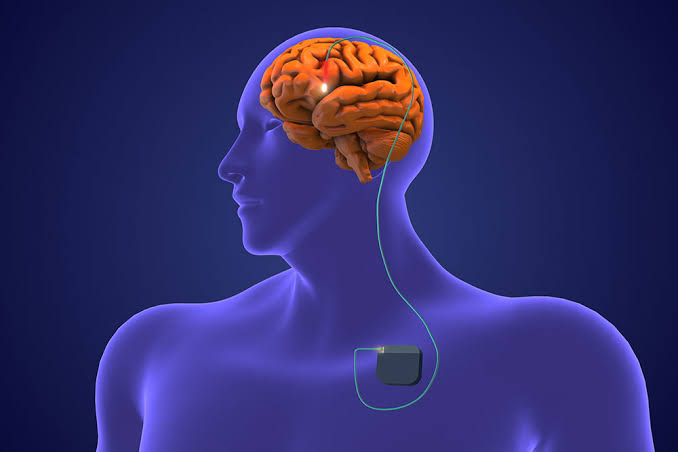
Deep Brain Stimulation is an advanced surgical procedure designed to help control Parkinson’s symptoms when medications alone are no longer sufficient. During the procedure, thin electrodes are implanted into specific areas of the brain. These electrodes deliver controlled electrical impulses that regulate abnormal brain activity associated with Parkinson’s disease.
The system includes a pulse generator implanted under the skin, typically near the chest. The device continuously sends electrical signals to targeted brain regions, helping improve motor control and reduce symptom fluctuations.
Patients researching Deep Brain Stimulation in India often discover that the country has become a leading destination for advanced neurological procedures, offering world-class expertise and modern treatment facilities.
Who Is a Candidate for DBS?
Not every Parkinson’s patient requires DBS. Neurologists and movement disorder specialists carefully evaluate candidates based on several factors:
- Diagnosis of Parkinson’s disease confirmed by specialists
- Significant motor fluctuations despite medication
- Good response to levodopa treatment
- Absence of severe cognitive impairment
- Overall suitability for surgery
Comprehensive evaluations are essential to determine whether DBS is likely to provide meaningful benefits.
Comparing Medication and DBS Effectiveness
The decision between medication and DBS is not always a matter of choosing one over the other. In many cases, DBS complements medication rather than replacing it entirely.
| Factor | Medication | DBS |
| Early-stage symptom control | Excellent | Usually not required |
| Long-term effectiveness | May decline over time | Often sustained for years |
| Surgical procedure required | No | Yes |
| Symptom fluctuations | Can increase with progression | Often reduced significantly |
| Medication dependence | High | Frequently reduced |
| Recovery period | Minimal | Surgical recovery required |
Research consistently shows positive DBS outcomes in appropriately selected patients. Many individuals experience improved motor function, reduced tremors, and fewer medication-related complications after the procedure.
Impact on Quality of Life
One of the most significant advantages of DBS is its ability to improve quality of life. Patients often report greater independence, improved mobility, and better participation in daily activities.
At the same time, medication remains highly valuable, particularly for newly diagnosed patients and those with mild symptoms. Treatment plans should always be tailored to individual circumstances rather than adopting a one-size-fits-all approach.
Key Benefits of Deep Brain Stimulation
As Parkinson’s disease advances, many patients seek treatment options that provide more stable symptom control. This is where the recognised DBS benefits become especially important.
Patients who undergo successful DBS treatment may experience:
- Reduced tremors and rigidity
- Improved movement control
- Decreased medication requirements
- Fewer “off” periods
- Better sleep quality
- Enhanced daily functioning
These improvements can significantly impact physical, emotional, and social well-being. Many patients find that DBS helps restore confidence and independence that may have been diminished by progressive symptoms.
The Role of Specialist Care
Successful DBS treatment requires a multidisciplinary team that includes neurologists, neurosurgeons, rehabilitation experts, and specialist nurses. Platforms such as Mycure Pathway help connect patients with experienced specialists and treatment centres that focus on complex neurological conditions.
Patients can also benefit from educational resources and support services available through Mycure Pathway and its academy initiatives, which help families better understand Parkinson’s disease management and treatment planning.
Choosing the Right Treatment Path
Selecting the most appropriate treatment requires careful evaluation of symptom severity, disease progression, lifestyle goals, and overall health. What works well for one patient may not be suitable for another.
When Medication May Be the Better Choice
Medication may remain the preferred option when:
- Symptoms are well controlled
- The disease is in its early stages
- Surgical risks outweigh potential benefits
- Patients prefer non-invasive treatment approaches
For many individuals, medications provide excellent symptom management for several years before more advanced interventions become necessary.
When DBS May Be the Better Choice
DBS may be considered when:
- Motor symptoms become increasingly difficult to manage
- Medication effectiveness fluctuates significantly
- Side effects from medications become problematic
- Daily activities are substantially affected
Patients exploring advanced Parkinson’s therapy options often discuss DBS with their healthcare providers after experiencing reduced benefits from conventional treatment strategies.
Mycure Pathway encourages patients to seek comprehensive evaluations from qualified specialists before making any treatment decisions. A personalised assessment ensures that each patient receives recommendations aligned with their unique medical needs.
The Importance of Personalised Treatment Planning
Parkinson’s disease affects every individual differently. Treatment decisions should never be based solely on general information or online research. Instead, patients benefit most when care plans are developed through collaboration with experienced neurological teams.
Modern movement disorder treatment approaches increasingly focus on personalised medicine, combining medications, surgical interventions, rehabilitation, and supportive therapies to achieve optimal outcomes. This integrated strategy allows healthcare professionals to address both motor and non-motor symptoms while maintaining the highest possible quality of life.
As treatment technologies continue to evolve, patients have access to more options than ever before. Whether medication, DBS, or a combination of both is recommended, early consultation with experienced specialists remains one of the most important factors influencing long-term success.
Final Thoughts
There is no universal answer to whether Deep Brain Stimulation or medication is better for Parkinson’s disease. Medication remains the cornerstone of treatment for many patients, particularly in the early stages of the condition. However, when symptoms become difficult to control or medication-related complications arise, DBS can offer substantial improvements in symptom management and quality of life.
The best treatment choice depends on individual medical circumstances, symptom progression, and treatment goals. Working closely with experienced healthcare professionals and trusted guidance platforms such as Mycure Pathway can help patients navigate their options with confidence and clarity.
FAQs
1. What is Deep Brain Stimulation?
Deep Brain Stimulation is a surgical procedure that uses implanted electrodes to deliver electrical impulses to specific brain regions, helping control Parkinson’s symptoms.
2. Is DBS a cure for Parkinson’s disease?
No. DBS does not cure Parkinson’s disease, but it can significantly improve symptom control and quality of life in suitable candidates.
3. Can patients stop taking medication after DBS?
Some patients reduce their medication dosage after DBS, but most continue taking certain medications as part of their treatment plan.
4. How long does DBS treatment remain effective?
Many patients experience lasting benefits for several years, although Parkinson’s disease continues to progress over time.
5. Is DBS safe?
When performed by experienced specialists, DBS is generally considered a safe and well-established procedure with proven clinical benefits.
6. How can patients learn more about treatment options?
Patients can consult neurologists, movement disorder specialists, and trusted healthcare guidance resources such as Mycure Pathway to explore suitable treatment options.