Skin pigmentation is a natural process that determines the color of our skin, hair, and eyes. It is primarily controlled by melanin, a pigment produced by specialized skin cells. While genetics play a major role in determining skin tone, everyday lifestyle choices can significantly influence how pigmentation develops, changes, or worsens over time. Many people experiencing uneven skin tone, dark spots, or discoloration often overlook the impact of daily habits on their skin health. Understanding these factors can help individuals maintain a brighter, healthier complexion and support the results of Skin Pigmentation Treatment in Islamabad when professional care is required.
Understanding Skin Pigmentation
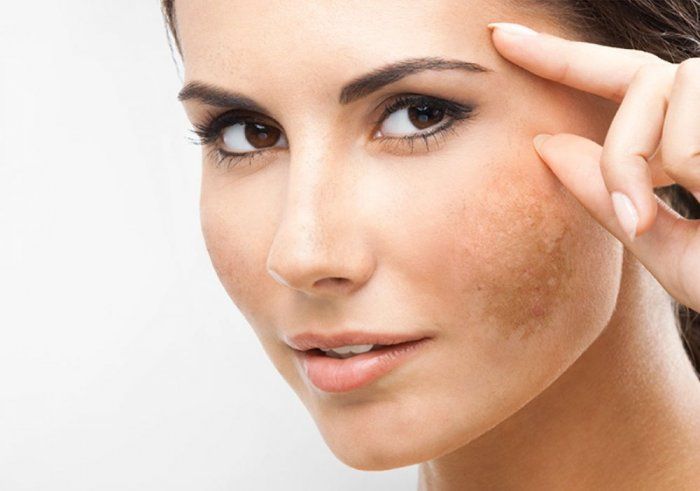
Pigmentation refers to the coloring of the skin caused by melanin production. When melanin is produced evenly, the skin appears smooth and balanced. However, excessive or uneven melanin production can lead to conditions such as hyperpigmentation, melasma, sunspots, and post-inflammatory pigmentation.
Lifestyle habits can either support healthy skin function or trigger pigmentation concerns. Small daily choices may gradually influence the appearance of dark patches and uneven skin tone.
The Impact of Sun Exposure
One of the most significant lifestyle factors affecting skin pigmentation is sun exposure. Ultraviolet (UV) rays stimulate melanin production as the skin attempts to protect itself from damage. While this response is natural, excessive exposure can cause pigmentation problems.
Frequent outdoor activities without proper sun protection may result in:
- Dark spots
- Uneven skin tone
- Melasma flare-ups
- Premature aging signs
Wearing sunscreen daily, seeking shade during peak sunlight hours, and using protective clothing can help reduce pigmentation risks and maintain a more even complexion.
How Diet Affects Skin Color and Pigmentation
Nutrition plays an important role in skin health. A balanced diet rich in vitamins, minerals, and antioxidants supports skin repair and protects against environmental damage.
Foods that may benefit pigmentation concerns include:
- Colorful fruits and vegetables
- Leafy greens
- Nuts and seeds
- Fatty fish rich in omega-3 fatty acids
- Foods containing vitamins C and E
On the other hand, diets high in processed foods, excessive sugar, and unhealthy fats may increase inflammation within the body, potentially contributing to skin issues that trigger pigmentation changes.
Sleep Quality and Skin Repair
Sleep is often called the body’s natural recovery period. During sleep, skin cells repair damage caused by environmental stressors and daily exposure to pollutants.
Insufficient sleep may lead to:
- Increased stress hormone levels
- Slower skin regeneration
- Dull complexion
- Greater susceptibility to inflammation
Over time, poor sleep habits can contribute to skin concerns that make pigmentation issues more noticeable. Prioritizing consistent, high-quality sleep can support healthier and more radiant skin.
Stress and Its Connection to Pigmentation
Chronic stress affects more than mental well-being; it can also influence skin health. Elevated stress levels may disrupt hormonal balance, leading to inflammation and triggering pigmentation disorders in susceptible individuals.
Stress-related pigmentation concerns are commonly associated with:
- Hormonal fluctuations
- Increased skin sensitivity
- Delayed healing after acne or irritation
- Worsening of existing pigmentation conditions
Stress management techniques such as regular exercise, meditation, deep breathing, and maintaining social connections can positively impact overall skin appearance.
Smoking and Pigmentation Changes
Smoking exposes the skin to harmful toxins that can damage collagen, reduce oxygen delivery, and accelerate skin aging. These effects often contribute to uneven skin tone and discoloration.
Individuals who smoke may experience:
- Dull-looking skin
- Increased dark patches
- Slower healing of skin injuries
- Greater oxidative stress
Avoiding tobacco products supports healthier skin function and may reduce factors that contribute to pigmentation irregularities.
The Role of Hydration
Proper hydration is essential for maintaining healthy skin. Water helps support skin elasticity, cellular function, and the removal of toxins from the body.
Dehydrated skin may appear:
- Dull and tired
- More prone to irritation
- Less capable of repairing itself effectively
Although hydration alone cannot eliminate pigmentation, it creates a healthier environment for skin renewal and recovery.
Skincare Habits That Influence Pigmentation
Daily skincare routines can significantly impact pigmentation outcomes. Harsh products, excessive exfoliation, or neglecting skin protection may trigger inflammation and worsen discoloration.
Helpful skincare practices include:
- Gentle cleansing
- Consistent sunscreen use
- Regular moisturization
- Avoiding aggressive scrubbing
- Using products suitable for individual skin types
Healthy skincare habits help preserve the skin barrier and minimize factors that contribute to uneven pigmentation.
Hormonal and Lifestyle Interactions
Lifestyle habits often interact with hormonal changes to influence pigmentation. Factors such as poor sleep, stress, unhealthy eating patterns, and limited physical activity can affect hormone regulation.
Hormonal fluctuations are commonly linked to pigmentation conditions such as melasma. Maintaining a balanced lifestyle may help support hormonal stability and reduce the likelihood of pigmentation becoming more prominent.
Physical Activity and Skin Health
Regular exercise improves circulation and helps deliver oxygen and nutrients to skin cells. Better blood flow supports natural skin repair processes and contributes to a healthier complexion.
Exercise may also help manage stress levels, improve sleep quality, and support overall wellness, all of which can positively influence skin pigmentation over time.
Building Long-Term Habits for Even-Toned Skin
Healthy skin is often the result of consistent daily choices rather than quick fixes. Protecting the skin from sun damage, eating nutritious foods, staying hydrated, managing stress, sleeping well, and following a gentle skincare routine can all contribute to maintaining a more balanced complexion.
People dealing with persistent pigmentation concerns often benefit from combining healthy lifestyle practices with professional guidance. Long-term commitment to skin health not only improves appearance but also helps support the effectiveness of Skin Pigmentation Treatment in Islamabad for individuals seeking clearer and more even-toned skin.
FAQs
Can lifestyle habits really cause skin pigmentation?
Yes, lifestyle habits such as excessive sun exposure, poor diet, chronic stress, smoking, and inadequate sleep can contribute to uneven melanin production and worsen pigmentation issues.
Does drinking more water remove pigmentation?
Drinking water does not directly remove pigmentation, but proper hydration supports healthy skin function and may improve the skin’s ability to repair itself.
Can stress make pigmentation worse?
Yes, chronic stress can trigger hormonal changes and inflammation, which may worsen certain pigmentation conditions, including melasma and post-inflammatory hyperpigmentation.
Which foods are good for reducing pigmentation?
Foods rich in antioxidants, vitamins C and E, omega-3 fatty acids, and other nutrients that support skin health may help protect the skin from damage that contributes to pigmentation.
Is sunscreen necessary even on cloudy days?
Yes, UV rays can penetrate clouds and continue to stimulate melanin production. Daily sunscreen use is one of the most important steps in preventing pigmentation from worsening.
How long does it take for lifestyle changes to improve pigmentation?
Results vary depending on the cause and severity of pigmentation. Consistent healthy habits may gradually improve skin appearance over several weeks or months.