Sweating is a natural process that helps regulate body temperature, but excessive sweating can become a daily struggle that affects confidence, comfort, and social interactions. From noticeable sweat stains on clothing to constantly damp hands and feet, hyperhidrosis can interfere with both personal and professional life. Many people continue to hide the condition instead of seeking solutions, unaware that Hyperhidrosis Treatment In Islamabad offers modern approaches that can help manage excessive sweating and improve overall quality of life. Understanding the causes, symptoms, and available treatment options is the first step toward lasting relief.
Understanding Hyperhidrosis
Hyperhidrosis is a condition characterized by sweating beyond what the body needs for temperature regulation. Unlike normal sweating caused by heat or exercise, hyperhidrosis may occur even when the environment is cool and the body is at rest.
The condition commonly affects the underarms, palms, soles of the feet, face, and scalp. In some cases, excessive sweating occurs in multiple areas simultaneously, making everyday tasks more challenging.
Why Constant Sweat Stains Should Never Be Ignored
Persistent sweat stains are more than a cosmetic concern. They can have a significant impact on emotional well-being and daily routines.
People with excessive sweating often experience embarrassment during meetings, social gatherings, interviews, or public speaking. Many avoid shaking hands or wearing certain colors because sweat marks become visible within minutes.
Ignoring the condition may also contribute to skin irritation, fungal infections, unpleasant body odor, and reduced self-confidence over time.
Common Causes of Excessive Sweating
Several factors can contribute to hyperhidrosis. Some individuals inherit the condition genetically, while others develop excessive sweating because of underlying health conditions.
Possible causes include:
- Overactive sweat glands
- Family history
- Hormonal fluctuations
- Stress and anxiety
- Certain medications
- Medical conditions affecting the nervous system
Identifying the underlying cause helps determine the most suitable treatment approach.
Signs That You May Need Treatment
Many people assume their sweating is normal until it starts disrupting daily life. Certain symptoms indicate that professional evaluation may be beneficial.
Common signs include:
- Sweat soaking through clothes without physical activity
- Frequently changing outfits due to sweat stains
- Difficulty holding pens, phones, or tools because of sweaty hands
- Slipping inside shoes because of sweaty feet
- Sweating during cold weather
- Emotional distress caused by excessive perspiration
If these symptoms occur regularly, they should not be overlooked.
Areas Most Commonly Affected
Hyperhidrosis can affect different parts of the body depending on the individual.
Underarms
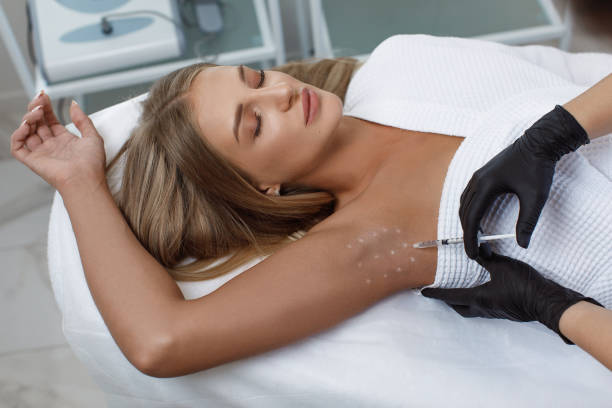
Underarm sweating is one of the most common forms of hyperhidrosis. It often causes visible clothing stains and limits wardrobe choices.
Hands
Sweaty palms can interfere with writing, typing, handshakes, and handling electronic devices.
Feet
Excessive sweating of the feet may lead to discomfort, unpleasant odor, and an increased risk of fungal infections.
Face and Scalp
Facial sweating can be especially frustrating because it is difficult to hide and often affects confidence during conversations or presentations.
How Hyperhidrosis Is Diagnosed
Diagnosis usually begins with discussing symptoms, medical history, and sweating patterns. The severity, location, and frequency of sweating help determine whether it is primary or secondary hyperhidrosis.
In some situations, additional tests may be recommended to rule out underlying medical conditions responsible for excessive sweating.
Modern Treatment Options
Advancements in medical care have made it possible to manage hyperhidrosis more effectively than ever before.
Treatment recommendations depend on the severity of symptoms, affected body areas, and individual lifestyle.
Available approaches may include:
- Prescription-strength topical solutions
- Oral medications
- Injectable treatments that temporarily reduce sweat production
- Medical devices designed to target sweat glands
- Other advanced non-surgical procedures
The most appropriate option varies from person to person after proper evaluation.
Lifestyle Changes That Help Reduce Sweat Stains
While medical treatment addresses the root problem, simple lifestyle adjustments can make everyday life more comfortable.
Helpful habits include:
- Wearing lightweight, breathable fabrics
- Choosing moisture-wicking clothing
- Using absorbent shoe inserts
- Keeping the affected areas clean and dry
- Staying hydrated throughout the day
- Managing stress through relaxation techniques
Although these strategies may not eliminate hyperhidrosis, they can reduce discomfort.
Emotional Effects of Hyperhidrosis
Living with constant sweating can affect mental health just as much as physical comfort.
Many individuals become self-conscious about their appearance and avoid situations where sweat may become noticeable. Some withdraw from social activities, hesitate to participate in sports, or feel anxious before important events.
Seeking treatment can improve confidence and reduce the emotional burden associated with excessive sweating.
Who Can Benefit from Treatment?
Hyperhidrosis treatment may be suitable for adults and teenagers experiencing excessive sweating that interferes with everyday life.
Individuals who frequently experience sweat stains despite using antiperspirants or changing clothing multiple times a day may find professional treatment beneficial.
An assessment helps determine the most appropriate solution based on personal needs and medical history.
Preventing Sweat Stains During Daily Activities
Although treatment provides longer-term management, practical steps can also reduce visible sweat marks.
Consider wearing darker colors during busy days, carrying an extra shirt when needed, applying suitable antiperspirants consistently, and selecting breathable footwear. Small adjustments can make a noticeable difference in daily comfort.
Looking Ahead with Confidence
Hyperhidrosis is a manageable condition, and no one should feel compelled to hide behind oversized clothing or avoid social situations because of constant sweating. Increased awareness and modern treatment options have made it easier than ever to regain confidence and enjoy everyday activities without the constant worry of visible sweat stains. If excessive sweating has become part of your daily routine, exploring Hyperhidrosis Treatment In Islamabad may help you move toward a more comfortable, confident, and active lifestyle.
FAQs
What is hyperhidrosis?
Hyperhidrosis is a medical condition that causes excessive sweating beyond what the body needs to regulate temperature. It can affect the underarms, hands, feet, face, or other areas.
What causes excessive sweating?
Hyperhidrosis may result from overactive sweat glands, genetics, hormonal changes, stress, certain medications, or underlying medical conditions.
Can hyperhidrosis affect daily life?
Yes. Excessive sweating can lead to visible sweat stains, discomfort, skin irritation, difficulty with everyday tasks, and reduced confidence in social or professional settings.
Which body areas are most commonly affected?
The condition most commonly affects the underarms, palms of the hands, soles of the feet, face, and scalp.
Is hyperhidrosis treatable?
Yes. Various modern treatment options are available to help reduce excessive sweating, depending on the severity and affected areas.
Can lifestyle changes reduce sweat stains?
Lifestyle adjustments such as wearing breathable fabrics, staying hydrated, using absorbent products, and managing stress can help minimize sweat stains and improve comfort.
When should someone seek treatment?
If sweating occurs without heat or exercise, interferes with daily activities, or causes emotional distress, it is a good idea to seek professional evaluation.
Is hyperhidrosis a lifelong condition?
For some individuals, hyperhidrosis can be long-term, but effective treatments are available to help control symptoms and improve quality of life.