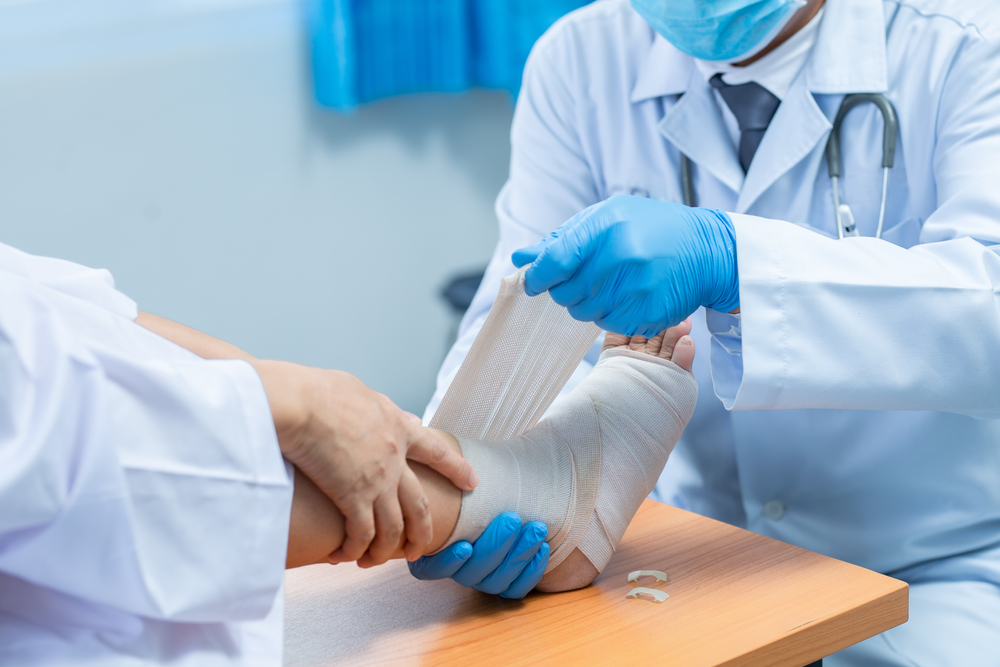
Chronic wound care Genesee MI is becoming a critical healthcare focus as more patients in Michigan deal with long-term wounds such as diabetic ulcers, pressure sores, and post-surgical complications. In the United States, the CDC estimates that around 6.5 million people suffer from chronic wounds each year, and many require extended treatment plans. These wounds are slow to heal and often require continuous medical attention to prevent infection and complications. The demand for structured care is increasing rapidly in both hospitals and home settings.
Chronic wound care Genesee MI is especially important because Genesee County has a growing elderly population and higher rates of diabetes compared to national averages. This increases the risk of long-term wound complications if not treated properly. In my observation of healthcare trends, delayed treatment is one of the biggest reasons wounds become chronic. This guide explains causes, treatments, and home-based strategies for better recovery outcomes.
Problem: Why chronic wounds become difficult to heal
Chronic wound care Genesee MI becomes necessary when normal healing processes fail due to conditions like diabetes, poor circulation, or prolonged pressure on the skin. Diabetic ulcers alone affect nearly 1.6 million Americans each year, and many cases progress into chronic conditions. Without proper care, these wounds can remain open for months or even years. This creates a high risk of infection and reduced quality of life.
This is where chronic wound management at home in michigan becomes an essential support system. Chronic wound care Genesee MI is often delayed because patients do not recognize early warning signs. Many individuals assume minor cuts or sores will heal naturally, but underlying health conditions prevent proper recovery. In rural and suburban Michigan, access to specialized care can also be limited. I have seen patients delay treatment until wounds become severe, requiring advanced intervention.
Agitation: What happens when chronic wounds are ignored
Chronic wound care Genesee MI becomes urgent when untreated wounds begin to worsen over time. In the United States, chronic wound treatment costs exceed $25 billion annually, with hospital readmissions being a major contributor. When wounds are ignored, they can develop infections that spread to deeper tissues or even bones. This significantly increases treatment complexity and recovery time.
Chronic wound care Genesee MI also affects emotional and physical well-being. Patients often experience pain, reduced mobility, and frustration due to slow healing. I have observed cases where diabetic patients required long-term antibiotics because early symptoms were ignored. These delays could have been avoided with timely care and monitoring. In many situations, chronic wound management at home in michigan could reduce complications through early intervention and consistent treatment.
Solution: Home-based chronic wound care approach
Chronic wound care Genesee MI can be effectively managed at home when proper medical guidance and structured care routines are followed. Home care includes wound cleaning, dressing changes, infection monitoring, and regular check-ins with healthcare providers. Studies in U.S. home healthcare systems show that consistent home wound care can improve healing rates by up to 30% compared to irregular clinic visits. This improvement is mainly due to better adherence and reduced delays.
Chronic wound care Genesee MI at home also helps patients avoid unnecessary hospital visits and reduces exposure to hospital-based infections. In my experience reviewing care models, patients often recover more comfortably in familiar environments. Families play a key role in maintaining hygiene and following care instructions. This is why chronic wound management at home in michigan has become an important part of modern healthcare strategies in the region.
Types of chronic wounds and treatment approaches
Chronic wound care Genesee MI commonly involves treating diabetic ulcers, pressure sores, venous ulcers, and surgical wounds that fail to heal. Each type requires a different treatment strategy based on severity and underlying health conditions. For example, diabetic ulcers require strict blood sugar control along with wound care, while pressure sores require frequent repositioning and pressure relief techniques.
Chronic wound care Genesee MI also includes advanced treatment methods such as specialized dressings, debridement, and infection control therapies. In U.S. healthcare systems, pressure injuries alone affect over 2.5 million patients annually. I have seen patients improve significantly when treatment plans are tailored to wound type and patient condition. Chronic wound management at home in michigan often focuses on combining medical treatment with daily care routines to ensure consistent healing progress.
Real-world case studies and healthcare outcomes
Chronic wound care Genesee MI has shown measurable improvements in patient outcomes when structured care plans are followed. A Midwest healthcare study found that patients receiving coordinated home wound care experienced 25–35% fewer hospital readmissions compared to those relying only on clinic visits. This demonstrates the importance of early intervention and consistent monitoring.
Chronic wound care Genesee MI also reduces healthcare costs by preventing complications that require surgery or extended hospitalization. In one Michigan case study, a diabetic patient avoided amputation due to early home-based wound management and regular monitoring. I have observed similar outcomes where chronic wound management at home in michigan played a key role in stabilizing patient conditions. These real-world examples highlight the importance of timely and structured care approaches.
Role of caregivers and home support systems
Chronic wound care Genesee MI relies heavily on caregiver involvement, especially for elderly or mobility-limited patients. Caregivers help with dressing changes, hygiene maintenance, and monitoring wound progress. Their role is essential in ensuring that treatment plans are followed consistently. Without caregiver support, many patients struggle to maintain proper wound care routines.
Chronic wound care Genesee MI becomes more effective when families are educated about wound care basics. Simple actions like keeping the wound clean, changing dressings on time, and monitoring for infection signs can make a big difference. I have seen families significantly improve patient outcomes by following structured home care instructions. This is where chronic wound management at home in michigan provides valuable guidance and support for caregivers.
Conclusion
Chronic wound care Genesee MI is a long-term healthcare process that requires consistency, medical support, and patient awareness. Without proper care, chronic wounds can lead to severe complications, but with structured treatment, healing outcomes improve significantly. The combination of medical guidance and home-based care is becoming the standard approach in modern wound management.
Chronic wound care Genesee MI continues to evolve as healthcare systems focus more on home-based treatment models and early intervention strategies. Programs supporting chronic wound management at home in michigan are helping patients recover faster while reducing hospital dependency. From my perspective, the most effective outcomes come from combining medical expertise with disciplined home care routines. Ultimately, early action and consistent care remain the key factors in successful chronic wound recovery.