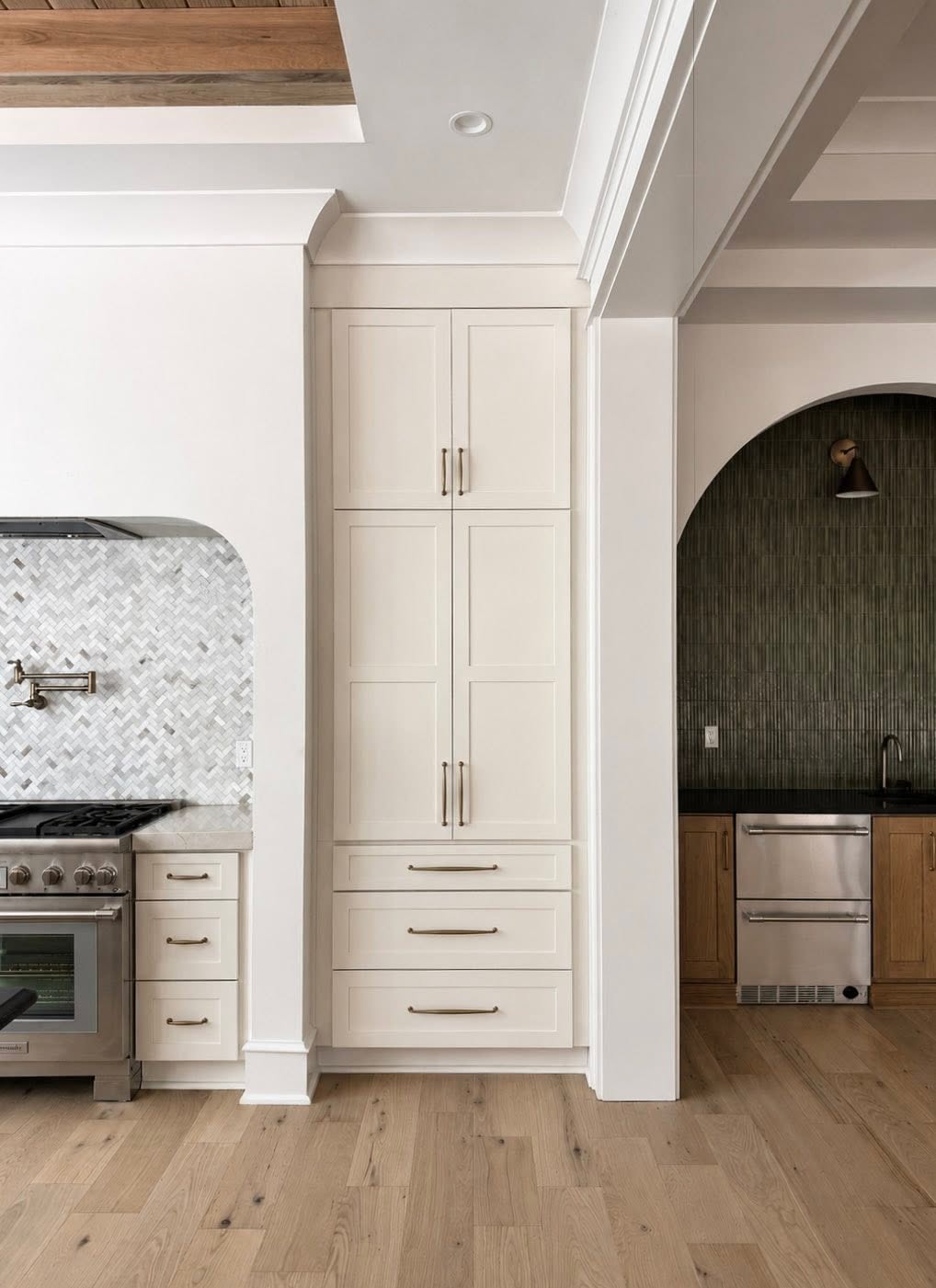
Granite countertops anchor the beauty of modern kitchens. Over years of daily service, even this stone can lose its original luster or develop small surface imperfections. Most homeowners think that to restore stone, they require expensive expert equipment or that they need to replace the entire surface. A little time and a few simple supplies make it easy to repair minor damage and restore the mirror finish yourself. Do this job and improve your kitchen; make your investment safe. With the appropriate method, you can wipe away indications of wear and tear, hide minor chips, and give your workspace a full clean to make it appear like new.
Erasing Surface Stains and Unwanted Marks
Before any physical repairs or cosmetic changes, the most crucial and initial step is deep cleaning. Once the seal is gone, stone surfaces readily absorb oils, dark liquids, and minerals from hard water. These stains are deep in the porous stone, but you can get them out with a brief paste of baking soda and water. Apply a thick mixture and cover the affected area with plastic wrap to keep damp. The compound can be left in place for a day and will draw the stain out of the stone building.
After the old stains have been removed, any sticky residue or heavy wax build-up should be wiped from the surface. You can use warm water and a little dish soap for basic cleaning, but serious restoration requires a skilled stone cleaner. A safe combination that will cut grease without harming the minerals below is watered down rubbing alcohol. You clean the entire surface with microfiber towels so you don’t scratch the stone. This provides you with a clean, pure canvas so that in the upcoming phases, your restoration chemicals can connect directly to the stone.
Fixing Small Chips with Clear Acrylic
In everyday use of the kitchen, you will get the odd little chips along the borders of your heavy stone countertop. You can fix these defects yourself using a transparent acrylic gel or a special stone repair kit. The secret to a proper repair is to make sure the damaged pocket is bone dry and dust-free before applying it. You fill the little gap with the fluid acrylic resin to the level of the surrounding stone. You add a small amount of hardener to kick-start the reaction and turn the mixture into a tough, long-lasting patch.
Once the glue has dried, you’ll need to sand the cured area flush with the surrounding counter. An effective way to remove extra without damaging the stone is a sharp razor blade cut flat. You just run the blade over the spot until it is perfectly flush. This method effectively closes the gap, prevents further cracking, and makes the original damage nearly undetectable to anyone standing in the kitchen.
Restoring Deep Shine with Specialized Compound
But polishing restores the brilliant reflection that makes natural stone so popular in-home decor. If you want a stunning granite countertop in Chattanooga, TN, or anywhere else, regular maintenance keeps the surface gleaming. You rub a kind of stone-polishing powder on the dull spots of your counter. The powder is composed of tiny abrasive particles that softly polish out small scratches in the surface without changing the original color of the mineral’s underneath. Buff the powder into the stone with a soft buffing pad on a variable-speed drill.
While you polish, keep the surface slightly moist so the heat of friction doesn’t burn the delicate stone. Using light pressure, rub the pad over the dulled areas in small, continuous circles. As the compound works into the stone, you will start to see a sparkling sheen show through the wetness. Frequently wipe off the slurry to see how you’re doing and to make sure you get an even finish all over the counter. The mechanical polishing procedure shows the deep intrinsic patterns of the stone structure.
Locking In Brilliance with Liquid Sealer
The last stage in your restoration project is to preserve the newly polished surface from absorbing liquids in the future. Natural stone, unprotected, has thousands of small pores that will swiftly absorb water, alcohol, and frying grease. An excellent-quality penetrating sealer will penetrate the microscopic pores and form an invisible, water-resistant coating over the entire countertop. Use a clean cloth to apply the liquid sealer to the surface, soaking the entire area for a few minutes. This lets the stone absorb as much of the protecting liquid as it can.
When the sealer has soaked into the stone, brush off the excess liquid before it dries to a milky film. A dry microfiber towel is the easiest way to eliminate the water left behind and create a crystal-clean finish. To test your work simply place a few droplets of water on the surface. Water should bead on the surface and not sink into the stone. Repeat this sealing step once a year to keep the barrier in place and avoid permanent stains. This will make your kitchen workspace pleasant for years to come.
Conclusion: The Perfect Finish for Your Kitchen
Restoring countertops is incredibly pleasant and can really make the whole cooking area look better. Doing it yourself saves money and teaches you critical home maintenance skills, but some big jobs might need a little help. Regional specialists can assist homeowners looking to upgrade cabinetry to match their spectacular counters. Experts like Georgia Cabinet Co Kitchen & Bath has a wonderful assortment of cabinets and full kitchen designs. They provide chic storage and professional advice for families wishing to redo a room completely. A committed staff helps clients design beautiful, functional rooms that fit their specific living needs. Hiring pros for large alterations will give you peace of mind that your home renovation project will look smooth and work wonderfully for decades to come.