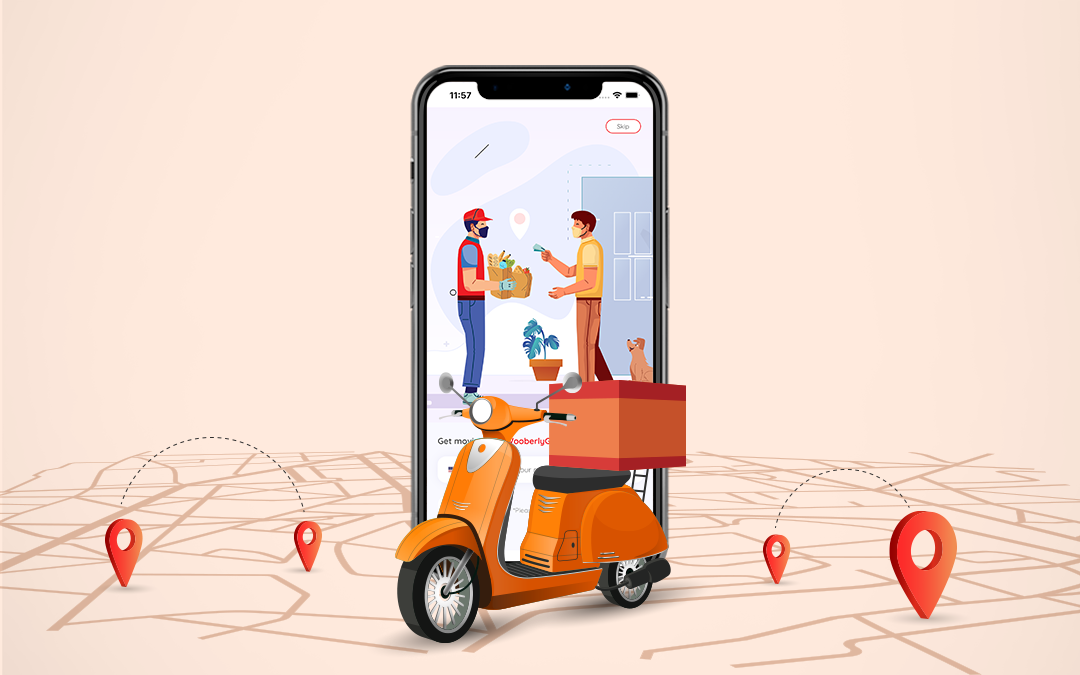
The grocery delivery market is evolving at a rapid pace, and technology is at the heart of this transformation. Among the most powerful innovations reshaping this space is predictive analytics — a data-driven approach that helps apps anticipate customer needs, streamline operations, and deliver smarter experiences. For businesses investing in on demand grocery delivery app development, integrating predictive analytics is no longer a luxury; it’s a competitive necessity.
What Is Predictive Analytics in the Context of Grocery Apps?
Predictive analytics uses historical data, machine learning algorithms, and statistical models to forecast future outcomes. Businesses investing in on demand grocery delivery app development services leverage these tools to build smarter, more responsive platforms. In grocery delivery apps, this translates into predicting what a customer will buy, when they’ll order, and how demand will shift across different times of day, week, or season. By processing massive datasets — purchase histories, browsing behavior, location patterns, and external triggers like weather or local events — the app becomes smarter with every interaction.
Personalizing the Shopping Experience
One of the most visible applications of predictive analytics is personalized product recommendations. When a user opens a grocery delivery app, they’re greeted with suggestions tailored to their past purchases and preferences. If someone regularly orders organic vegetables every Sunday, the app can proactively remind them or surface relevant deals before they even search.
This level of personalization drives higher order values and repeat usage. During on demand grocery delivery app development, developers and product teams build recommendation engines that continuously learn from user behavior, making each session feel intuitive rather than generic.
Smarter Inventory and Demand Forecasting
Stockouts and overstocking are two of the biggest operational headaches for grocery retailers. Predictive analytics solves both problems by analyzing demand patterns and forecasting which products will be needed — and in what quantities — at any given time.
For example, demand for ice cream spikes during summer, while flour and sugar see a surge during festive seasons. Predictive models account for these patterns alongside real-time signals like promotions or trending recipes. This ensures that delivery partners and dark stores maintain optimal stock levels, reducing waste and ensuring customers always find what they need.
Optimizing Delivery Routes and Timing
Efficient delivery is the backbone of any grocery app. Predictive analytics enhances route optimization by forecasting traffic conditions, delivery cluster density, and time-sensitive demand surges. Instead of reacting to problems after they arise, delivery management systems can pre-assign riders to high-demand zones before the orders even come in.
This proactive approach cuts delivery times, reduces fuel costs, and improves overall customer satisfaction — all critical KPIs during on demand grocery delivery app development planning. Apps like Blinkit and Zepto have built their ultra-fast delivery models partly on this kind of predictive logistics intelligence.
Dynamic Pricing and Promotions
Predictive analytics also empowers apps to implement dynamic pricing strategies. By understanding demand elasticity — how sensitive customers are to price changes for specific products — apps can offer time-based discounts, bundle deals, or flash sales that maximize both conversions and margins.
During low-demand windows, automated promotions can stimulate orders. During peak hours, pricing adjustments ensure delivery capacity isn’t overwhelmed. This level of pricing intelligence is a key feature that businesses request during the on demand grocery delivery app development phase.
Reducing Churn and Increasing Retention
Predictive models can identify early signals of customer churn — users who are becoming less active or skipping their usual order cycles. Armed with this insight, apps can trigger re-engagement campaigns, offer loyalty rewards, or send personalized nudges before the customer disengages entirely.
Retaining an existing customer is far more cost-effective than acquiring a new one, and predictive analytics gives businesses the foresight to act at exactly the right moment.
The Competitive Edge in App Development
As the grocery delivery landscape grows more competitive, features powered by predictive analytics — from smart reordering to AI-driven demand forecasting — are becoming standard expectations rather than differentiators. Businesses that build these capabilities into their apps from day one gain a significant edge in user retention, operational efficiency, and profitability.
Investing in on demand grocery delivery app development with a strong predictive analytics layer isn’t just about keeping up with trends — it’s about building an app that genuinely understands and serves its users. That intelligence is what separates good grocery apps from great ones.