
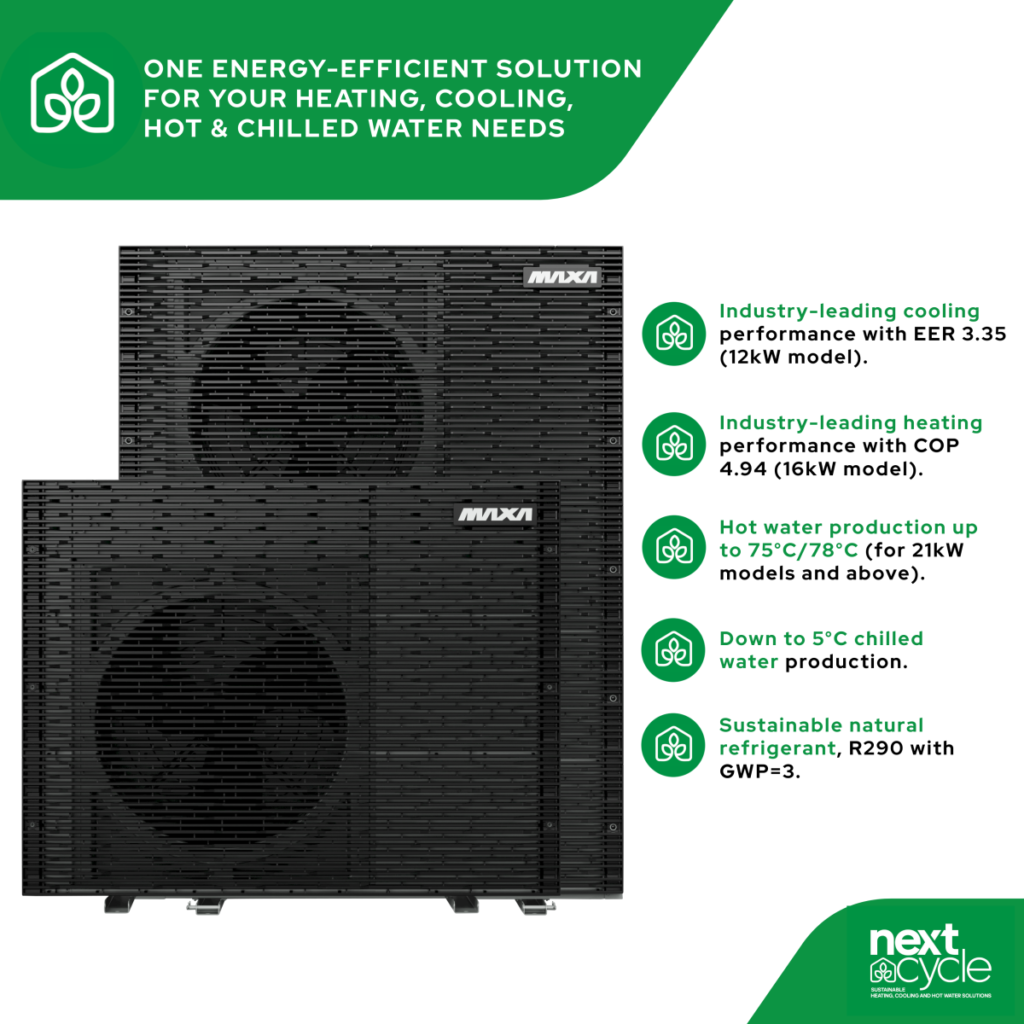
If you’ve been hearing the words heat pump everywhere lately from your neighbour’s WhatsApp group to your energy bill provider’s newsletter you’re not imagining it. Heat pumps have gone from a niche piece of technology to one of the most talked-about home upgrades of the decade. But what actually is a heat pump, does it live up to the hype, and is it the right move for your home?
Let’s break it all down in plain language no jargon, no sales pitch.
What Exactly Is a Heat Pump?
Here’s the simple version: a heat pump doesn’t generate heat the way a boiler does. Instead, it moves heat. It pulls warmth from the outside air — even on cold days and transfers it inside your home to keep you comfortable.
Think of it like a refrigerator working in reverse. Your fridge pulls heat out of the food inside and dumps it into your kitchen. A heat pump pulls heat from the outside air and pushes it into your living room. It sounds strange, but the physics work and they work really well.
There are different types, but the most common one you’ll come across is the air source heat pump. It sits outside your home, usually on a wall or on the ground, and quietly does its job year-round.
Why Are Heat Pumps Having Such a Big Moment Right Now?
A few things have collided at once to push heat pumps into the spotlight. First, energy prices have been unpredictable for several years. When gas prices spike, people start looking for alternatives and heat pumps run on electricity, which can increasingly come from renewable sources.
Second, governments across Europe, North America, and beyond have been rolling out incentives, grants, and subsidies to encourage homeowners to switch away from gas boilers. The push to reduce carbon emissions from homes has made heat pumps a central part of the plan.
Third, the technology has genuinely improved. Modern heat pumps are quieter, more efficient, and better suited to older homes than they were even five years ago.
And fourth honestly awareness is spreading. Word of mouth is powerful. When your neighbour gets one installed and tells you their heating bills dropped, you start paying attention.
How Much Does a Heat Pump Actually Save You?
This is where people want real numbers, and the honest answer is: it depends.
A heat pump can be two to four times more efficient than a traditional gas boiler. That means for every unit of electricity it uses, it produces two to four units of heat. In technical terms, this is called the Coefficient of Performance but all you really need to know is that you get more heat for less energy.
However, electricity is currently more expensive per unit than gas in many countries. So the savings depend on your current setup, your home’s insulation, your local energy prices, and which tariff you’re on. In well-insulated homes with smart energy tariffs, the savings can be significant. In a draughty old house with poor insulation, you’ll want to sort that out first.
The bottom line: most homeowners who make the switch thoughtfully with proper insulation and the right-sized system do see lower running costs over time.
Enter Nextcycle: A Name Worth Knowing
When you start researching heat pumps, you’ll quickly realise that the installation and aftercare side of things matters just as much as the hardware itself. This is where companies like Nextcycle come into the picture.
Nextcycle has been making a name for itself in the renewable home energy space, helping homeowners navigate the switch to cleaner heating systems including heat pumps. What sets them apart isn’t just the products they offer, but the approach: they focus on the full journey, from assessing whether your home is actually ready for a heat pump, to installation, to ongoing support.
In a market where a lot of companies will happily sell you a heat pump without telling you that your loft insulation needs upgrading first, that kind of honest, holistic service matters. Nextcycle has positioned itself as a trusted guide rather than just another supplier which is exactly what most homeowners need when they’re making a big decision like this for the first time.
Is Your Home Ready for a Heat Pump?
This is the question a lot of articles skip over, and it really shouldn’t be skipped.
Heat pumps work best with:
- Good insulation — walls, roof, and floors. Heat pumps produce warmth at a lower temperature than boilers, so you need your home to hold onto that warmth efficiently.
- Larger radiators or underfloor heating — because the heat comes through at a lower flow temperature, you may need bigger radiators to heat rooms effectively.
- Enough outdoor space — for the external unit to sit safely with good airflow around it.
- A modern hot water cylinder — if you want hot water from your heat pump, you’ll need a compatible tank.
None of these are dealbreakers, but they’re things to plan for. A good installer ike those working with Nextcycle will assess all of this before recommending anything.
The Environmental Case for Heat Pumps
Beyond the bills, there’s a bigger picture here.
Heating our homes accounts for a significant chunk of carbon emissions in most countries. Gas boilers burn fossil fuels directly, releasing CO2 every time they fire up. Heat pumps, running on electricity, have a much lower carbon footprint — and that footprint keeps shrinking as the electricity grid gets cleaner with more wind, solar, and other renewables coming online.
If you’re someone who wants to reduce your personal environmental impact in a practical, meaningful way, switching to a heat pump is one of the most impactful things you can do at home. It’s not just swapping a lightbulb it’s rethinking how your entire home gets warm.
Common Worries Addressed Honestly
Will it work in cold weather? Yes. Modern heat pumps work efficiently down to around -15°C to -20°C. The UK, for example, rarely gets that cold, and heat pumps are already standard in countries like Norway and Finland where winters are genuinely harsh.
Aren’t they noisy? Modern units are much quieter than older models roughly comparable to a quiet conversation or a running refrigerator. Most people stop noticing them within days of installation.
What about the upfront cost? Yes, the installation cost is higher than replacing a boiler. But with government grants, the gap is closing. And over the lifetime of the system which can be 20 years or more the savings and the reduced maintenance costs add up.
So, Should You Get a Heat Pump?
If your home is reasonably well-insulated, or you’re planning to improve it, and you’re looking at your heating system with a long-term view yes, a heat pump is absolutely worth serious consideration.
The technology is proven, the environmental benefits are real, and the industry has matured enough that finding a trustworthy installer, especially through companies like Nextcycle, is more straightforward than it used to be.
We’re in the middle of a genuine shift in how homes are heated. Heat pumps aren’t a passing trend they’re where home heating is heading. The question isn’t really if you’ll make the switch eventually. It’s whether you do it now and start saving sooner, or wait and play catch-up later.For most homeowners, the answer is becoming clearer every year.
Contact Us
Email:[email protected]
Visit Us:https://nextcycle.com.au/
Phone:(02) 9571 0570
Head Office
Next Cycle Pty Ltd
Unit 1, 107-109 Newton Road
Wetherill Park
NSW 2164
Australia
Victoria
Next Cycle Pty Ltd
43B Patch Circuit
Laverton North
Victoria 3026
Australia