The modern workplace has changed dramatically over the past decade. Employees now work across multiple devices, communicate through dozens of digital channels, attend virtual meetings, and manage a constant flow of information throughout the day. While technology has improved collaboration and efficiency, it has also introduced a new challenge: digital distraction.
From social media notifications and endless news feeds to streaming platforms and short-form videos, employees face more distractions than ever before. Even highly motivated professionals can find their attention pulled away from important tasks by online content designed to capture engagement.
As organizations look for ways to improve productivity and support employee wellbeing, many are exploring digital focus solutions. Rather than relying solely on workplace policies or individual willpower, companies are increasingly recommending tools that help employees manage distractions and create healthier digital work environments. Among these solutions, BlockP has become part of a broader conversation about workplace focus, productivity, and responsible technology use.
The Growing Challenge of Workplace Distraction
Most jobs today require internet access.
Employees use online tools for:
- Communication
- Research
- Project management
- Customer support
- Collaboration
- Training
Because internet access is essential, completely eliminating distractions is not realistic.
At the same time, employees are often only a few clicks away from:
- Social media platforms
- Entertainment websites
- Online shopping
- Video streaming services
- News feeds
- Personal messaging apps
These distractions can interrupt concentration and reduce productivity throughout the workday.
The issue is not that employees intentionally avoid work. In many cases, digital distractions occur automatically as a result of habits developed through years of technology use.
Understanding Productivity Loss from Digital Distractions
Research consistently shows that interruptions can affect workplace performance.
While exact figures vary depending on the study and industry, many workplace productivity researchers have found that employees spend significant portions of the workday recovering from interruptions and switching between tasks.
Common consequences include:
Reduced Deep Work
Complex tasks often require sustained concentration.
Frequent interruptions make it harder to maintain focus long enough to enter a productive workflow.
Increased Task Switching
Moving repeatedly between work-related and non-work-related activities can reduce efficiency.
Mental Fatigue
Constant attention shifts may contribute to cognitive overload and decision fatigue.
Longer Project Completion Times
Even short distractions can accumulate throughout the day and delay important work.
These challenges have become more noticeable as remote and hybrid work models continue to expand.
Why Traditional Productivity Policies Often Fall Short
Many organizations attempt to address distractions through workplace policies alone.
Examples include:
- Internet usage guidelines
- Acceptable use policies
- Productivity expectations
- Training programs
While these measures remain important, policies by themselves may not fully address behavioral patterns.
Employees often understand what they should do but still struggle with distractions because digital platforms are designed to attract attention.
This is why many experts now focus on creating supportive environments rather than relying exclusively on self-discipline.
The Shift Toward Digital Focus Tools
In recent years, organizations have begun exploring tools that help employees manage distractions proactively.
These tools often allow users to:
- Block distracting websites
- Restrict non-essential content
- Create focus sessions
- Limit access during work hours
- Build healthier digital habits
Importantly, many companies view these solutions as productivity aids rather than surveillance tools.
The objective is often to support employee success rather than monitor personal behavior.
Ethical Use of Content Filters in Professional Settings
One of the most important considerations when implementing workplace filtering tools is ethics.
Responsible use requires balancing productivity goals with employee privacy and autonomy.
Organizations should prioritize:
Transparency
Employees should understand what tools are being used and why.
Consent and Communication
Clear communication helps build trust and reduce misunderstandings.
Respect for Privacy
Workplace technology policies should respect applicable privacy regulations and employee rights.
Purpose Limitation
Tools should be used for legitimate productivity and safety purposes rather than unnecessary surveillance.
When implemented thoughtfully, content-filtering solutions can support workplace goals while maintaining respect for employees.
Why Employees Also Benefit
Digital focus tools are not only valuable for employers.
Many employees actively seek ways to manage distractions and improve concentration.
Common benefits include:
Better Time Management
Reducing interruptions can help employees allocate time more effectively.
Improved Focus
Fewer distractions often support deeper engagement with important tasks.
Reduced Digital Overload
Managing unnecessary content can decrease information fatigue.
Stronger Work-Life Boundaries
Intentional technology use can support healthier relationships with digital devices.
For many professionals, productivity tools are viewed as personal development resources rather than workplace restrictions.
Workplace Focus in Remote and Hybrid Environments
Remote work has introduced both opportunities and challenges.
Employees often enjoy:
- Greater flexibility
- Reduced commuting time
- Improved autonomy
However, remote environments can also increase exposure to distractions.
Unlike traditional offices, home environments often provide unrestricted access to:
- Social media
- Streaming services
- Personal devices
- Household interruptions
As a result, many remote workers adopt focus-supporting technologies to create structure and maintain productivity.
The Role of BlockP in Workplace Productivity
Organizations increasingly recognize that maintaining focus requires more than motivation alone.
Digital environments influence behavior.
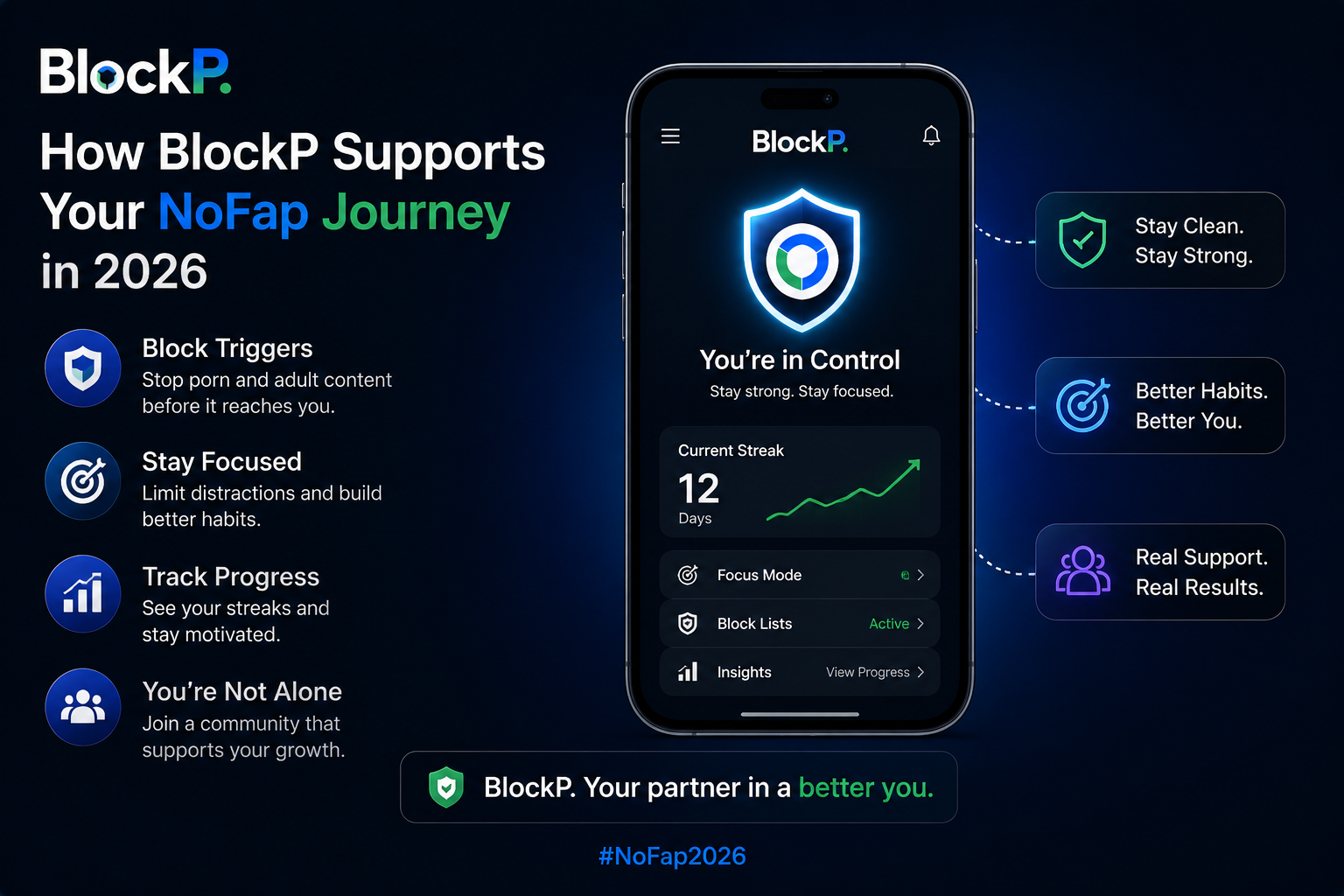
By reducing access to unnecessary distractions, BlockP can help employees create workspaces that support concentration and intentional technology use.
For example:
- Professionals can limit access to distracting websites during work sessions.
- Remote workers can establish clearer digital boundaries.
- Teams can encourage healthier online habits without relying solely on manual self-control.
The goal is not to eliminate internet access but to make productive choices easier.
Building a Culture of Focus
Technology alone cannot solve workplace productivity challenges.
Successful organizations often combine tools with broader cultural practices such as:
Clear Priorities
Employees perform better when expectations are well defined.
Respect for Deep Work
Dedicated focus time can improve performance on complex tasks.
Healthy Communication Practices
Reducing unnecessary interruptions supports productivity.
Digital Wellbeing Awareness
Helping employees understand attention management benefits both individuals and organizations.
When focus becomes part of workplace culture, productivity improvements often extend beyond technology solutions alone.
Looking Ahead
As workplaces continue evolving, the importance of attention management is likely to increase.
Organizations are becoming more aware that productivity is not simply about working longer hours. It is also about protecting the quality of attention employees bring to important tasks.
Future workplace strategies may increasingly combine:
- Digital wellbeing initiatives
- Productivity training
- Focus-supporting technology
- Ethical technology policies
Together, these approaches can help employees navigate increasingly complex digital environments while maintaining effectiveness and wellbeing.
Conclusion
Digital distractions have become one of the most significant productivity challenges facing modern workplaces. From social media feeds to short-form video platforms, employees encounter countless interruptions that compete for their attention throughout the day.
As organizations seek practical solutions, many are recommending tools that help create more focused digital environments. When implemented ethically and transparently, these tools can support both organizational goals and individual productivity.
By combining healthy workplace practices with technology that reduces unnecessary distractions, companies and employees can work together to build more intentional, productive, and sustainable work habits.
Frequently Asked Questions
Can employers legally monitor employee browsing?
The answer depends on local laws, employment agreements, and workplace policies. In many jurisdictions, employers may monitor activity on company-owned devices or networks under certain conditions. However, legal requirements regarding notice, consent, privacy protections, and data handling vary significantly by country and region. Organizations should consult legal professionals and comply with applicable regulations.
How much productivity is lost to digital distractions yearly?
Estimates vary widely depending on industry, work environment, and research methodology. However, numerous workplace studies suggest that interruptions, task switching, and digital distractions can collectively consume substantial portions of employee work time each year. The exact impact differs among organizations and individual roles.
What’s the difference between employee monitoring and personal focus tools?
Employee monitoring typically involves tracking or observing workplace activity for organizational purposes. Personal focus tools are generally designed to help individuals manage distractions and improve concentration. While both may involve technology that affects internet use, their goals, implementation methods, and privacy implications are often quite different.