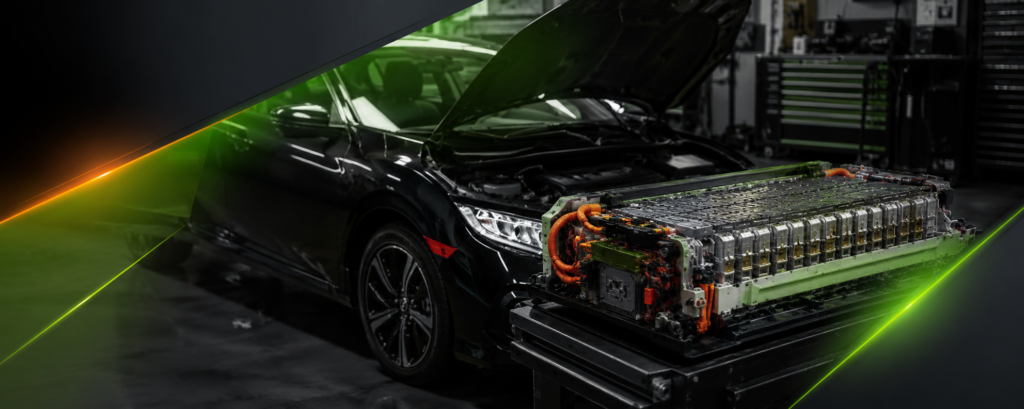
Hybrid vehicles have revolutionized the way we drive, combining the efficiency of electric power with the reliability of a traditional gasoline engine. For hybrid owners, maximizing fuel economy and ensuring the vehicle runs smoothly are top priorities. The heart of any hybrid vehicle is its battery pack, an advanced component that requires proper care and understanding to avoid premature failure.
Maintaining a hybrid car involves standard vehicle maintenance alongside specialized attention to the electrical propulsion system. Understanding how these systems interact can help you save thousands of dollars in premature replacement costs. By implementing a few strategic habits, you can keep your vehicle running at peak performance for years to come.
When it comes to specialized care, finding expert technicians is crucial for long-term vehicle health. For drivers experiencing decreased fuel efficiency or warning lights on their dashboard, seeking professional Honda Hybrid Battery Repair ensures that your vehicle receives precision diagnostics and component-level restoration without the massive expense of a complete factory replacement. Professional technicians can safely recondition individual cells, balance the voltage across the pack, and restore the internal integrity of the battery system.
Understanding the Mechanics of a Hybrid Battery Pack
A hybrid car battery is not like a standard twelve-volt automotive battery that simply starts the engine. It is a high-voltage, sophisticated energy storage system typically composed of either Nickel-Metal Hydride or Lithium-ion cells. These cells work collectively to store energy gathered through regenerative braking and supply power to the electric motor during acceleration.
Over time, these cells undergo chemical degradation due to repeated charge and discharge cycles. This natural wear is normal, but factors like extreme heat, prolonged inactivity, and clogged cooling systems can accelerate the aging process dramatically. Understanding that a hybrid battery is a collective network of modules helps clarify why targeted maintenance is so effective.
The Critical Role of Battery Cooling Systems
Heat is the absolute number one enemy of high-voltage battery longevity. Hybrid battery packs generate significant heat during rapid charging and discharging phases, which occurs constantly during stop-and-go city driving. To combat this, manufacturers install dedicated cooling systems that utilize either cabin air or specialized liquid coolant.
Many hybrid vehicles feature an air intake vent located near the rear seats or under the floorboards. If this vent becomes blocked by grocery bags, clothing, or pet hair, the cooling fan cannot circulate air efficiently. This restriction causes internal temperatures to spike, leading to rapid cell degradation and eventual module failure.
Regularly cleaning the battery cooling fan and ensuring the air ducts remain completely free of debris is one of the easiest ways to prolong the lifespan of your hybrid system. If you drive with pets frequently, check these vents monthly to ensure hair has not accumulated inside the ductwork.Here is the expanded content for your blog, maintaining the exact same structure, professional tone, short paragraphs, and formatting rules.
The Environmental Impact of Choosing Battery Restoration
Opting to repair or recondition a hybrid powertrain component instead of discarding it plays a massive role in environmental conservation. High-voltage vehicle batteries contain heavy metals and rare earth elements that require substantial energy and mining resources to extract and manufacture.
When a battery pack is thrown away prematurely, it adds to global electronic waste streams. Even though recycling programs exist, the melting down and chemical processing of old batteries still carries a measurable carbon footprint. Choosing component restoration maximizes the lifecycle of materials already in circulation.
By replacing only the weak modules, you significantly reduce demand for new raw materials. This practice supports a sustainable circular economy within the automotive industry, ensuring that green vehicles remain truly environmentally friendly from production to end-of-life.
Advanced Diagnostic Tools Used by Specialists
Pinpointing the exact state of health of a hybrid powertrain requires highly specialized automotive diagnostic equipment. Standard code readers used at general repair shops often only provide generic error codes that indicate a broad system failure without specifying the root cause.
Specialized technicians utilize advanced software that interfaces directly with the hybrid powertrain control module. This technology allows them to monitor the live voltage, internal resistance, and temperature of every single module dynamically while the vehicle is under load.
Through these precise readings, experts can generate detailed performance graphs. These graphs isolate the exact cells that are dropping below acceptable thresholds under acceleration, allowing for surgical precision during the physical repair process.
The Financial Benefits of Early Diagnostic Intervention
Ignoring early warning signs like decreased fuel economy or minor dashboard indicators can quickly turn a minor repair into an expensive replacement project. When one module fails and goes unaddressed, it forces the surrounding modules to work harder to maintain the circuit.
This extra stress causes a cascading failure effect across the entire system. What could have been a simple, affordable service to swap out a couple of weak cells can rapidly turn into a situation where the entire internal chemistry of the pack is permanently ruined.
Investing in early diagnostics as soon as you notice a drop in performance saves a significant amount of money. Catching cell imbalances early ensures that the battery can be successfully balanced and reconditioned, extending the vehicle’s lifespan for a fraction of dealership prices.
How Extreme Weather Influences Battery Performance
Both intense summer heat and freezing winter temperatures place extra stress on a hybrid vehicle’s electrical storage systems. In extreme cold, the chemical reactions inside the battery cells slow down significantly, reducing the pack’s overall capacity and willingness to accept a charge.
During the winter, you may notice that the gasoline engine runs much more frequently to keep the cabin warm and help the battery reach its optimal operating temperature. Parking in a garage during freezing weather can help mitigate these initial efficiency losses.
Summer heat is even more hazardous, as it directly accelerates the internal degradation of the cells. Using sunshades, parking in the shade, and turning on the air conditioning promptly to cool the cabin air (which the battery uses for cooling) are vital steps to protect your system during heatwaves.
The Hidden Danger of Prolonged Vehicle Inactivity
Hybrid vehicles are designed to be driven consistently. Leaving a hybrid car parked for weeks or months at a time can be incredibly damaging to the high-voltage battery pack. Unlike standard combustion vehicles that simply suffer a drained starter battery, a hybrid can suffer from deep self-discharge across its main power pack.
When a hybrid sits idle, the individual modules slowly lose their charge at varying rates. This uneven self-discharge creates a severe voltage imbalance across the battery pack. When you finally start the vehicle after a long period of sit time, the vehicle computer may detect this imbalance and trigger a severe system fault light.
If you plan to go on an extended vacation or have a secondary hybrid vehicle that is rarely used, make arrangements for someone to drive it. A twenty-minute drive once a week is usually sufficient to engage the regenerative braking system, exercise the battery cells, and maintain a balanced state of charge.
How Regenerative Braking Maximizes Battery Health
Regenerative braking is a brilliant technological feature that converts kinetic energy during deceleration into electrical energy to recharge the hybrid battery. Instead of wasting energy as heat through brake pads, the electric motor reverses direction to slow the vehicle down, acting as a generator.
To maximize this benefit, adopt a smooth and predictive driving style. Coasting gently toward red lights and applying steady, prolonged pressure to the brake pedal allows the system to harvest the maximum amount of electricity. Abrupt, hard braking forces the vehicle to rely heavily on its mechanical friction brakes, missing an opportunity to efficiently cycle the battery.
This consistent, gentle cycling of energy helps maintain cell health by preventing deep discharges and keeping the internal chemistry active. Predictive driving not only saves fuel but directly contributes to the structural stability of the high-voltage pack.
Recognizing the Early Warning Signs of Battery Decline
Being able to spot the early symptoms of a failing hybrid battery can save you from getting stranded on the side of the road. One of the most common early indicators is a noticeable and steady drop in your overall fuel economy. When the battery loses its capacity, the internal combustion engine must run longer to compensate for the lack of electric assist.
Another clear sign is rapid fluctuations on your dashboard battery state-of-charge gauge. If you notice the gauge quickly swinging from full to empty within a few blocks of driving, the cells are losing their ability to hold a stable charge. You might also notice the gasoline engine revving unusually high or running loudly even when you are idling at a stoplight.
Finally, the illumination of the master warning light or a specific hybrid system malfunction light is an immediate signal to seek professional diagnostic help. Catching these signs early often means the battery can be repaired or reconditioned rather than completely replaced.
Comparing Nickel-Metal Hydride vs Lithium-Ion Technology
Hybrid vehicles on the road today generally utilize one of two primary battery chemistries: Nickel-Metal Hydride or Lithium-ion. Older generations and many traditional hybrid models rely heavily on Nickel-Metal Hydride due to its proven thermal stability, long track record of reliability, and lower manufacturing costs.
Lithium-ion technology, found in newer and plug-in hybrid models, offers a much higher energy density. This means they can store more power in a lighter, more compact package. However, Lithium-ion setups require more complex electronic monitoring systems to manage individual cell temperatures and voltage ranges safely.
Regardless of which technology powers your specific vehicle, both types are susceptible to capacity loss over years of heavy cycling. Understanding your vehicle’s specific chemistry helps technicians apply the exact charging and discharging protocols required during a professional reconditioning process.
The Importance of the Twelve-Volt Auxiliary Battery
Many hybrid owners are surprised to learn that their vehicle actually contains two separate batteries. In addition to the massive, high-voltage propulsion pack, there is a traditional twelve-volt auxiliary battery hidden in the trunk or under the hood.
This smaller auxiliary battery does not crank the engine, but it is responsible for powering the vehicle’s main computers, dashboard displays, headlights, and audio systems. Most importantly, it supplies the initial electrical signal required to close the high-voltage relays that bring the main hybrid system to life.
If this twelve-volt auxiliary unit becomes weak or dies, your hybrid vehicle will refuse to start, even if the main high-voltage pack is fully charged. Testing and replacing this auxiliary component every few years is a critical, yet frequently overlooked, part of comprehensive hybrid vehicle maintenance.
Safety Protocols for High-Voltage Automotive Systems
Working on a hybrid vehicle’s electrical propulsion system requires strict adherence to specialized safety protocols. The high-voltage circuits in these vehicles carry enough electrical current to cause severe injury if handled improperly, which is why DIY repairs are highly discouraged.
Professional technicians wear heavily insulated, high-voltage safety gloves that are regularly pressure-tested for microscopic pinholes. They also utilize insulated hand tools designed specifically to prevent accidental electrical arcs while working inside the battery housing.
Before any physical work begins, a bright orange service plug or safety disconnect switch is removed from the vehicle. This physically breaks the high-voltage circuit, isolating the electricity within the battery pack and ensuring the rest of the vehicle components are safe to service.
The Advantages of Professional Battery Reconditioning
When a hybrid battery begins to fail, many consumers assume that buying a brand-new factory pack is the only solution. Fortunately, advanced diagnostics allow specialized technicians to perform precise conditioning and repair services that are highly cost-effective.
Battery reconditioning involves deep-cycling the entire pack using specialized equipment to break up crystalline structures that form on the internal elements. Technicians can isolate the specific weak or failed modules within the pack and replace only those broken components, rather than discarding the entire unit.
Once the bad modules are replaced, the entire pack is balanced so that all cells share the electrical load equally. This process restores the overall capacity of the pack and can add years of reliable service to your vehicle at a fraction of the cost of a new factory battery.
Daily Driving Habits to Optimize Efficiency
Your everyday driving habits play a monumental role in the health of your hybrid powertrain. Avoid aggressive acceleration away from stoplights, as slamming on the gas pedal forces the battery to discharge energy at an extreme rate, creating excessive internal heat.
Utilize your vehicle’s specialized driving modes effectively. Most modern hybrids offer an Eco mode that dampens aggressive throttle inputs and optimizes the air conditioning system to reduce the electrical load on the battery. Using this mode during daily commutes helps maintain a stable, moderate operating environment for the electronics.
Additionally, maintain proper tire inflation according to the manufacturer specifications. Underinflated tires increase rolling resistance, forcing both the engine and the electric motor to work significantly harder, which ultimately puts unnecessary strain on the high-voltage energy reserve.
FAQs
How long does a typical hybrid battery last before needing attention?
Most hybrid batteries are engineered to last between one hundred thousand and one hundred fifty thousand miles under normal driving conditions. With meticulous vehicle maintenance, clean cooling systems, and regular driving habits, many packs can last even longer before requiring component repair or reconditioning.
Can I drive my hybrid car if the high-voltage battery is completely dead?
In most hybrid designs, the vehicle will not start or operate if the high-voltage battery pack is completely dead or disconnected. The high-voltage system is responsible for spinning the internal combustion engine to start it, meaning the car cannot function solely on gasoline if the hybrid battery fails entirely.
What causes a hybrid battery pack to degrade faster than normal?
Extreme ambient temperatures, blocked cooling fan vents, prolonged vehicle neglect, and aggressive driving habits are the leading causes of accelerated degradation. Consistently parking in direct sunlight during hot summer months can also raise internal cell temperatures and shorten overall service life.
Is it better to repair individual battery modules or replace the whole pack?
Repairing or reconditioning individual modules is an exceptionally cost-effective alternative that restores structural balance and performance. If the overall structural integrity of the rest of the pack is healthy, replacing only the failed cells provides a reliable fix without the high cost of a new factory unit.
How do I know if my hybrid battery cooling fan needs to be cleaned?
If you hear a loud fan noise coming from the rear seat area or if the hybrid warning light illuminates during hot days, your cooling system may be clogged. A physical inspection of the air intake vents for dust, pet fur, or debris blocks will quickly tell you if cleaning is required.