
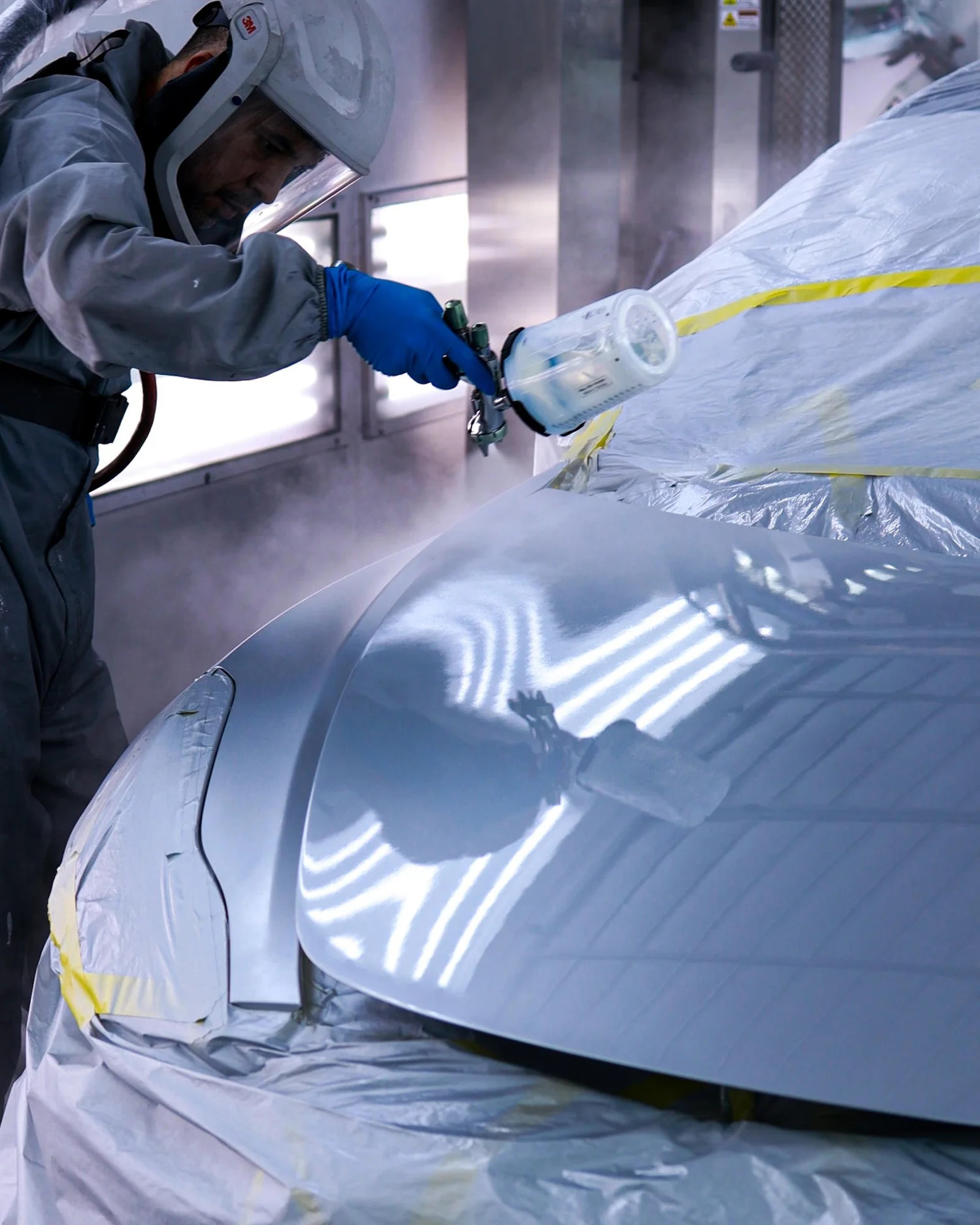
Repair estimates are easier to read than repair decisions. Before choosing among oxnard auto body shops, knowing what to ask before BMW collision repairs begin can make the process feel much clearer from day one.
BMW collision repair often involves more than visible body damage. Sensors, cameras, specialty materials, and calibration can all affect the repair plan once work begins.
That is why asking the right questions early matters. A little clarity before repairs start can help avoid unexpected costs and make the entire process easier to understand.
What Makes BMW Collision Repair Different From a Standard Repair?
BMW repairs often involve more detail than drivers expect and that starts with how the vehicle is built.
Many BMW models include lightweight materials, advanced electronics, safety technology, and structural components that all work together. A bumper may hold parking sensors and camera systems.
A front-end repair may involve radar calibration. Side impact damage may affect electronics inside doors, mirrors, or frame sections.
Visible damage is only part of what gets inspected.
A repair may also involve:
- Sensor alignment
- Diagnostic scanning
- Software programming
- Structural measurements
- Paint blending on the surrounding panels
- Replacement of trim or safety components
That is why repair plans can change once work begins.
It is not always because something unexpected happened. Sometimes it simply takes a closer inspection to see the full scope.
Questions Worth Asking Before Repairs Begin
Asking better questions early usually makes everything easier later.
A few specific questions can help you understand both the repair and the cost.
What exactly is included in the estimate?
Ask about:
- Labor
- Paint materials
- Diagnostics
- Calibration
- Replacement parts
- Any outsourced services
A clear estimate makes later conversations easier.
Could hidden damage affect the estimate later?
Some damage does not appear until the vehicle is disassembled.
Ask how changes would be documented if more repair work is needed.
Which parts are being used?
BMW owners often want clarity here.
Ask whether parts include:
- OEM components
- Aftermarket parts
- Reconditioned parts
Different parts can affect price, repair timing, and future records.
Will recalibration be required?
Many BMW systems rely on calibration. That may include:
- Parking sensors
- Cameras
- Lane assist
- Collision warning systems
- Adaptive cruise control
It helps to ask early instead of waiting until pickup.
How will repair updates be shared?
Ask whether updates happen by:
- Phone
- Insurance communication
- Photo documentation
That helps reduce confusion.
Costs BMW Owners Sometimes Do Not Expect
Collision costs are not always just body work. A few things can affect pricing more than expected.
- Diagnostics and programming: A replacement part may also need software communication or setup. That can affect labor and timing.
- Sensor calibration: A camera or radar system may need recalibration even after smaller repairs. That adds another repair step.
- Paint blending: A repaired panel may require nearby panels to be blended for finish consistency. That changes materials and labor.
- Structural measurement: A repair may include checking frame alignment or measuring repair points. That work matters even if it is not visible later.
- Delayed parts: Specialty parts can affect repair timing. That does not always raise cost directly, but it can impact planning.
Common Mistakes That Create More Confusion During BMW Repairs
A few things tend to create avoidable frustration.
- Approving repairs too quickly: An estimate should feel clear. If something feels vague, ask before approving.
- Looking only at exterior damage: A clean exterior does not confirm that everything underneath was simple. Electronics and internal structure matter too.
- Forgetting about future records: Repair paperwork matters later. Especially for resale or warranty discussions.
- Waiting until pickup to ask detailed questions: It helps to ask while the repair plan is still being reviewed. That makes adjustments easier.
- Not asking how supplements are handled: If costs change later, ask how those changes will be explained and approved. That keeps expectations realistic.
Helpful Tips Before You Approve BMW Collision Work
A few practical habits help.
Before approving repairs:
- Ask for written estimates
- Save photos of visible damage
- Keep insurance paperwork together
- Review added charges carefully
- Ask how recalibration is documented
- Confirm expected repair timing
- Save invoices and repair records
A simple organization makes follow-up easier later.
Especially if questions come up after the repair is complete.
A Local Note for BMW Drivers
BMW repairs often require more than standard bodywork, especially when technology and structural systems are involved.
For drivers comparing local repair options, researching a bmw certified collision repair center can help clarify how different facilities approach manufacturer repair procedures, diagnostics, and calibration requirements.
Conclusion
BMW collision repair often involves details that are easy to miss at first.
A few clear questions before work begins can help prevent confusion later and make repair decisions feel easier to manage.
Shops like Prestige Bodyworks Auto Collision often become part of that research when BMW owners want a better understanding of available repair options and what documentation may be worth reviewing before work begins.
Understand the estimate, keep records organized, and ask about anything unclear before approving repairs. It makes the process feel much more straightforward from the beginning.