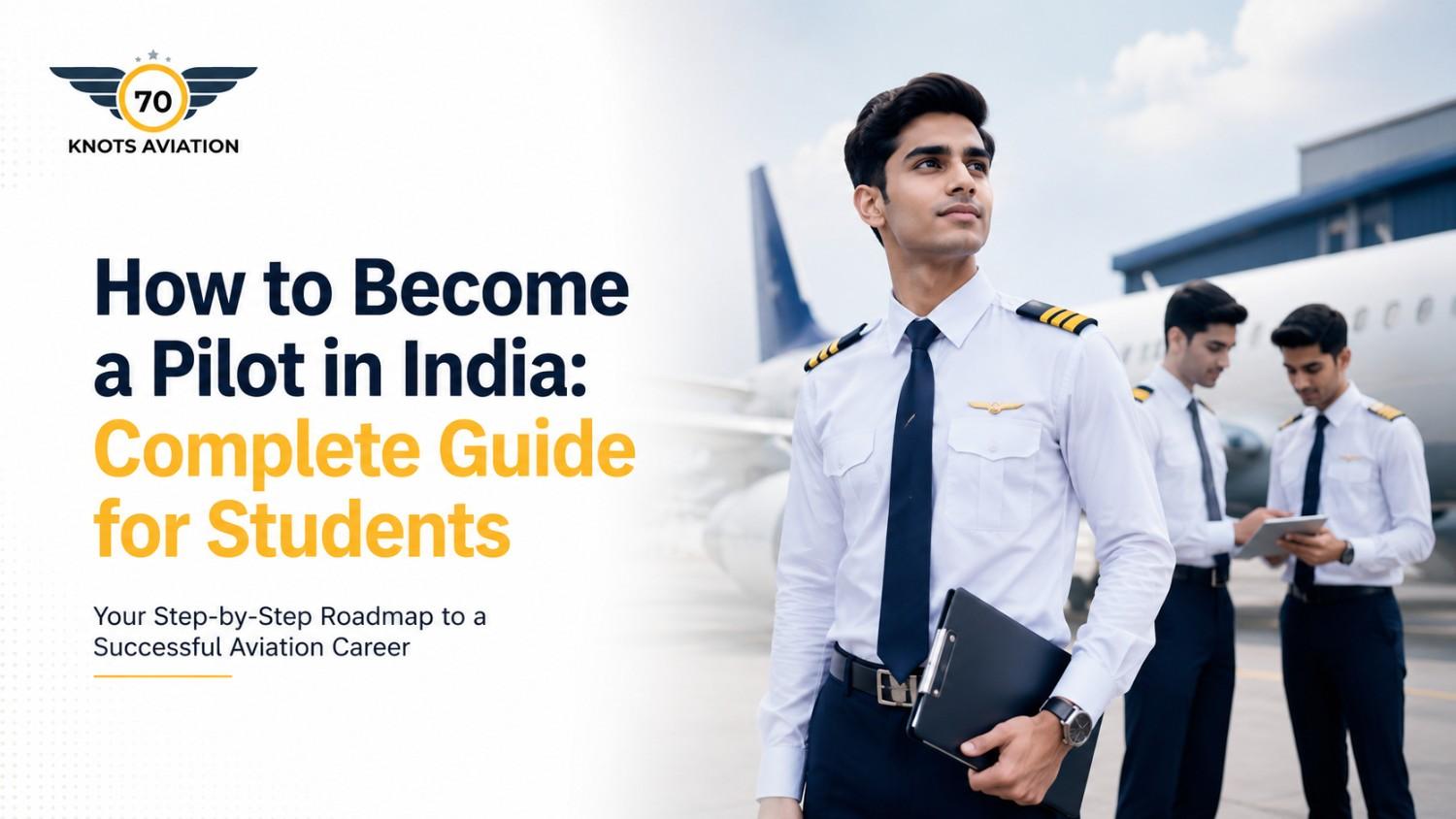
How to Become a Pilot: Complete Guide for Students in India
A career as a pilot attracts thousands of students every year because it offers the opportunity to work in a dynamic industry, travel across the world, and operate advanced aircraft. However, becoming a professional pilot requires proper planning, dedication, technical knowledge, and structured training.
Many students often wonder how to become a pilot after completing school or graduation. The journey involves meeting eligibility requirements, clearing aviation examinations, completing flight training, and obtaining the required licenses approved by the Directorate General of Civil Aviation (DGCA).
Choosing the right training institute also plays an important role in building a successful aviation career. A reputed aviation academy provides experienced instructors, quality ground training, and proper guidance throughout the pilot training journey.
This guide explains every important step, including eligibility criteria, DGCA requirements, training process, and the overall pilot training cost in India. Students looking for professional guidance can explore training options with institutes like 70 Knots Aviation, which focuses on helping aspiring pilots understand the complete pathway toward becoming commercial pilots.
Table of Contents
- Eligibility Requirements to Become a Pilot
- Step-by-Step Process: How to Become a Pilot
- Understanding DGCA Requirements for Aspiring Pilots
- Importance of DGCA Ground Training
- Choosing the Right Pilot Training Institute
- Pilot Training Cost in India
- Skills Required to Become a Successful Pilot
- Career Opportunities After Becoming a Pilot
- Common Mistakes Students Should Avoid
- Frequently Asked Questions
- Conclusion
Eligibility Requirements to Become a Pilot
Before starting pilot training, students need to understand the basic eligibility criteria. Aviation is a technical field, and candidates must fulfil specific educational and medical requirements.
Educational Qualification
Students who want to become commercial pilots generally need:
- Completion of 10+2 education from a recognized board
- Physics and Mathematics as compulsory subjects
- Minimum required marks according to DGCA guidelines
- English language proficiency
Students who did not study Physics and Mathematics during school can complete these subjects through approved options before beginning their pilot training journey.
Age Requirements
Age plays an important role in aviation licensing.
Generally:
- Students can begin flight training after meeting the minimum age requirements.
- A Commercial Pilot License (CPL) requires candidates to meet DGCA-approved age criteria.
Planning early helps students complete their training at the right stage of their career.
Medical Fitness Requirements
A pilot must maintain excellent physical and mental health because aviation requires responsibility and concentration.
Students need to complete:
- Class 2 medical examination for initial training
- Class 1 medical examination for commercial pilot operations
Medical fitness should be checked before investing in flight training to avoid future difficulties.
Step-by-Step Process: How to Become a Pilot
The journey to becoming a pilot involves several important stages. Understanding each step helps students prepare better and avoid confusion.
Step 1: Complete 10+2 Education
The first step is completing higher secondary education with Physics and Mathematics.
These subjects create the foundation for understanding:
- Aircraft performance
- Navigation principles
- Aviation calculations
- Flight operations
A strong academic background helps students perform better during aviation training.
Step 2: Clear DGCA Ground Examinations
After meeting eligibility requirements, students must prepare for DGCA examinations.
These exams test aviation knowledge in subjects such as:
- Air Navigation
- Aviation Meteorology
- Aircraft Technical Knowledge
- Air Regulations
- Radio Telephony
Strong theoretical knowledge is essential because pilots need to make accurate decisions during real flight operations.
Students often choose professional coaching programs to prepare effectively for these examinations. Institutes offering Best DGCA Ground classes in Dwarka help candidates understand complex aviation concepts through structured classroom training.
Step 3: Complete Flight Training
After completing the required theory examinations, students begin practical flight training.
During flight training, students learn:
- Aircraft handling
- Take-off and landing procedures
- Navigation techniques
- Emergency procedures
- Communication with air traffic control
The number of flying hours required depends on DGCA regulations and license requirements.
Practical training allows students to apply their classroom knowledge in real aviation environments.
Step 4: Obtain a Commercial Pilot License (CPL)
Once students complete their required flying hours, examinations, and training requirements, they can apply for a Commercial Pilot License.
A CPL allows pilots to work professionally with airlines and aviation companies.
However, obtaining a license is only the beginning. Pilots continue improving their skills throughout their careers through additional training and aircraft-specific certifications.
Understanding DGCA Requirements for Aspiring Pilots
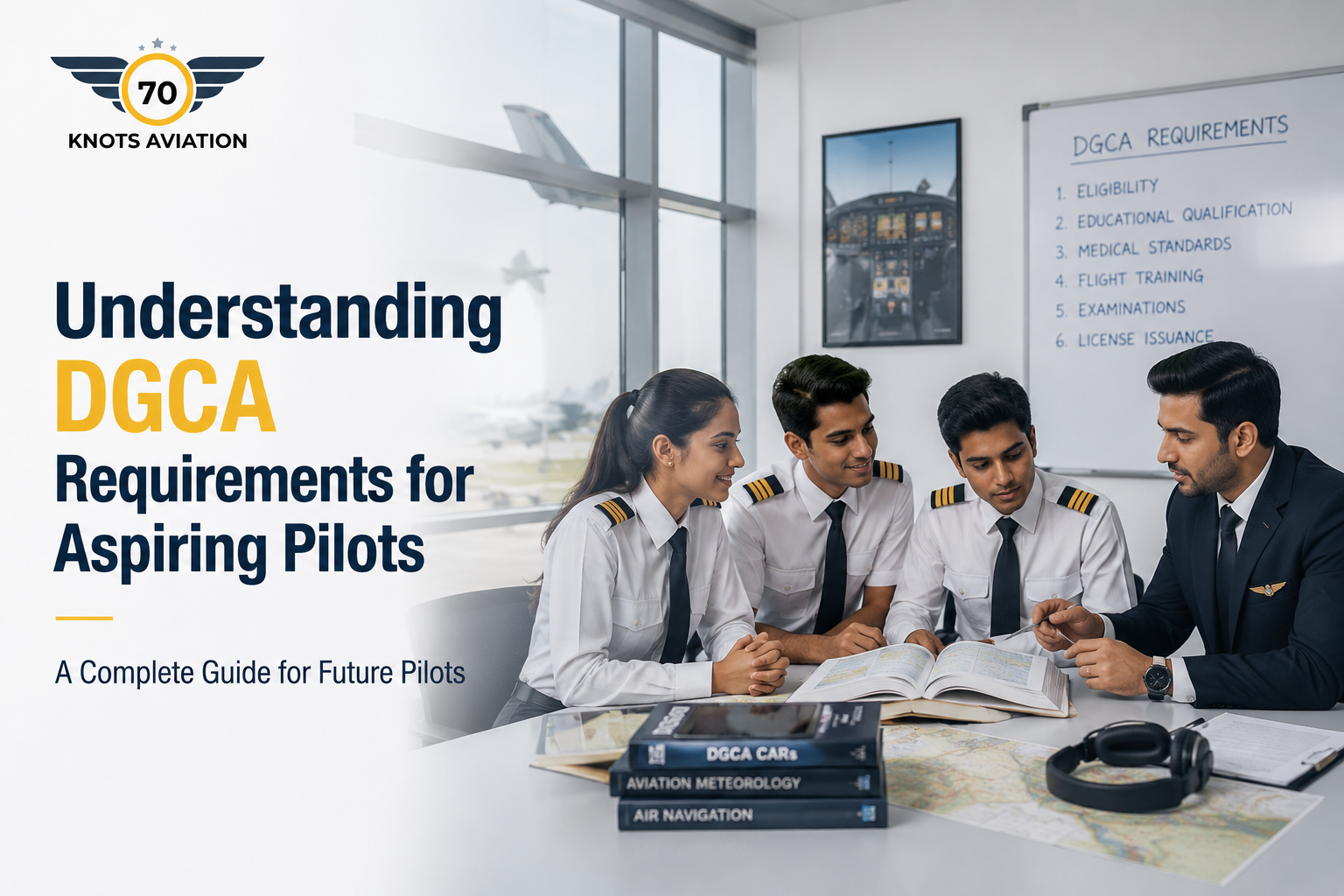
The Directorate General of Civil Aviation regulates civil aviation activities in India. Every aspiring commercial pilot must follow DGCA guidelines.
DGCA ensures that pilots receive proper training and maintain required safety standards.
Important DGCA requirements include:
- Completing approved aviation training
- Passing required theoretical examinations
- Completing medical assessments
- Meeting flying hour requirements
- Maintaining proper documentation
Students should always verify current DGCA guidelines before starting their training because aviation regulations can change over time.
Importance of DGCA Ground Training
Many students focus only on flying hours and underestimate the importance of theoretical learning. However, strong ground knowledge is essential for becoming a safe and confident pilot.
Ground classes help students understand the science behind aviation.
Important topics covered during ground training include:
Air Navigation
Students learn how pilots calculate routes, distances, and flight paths.
Navigation knowledge helps pilots safely operate flights across different locations and weather conditions.
Aviation Meteorology
Weather plays a major role in aviation safety.
Students study:
- Wind patterns
- Weather systems
- Cloud formations
- Flight conditions
Aircraft Technical Knowledge
Pilots must understand how aircraft systems work.
Technical knowledge helps pilots identify problems and make correct decisions during flights.
Choosing quality coaching is important for exam preparation. Students searching for Best DGCA Ground classes in Ramphal Chowk should consider factors such as instructor experience, study material quality, and practical teaching methods.
Choosing the Right Pilot Training Institute
Selecting the right aviation academy is one of the most important decisions for aspiring pilots.
A good institute provides:
- Experienced aviation instructors
- Updated study materials
- Practical learning environment
- Career guidance
- Proper DGCA examination preparation
Students should research different institutes before making a decision.
When comparing options, consider:
Faculty Experience
Experienced instructors can simplify complex aviation topics and provide real-world insights.
Training Support
Students should choose institutes that provide continuous guidance throughout their learning journey.
Learning Environment
A professional classroom environment helps students stay motivated and focused.
Many students looking for the Best Pilot training institute in Delhi compare institutes based on teaching quality, infrastructure, and student support systems.
Pilot Training Cost in India
One of the most common questions among students is about the pilot training cost in India.
The total cost can vary depending on several factors, including:
- Flight school selection
- Aircraft used for training
- Number of flying hours completed
- Additional certifications
- Examination fees
- Accommodation expenses
Generally, becoming a commercial pilot requires a significant financial investment because flight training involves aircraft operations, instructor fees, maintenance costs, and regulatory requirements.
Students should create a proper financial plan before beginning training.
Tips to Manage Training Expenses
- Research multiple aviation institutes
- Understand complete fee structures
- Avoid choosing institutes only based on low prices
- Check training quality and facilities
- Plan additional expenses separately
A clear financial plan helps students complete their training without unnecessary interruptions.
Skills Required to Become a Successful Pilot
Flying an aircraft requires more than technical knowledge. Successful pilots develop various personal and professional skills.
Communication Skills
Pilots communicate with:
- Air traffic controllers
- Cabin crew
- Ground staff
- Other aviation professionals
Clear communication improves flight safety.
Decision-Making Ability
Pilots often need to make quick decisions during changing situations.
Strong decision-making skills help manage challenges effectively.
Discipline and Responsibility
Aviation requires strict adherence to procedures.
Successful pilots maintain discipline regarding:
- Training schedules
- Safety procedures
- Aircraft operations
Problem-Solving Skills
Pilots must analyse situations and find solutions while maintaining safety standards.
Career Opportunities After Becoming a Pilot
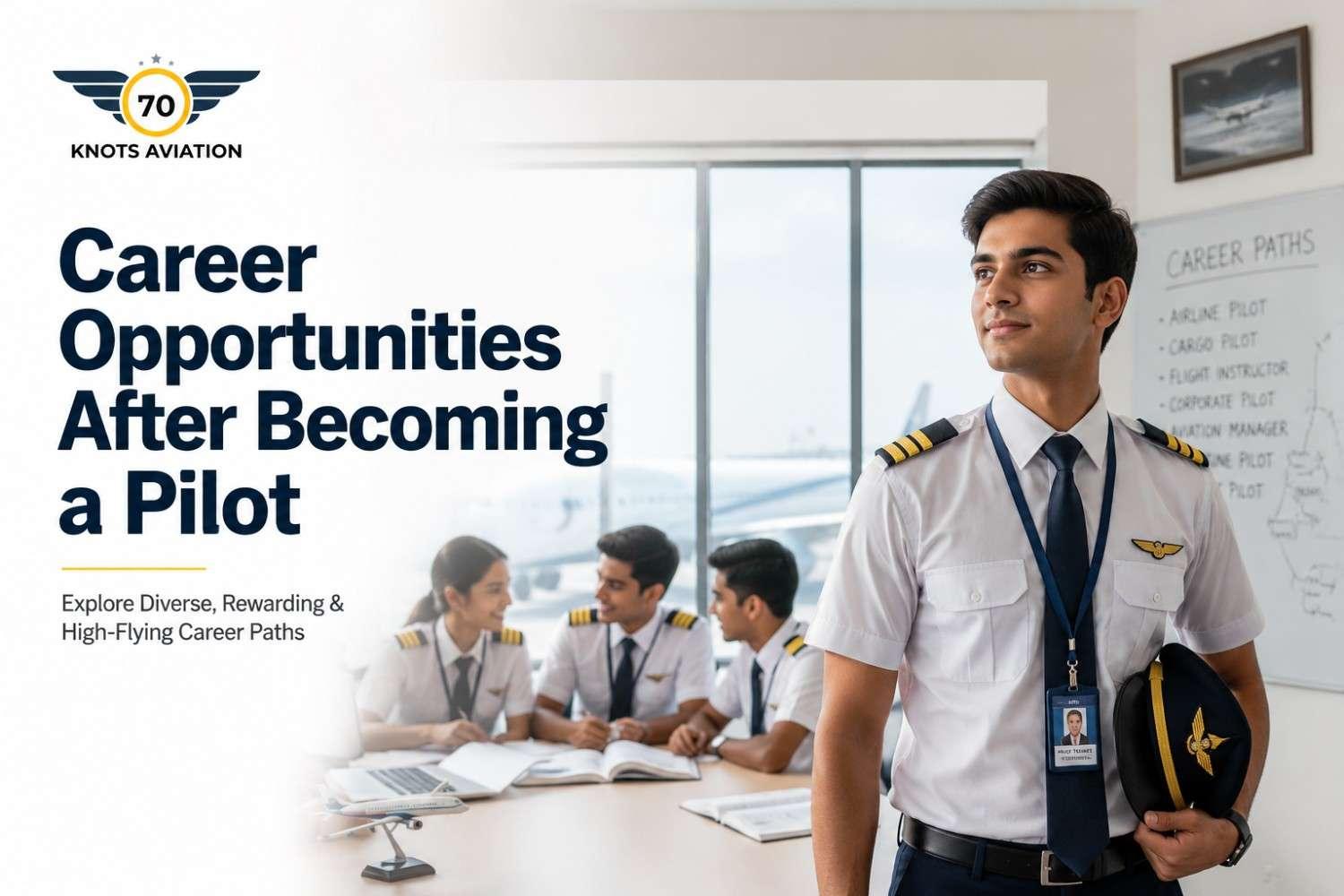
After obtaining a Commercial Pilot License, graduates can explore different aviation career opportunities.
Career options include:
- Commercial airline pilot
- Charter pilot
- Flight instructor
- Corporate aviation pilot
- Aviation consultant
The aviation industry continues to create opportunities as airlines expand their operations and increase connectivity.
However, career growth depends on continuous learning, experience, and maintaining professional standards.
Common Mistakes Students Should Avoid
Many students make mistakes while planning their pilot careers.
Some common mistakes include:
Choosing an Institute Without Research
Students should evaluate training quality rather than selecting an institute only because of advertisements or low fees.
Ignoring Ground Preparation
Flying skills alone are not enough. Strong theoretical knowledge is equally important.
Not Checking Medical Eligibility Early
Completing medical assessments early prevents future complications.
Lack of Career Planning
Students should understand the complete aviation pathway before investing time and money.
Frequently Asked Questions
1. How to become a pilot after 12th in India?
Students can become pilots after 12th by completing Physics and Mathematics requirements, clearing DGCA examinations, completing flight training, and obtaining the required pilot license.
2. How much does pilot training cost in India?
The pilot training cost in India depends on the institute, training duration, aircraft type, and additional expenses. Students should research complete fee structures before joining.
3. Is DGCA exam preparation necessary for becoming a pilot?
Yes, DGCA examinations are an important part of the pilot licensing process. Proper ground training helps students prepare effectively.
4. Which subjects are required to become a pilot?
Students generally need Physics and Mathematics in 10+2 education along with English proficiency.
5. How long does it take to become a commercial pilot?
The duration depends on training progress, examination completion, flying hours, and individual performance.
6. Can students from any stream become pilots?
Students from non-science backgrounds may need to complete required Physics and Mathematics qualifications before starting pilot training.
7. Why is ground training important for pilots?
Ground training builds theoretical knowledge required for safe flight operations and helps students clear aviation examinations.
Conclusion
Becoming a pilot requires dedication, planning, and professional training. Students who understand the complete process can prepare themselves better for a successful aviation career.
From completing educational requirements and clearing DGCA examinations to choosing the right academy and managing the pilot training cost in India, every step plays an important role.
For students exploring how to become a pilot, selecting quality training and developing strong aviation knowledge are essential foundations. With proper guidance, commitment, and consistent effort, aspiring pilots can move closer to achieving their dream of flying professionally.
Institutes like 70 Knots Aviation help students understand the aviation training journey and prepare them with the knowledge required to take the next step toward their pilot career.