Australia’s roads carry millions of registered vehicles at any given time, yet beneath that sprawling network of highways and suburban streets lies a quiet but growing challenge: ageing, damaged, and unroadworthy cars that have long outlived their usefulness. Whether a vehicle has been written off in an accident, rusted beyond repair, or simply accumulated too many kilometres to justify further maintenance, the question of what to do with it becomes an urgent one. Increasingly, Australians are turning to professional vehicle wrecking services to resolve this problem cleanly, responsibly, and without hassle. Searching for motor vehicle wreckers near me has become one of the most practical first steps an Australian car owner can take when dealing with a vehicle that no longer belongs on the road.
This article explores how wreckers contribute to clearing unusable vehicles from Australian roads, why their role matters to both individual owners and the broader environment, and what Australians should understand before engaging these services.
The Scale of the Problem: Unroadworthy Vehicles Across Australia
Every year, a significant number of vehicles reach the end of their serviceable life across Australia. These cars, utes, vans, and trucks may sit idle in driveways, be declared write-offs by insurers, or be abandoned in paddocks and on roadsides. The longer they remain in place, the more damage they can cause. Corroding fuel tanks and leaking engine fluids contaminate surrounding soil. Deteriorating tyres contribute to microplastic runoff. Old batteries release acid and toxic compounds into the ground.
Beyond environmental hazards, unroadworthy vehicles represent wasted resources. Steel, aluminium, copper wiring, catalytic converters, and intact mechanical components all retain genuine value long after a vehicle ceases to function as a whole. Professional wreckers exist precisely to capture that value and redirect it in a way that benefits both the seller and the broader resource economy.
What Vehicle Wreckers Actually Do
A vehicle wrecker, sometimes called a dismantler or auto recycler, is a business that accepts end-of-life vehicles, strips them of usable components, drains and recovers all fluids, and processes the remaining materials for recycling or responsible disposal.
The process typically begins with an assessment. When a wrecker inspects a vehicle, they evaluate which parts retain resale value, whether any fluids need specialist handling, and how the remaining shell should be processed. Functioning parts such as alternators, gearboxes, doors, bonnets, suspension components, and electronic modules are removed, tested where possible, and catalogued for resale. These secondhand parts then enter the used auto parts market, giving other vehicle owners access to affordable replacements that would otherwise cost considerably more if purchased new.
Once all salvageable components have been extracted, the remaining body shell is crushed and sent to a metal recycler, where it is shredded and sorted into ferrous and non-ferrous streams. Steel recovered from vehicles re-enters the manufacturing sector, reducing the demand for virgin ore and significantly lowering the energy required to produce new metal products.
How Wreckers Keep Australian Roads Safer and Cleaner
The contribution wreckers make to road safety is often underappreciated. By facilitating the permanent removal of vehicles that are mechanically unfit, structurally compromised, or otherwise unregistered and abandoned, wreckers effectively reduce the risk of these cars being driven illegally or causing hazards in public spaces.
Local councils and state transport authorities periodically run campaigns targeting abandoned vehicles, but enforcement alone cannot match the volume of cars that fall into disrepair each year. The wrecker network fills that gap, providing a legitimate, financially accessible channel through which owners can surrender vehicles without facing penalties or bureaucratic complexity.
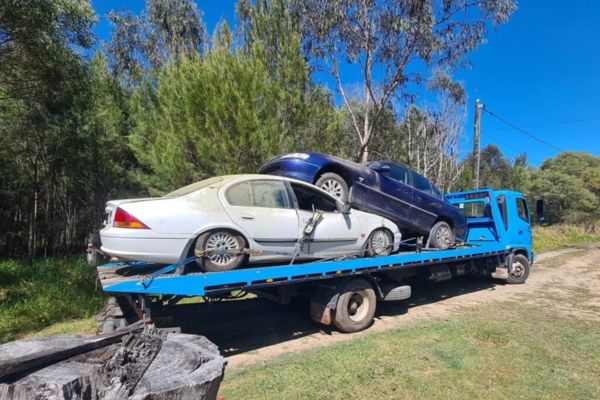
For many Australian car owners, the appeal of this arrangement is straightforward: hand over a vehicle that cannot be registered, driven, or sold privately and receive fair compensation for its material value. Wreckers typically assess the weight of metal, the condition of parts, and the current scrap metal market rate before making an offer. Many services include complimentary towing, which removes one of the most common logistical barriers for owners dealing with a car that cannot be driven.
Adelaide and the Growing Demand for Vehicle Removal Services
South Australia has seen a notable increase in demand for vehicle removal services over recent years, driven by a growing awareness of environmental responsibility and a practical desire among residents to free up space on their properties. Adelaide residents, in particular, have been vocal about seeking efficient and cost-free removal options for vehicles that have been damaged in accidents, floods, or fires.
For those in the South Australian capital and surrounding regions, free wrecked car removal Adelaide services have become a well-known solution. These services allow vehicle owners to have their damaged or non-functional cars collected at no charge, with the wrecker absorbing the transport cost in exchange for the salvage value of the vehicle. This arrangement has made vehicle disposal significantly more accessible to households that might otherwise delay the process due to financial concerns or logistical complications.
The uptake of these services reflects a broader cultural shift in how Australians relate to waste, particularly in the automotive sector. Rather than leaving a written-off car to rust beside a garage or spend years occupying valuable yard space, more residents are choosing to act decisively and use professional dismantling services to close the chapter on an unusable vehicle.
Do I need to deregister my car before contacting a wrecker?
In most Australian states and territories, it is the vehicle owner’s responsibility to notify the relevant road authority when a vehicle is sold or transferred, including when it is transferred to a wrecker. While the wrecker will typically handle the formal disposal documentation once the vehicle is in their possession, the owner should ensure they notify the appropriate licensing or registration authority. In South Australia, for example, owners should advise the Department for Infrastructure and Transport when a vehicle is sold. Wreckers will generally guide customers through any paperwork required at the point of handover.
Will a wrecker take my car if it has no engine or is missing major parts?
Most reputable wreckers in Australia will still accept vehicles that are missing an engine, have had components stripped out, or are otherwise incomplete. The residual value of the body shell as scrap metal, combined with any remaining parts that retain worth, typically makes it worthwhile for the wrecker to proceed with the collection. The offer made for the vehicle will naturally reflect its condition, so owners should be upfront about the state of the car when requesting a quote.
The Environmental Argument for Using Professional Wreckers
Australia is a signatory to various international frameworks aimed at reducing industrial waste and promoting circular economies. The automotive sector plays a meaningful role in achieving these objectives, given the volume of materials contained in a single vehicle.
When a car is disposed of irresponsibly, whether dumped on rural land, buried, or burned, the environmental damage can be substantial. Batteries contain lead and sulphuric acid. Air conditioning systems contain refrigerants classified as potent greenhouse gases. Engine oil, brake fluid, transmission fluid, and coolant are all classified as hazardous waste under Australian legislation and must be handled by licensed processors.
Professional wreckers are equipped and licenced to recover and dispose of all these materials according to applicable environmental standards. The auto recycling industry in Australia diverts millions of tonnes of material from landfill each year, making it one of the more impactful forms of industrial recycling operating domestically.
How do I get a quote from a vehicle wrecker?
Most wreckers in Australia can provide a quote over the phone or via an online enquiry form. To receive an accurate assessment, be prepared to supply the vehicle’s make, model, year of manufacture, overall condition, and whether it is driveable. Many services also ask for the odometer reading and whether the vehicle has been registered recently. Some wreckers send an assessor to inspect the vehicle in person before confirming a final offer. Quotes are generally provided without obligation and at no cost to the owner.
What Happens to the Parts After a Vehicle Is Dismantled?
Salvaged parts from dismantled vehicles are sold through a range of channels. Some wreckers operate walk-in yards where customers can browse and purchase parts directly. Others operate online platforms where parts are listed by vehicle make and model, allowing buyers across the country to source what they need without visiting a physical yard.
This secondhand parts ecosystem provides real economic benefits. Motorists seeking to repair older vehicles, enthusiasts restoring classic cars, and small mechanical workshops looking to reduce parts costs all benefit from access to quality used components. For vehicles that are no longer in production and for which new parts are no longer manufactured, wrecker yards are sometimes the only practical source of genuine replacement parts.
Is it legal to sell a written-off vehicle to a wrecker in Australia?
Yes, selling a written-off vehicle to a licensed wrecker is legal throughout Australia, provided the transaction is conducted correctly. Vehicles recorded on a state or territory’s Written-Off Vehicles Register are generally not eligible for re-registration or re-sale for use on public roads, but they can be legally transferred to a licensed dismantler for parts and scrap. The wrecker must be licenced under the applicable state or territory legislation, and the owner should receive documentation confirming the transfer. It is advisable to retain copies of all paperwork related to the transaction.
Choosing the Right Wrecker: What Australian Consumers Should Look For
Not all vehicle wreckers operate to the same standard. When selecting a service, Australians should look for businesses that hold the appropriate licences under state or territory legislation, have a clear and transparent pricing process, offer complimentary vehicle collection, and can provide documentation confirming proper disposal of the vehicle and its hazardous components.
Word of mouth, online reviews, and industry affiliations can all provide useful signals about the reliability and professionalism of a given operator. Established wreckers with physical premises and a track record in their local market are generally a safer choice than unverified operators who may not comply with environmental or consumer protection standards.
Can I sell a flood-damaged car to a wrecker?
Flood-damaged vehicles are among the most commonly submitted cars at Australian wrecking yards, particularly following cyclone seasons and major weather events in Queensland, New South Wales, and other flood-prone regions. Wreckers will typically accept flood-damaged vehicles regardless of whether they are operational. The offer will account for water damage to electrical systems and the potential presence of mould or contaminants, but the structural metal and any surviving mechanical components still hold value. Owners of flood-damaged vehicles should disclose the full extent of the damage when requesting a quote.
The Bigger Picture: Wreckers as Part of Australia’s Circular Economy
The vehicle wrecking industry is not simply a disposal service. It is a functioning component of Australia’s resource recovery infrastructure. By diverting end-of-life vehicles from landfill, recovering hazardous materials safely, redistributing usable parts, and returning raw materials to the manufacturing chain, wreckers contribute to the kind of circular economic activity that reduces Australia’s overall resource consumption.
As electric vehicles become more prevalent on Australian roads, the industry is also adapting to handle high-voltage battery packs, electric motors, and the novel materials used in EV construction. This evolution ensures that the wrecker sector will remain relevant and valuable well into the future, serving as a responsible endpoint for vehicles powered by tomorrow’s technology just as effectively as it does for the combustion-engine vehicles of today.
For any Australian car owner facing the question of what to do with a vehicle that has reached the end of its road, engaging a reputable wrecker is the most responsible, practical, and economically sensible answer available.