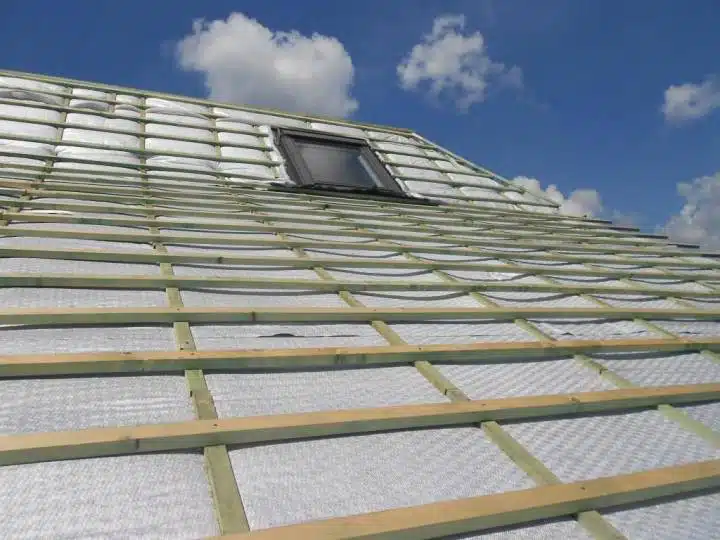
Your building requires a membrane roofing system when you notice persistent water ponding, recurring leaks, or a sharp rise in energy costs. These systems provide a continuous waterproof barrier that is especially effective for flat or low-slope structures in the Pacific Northwest. If your current roof is over twenty years old or shows signs of visible cracking, it is time to evaluate a more durable solution.
Eugene experiences roughly 47 inches of rain per year, which is significantly higher than the national average. This constant moisture puts immense pressure on traditional roofing materials that rely on overlapping shingles or seams. Experienced roofing professionals recognize that standard materials often fail under these conditions, leading to internal rot and mold growth. This guide covers the specific indicators that suggest your commercial or residential property needs an upgrade to modern membrane roofing solutions.
Identifying persistent water leaks and interior damage
One of the most obvious signs that your current setup is failing is the presence of water stains on your ceiling or walls. While a single leak might be repairable, multiple leaks across different areas suggest the structural integrity of the roof material is gone. In many cases, water travels far from the original entry point, making it difficult to find the source without professional membrane roofing services.
- Look for discolored patches on ceiling tiles or drywall
- Check for a musty odor that persists even after cleaning
- Watch for bubbling paint or peeling wallpaper near the roofline
- Inspect your attic for damp insulation or wood rot
Water damage often starts small but grows quickly in the humid Oregon climate. If you find yourself placing buckets every time a storm rolls through, your building is telling you that the current barrier is no longer effective.
Addressing the problem of ponding water on flat surfaces
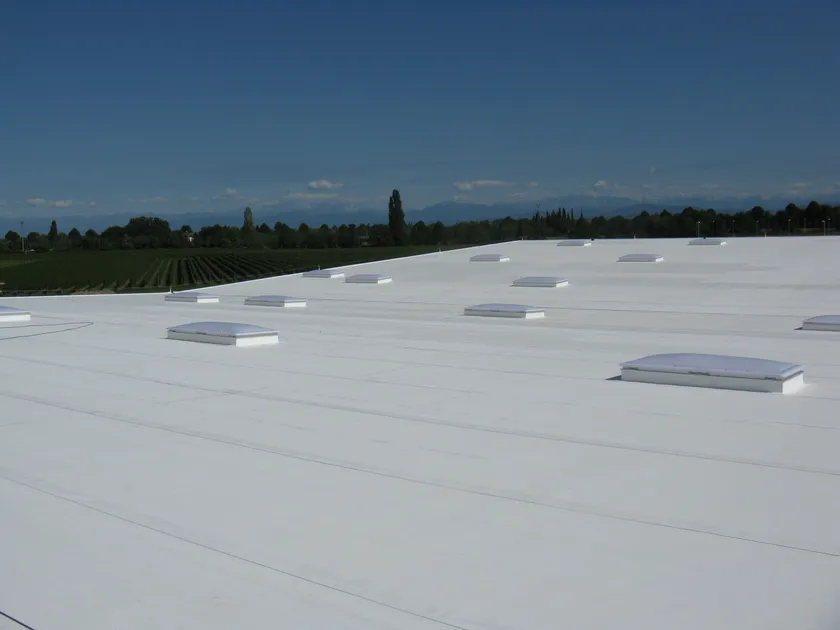
Ponding water occurs when rain sits on a roof for more than 48 hours without evaporating or draining. This is a common issue for flat roofs in Eugene because the heavy rainfall often exceeds the capacity of older drainage systems. The weight of this water can cause the roof deck to sag, which creates even deeper pools and a cycle of further damage.
- Measure how long water remains after a typical rain shower
- Look for rings of dirt or silt left behind by evaporated pools
- Identify areas where the roof surface feels soft or spongy underfoot
- Check if drains and scuppers are positioned at the lowest points
A high-quality membrane roofing system is designed to handle standing water much better than traditional built-up roofs. The heat-welded or chemically bonded seams create a single sheet of protection that prevents water from seeping through the gaps.
Evaluating rising energy bills and poor thermal regulation
If your heating and cooling costs are climbing without a change in utility rates, your roof might be the culprit. Older roofing materials often absorb heat during the summer and allow it to escape during the Eugene winters. Modern membranes, especially those in white or light gray, reflect sunlight and provide better thermal resistance.
- Compare your energy bills from the last three years to spot trends
- Feel the temperature of the ceiling on a hot afternoon
- Check if your HVAC system is running constantly to maintain comfort
- Look for “hot spots” in certain rooms that are harder to cool
Data shows that reflective membrane roofs can reduce a building’s cooling requirements by up to 40 percent. This makes them a smart financial choice for business owners looking to lower long-term operating costs while improving the comfort of their tenants or employees.
Comparing different membrane roofing materials
When you decide to upgrade, you have several options depending on your budget and building needs. The most common types are TPO, PVC, and EPDM. Each has specific strengths regarding chemical resistance, lifespan, and installation methods.
| Material Type | Average Lifespan | Primary Benefit | Best For |
|---|---|---|---|
| TPO (Thermoplastic Polyolefin) | 15 to 20 Years | High reflectivity and heat-welded seams | Commercial buildings with high sun exposure |
| PVC (Polyvinyl Chloride) | 20 to 30 Years | Resistant to chemicals, oils, and fire | Restaurants and industrial facilities |
| EPDM (Rubber) | 25 to 35 Years | Durable in cold climates and easy to repair | Large warehouses and residential flat roofs |
Bonus Tip: In Eugene, moss growth is a major concern. Choosing a smooth membrane like PVC or TPO makes it much harder for moss to take root compared to gravel-surfaced roofs.
Spotting physical wear and tear on existing materials
You should perform a visual inspection of your roof at least twice a year. On a traditional roof, you might see cracks, blisters, or “alligatoring,” where the surface looks like cracked leather. These are signs that the bitumen or asphalt has dried out and become brittle due to UV exposure and temperature swings.
- Search for cracks larger than a hairline in the top layer
- Note any areas where the surface is bubbling or lifting
- Look for loose flashing around chimneys, vents, and skylights
- Check for missing granules or thinning spots on the membrane
When these signs appear, the material can no longer expand and contract with the weather. This brittleness leads to immediate leaks during the first freeze-thaw cycle of the winter.
How do you know when a replacement is better than a repair?
Deciding between a patch job and a full replacement depends on the extent of the damage and the age of the system. If more than 25 percent of your roof is damaged, a replacement is usually more cost-effective. Constant repairs add up quickly and rarely solve the underlying issues of a failing system.
- Assess the frequency of repairs over the last two years
- Calculate the total cost of past patches versus a new installation
- Determine if the insulation underneath the roof is wet or dry
- Consult with providers of membrane roofing services for a professional assessment
Industry statistics suggest that TPO roofing now accounts for over 40 percent of the commercial roofing market. This popularity is due to its balance of cost and performance. If your current roof requires annual maintenance just to stay dry, switching to a modern membrane can save thousands of dollars over the next decade.
Factors to evaluate before choosing a new roofing system
Before you sign a contract, consider the specific environment surrounding your building. Eugene has a lot of trees, which means more debris and shade. These factors influence which membrane will perform best for you.
- Sun Exposure: High UV areas benefit from reflective TPO or PVC.
- Chemical Exposure: Restaurants with grease vents should prioritize PVC.
- Foot Traffic: If you have heavy equipment on the roof, a thicker membrane is needed.
- Budget: EPDM is often the most affordable upfront, while PVC offers longer life.
Bonus Tip: Ask your installer about the thickness of the membrane. While 45-mil is standard, upgrading to 60-mil or 80-mil can significantly extend the life of the roof and provide better puncture resistance.
Understanding the installation process in the Oregon climate
The timing of your installation is important in the Pacific Northwest. While some membrane roofing solutions can be installed in damp conditions, most require a dry surface for proper bonding or welding. Planning your project during the late spring or summer ensures the best results and prevents moisture from being trapped under the new layer.
- Schedule inspections during the dry months of July through September
- Ensure the contractor uses moisture meters before laying new material
- Verify that all old, wet insulation is removed before the new roof goes down
- Confirm that the drainage system is cleaned and tested during installation
Summary of key roof health indicators
Maintaining a dry building requires a proactive approach to roof management. By catching the signs of failure early, you can prevent costly structural damage and maintain a safe, comfortable interior environment. A membrane roofing system offers a reliable way to protect your investment from the heavy rains and fluctuating temperatures common in Eugene. Pairing your roofing system with professional insulation solutions in Eugene, OR can further improve energy efficiency, regulate indoor temperatures, and provide an added layer of protection against moisture, helping your building perform at its best year-round.
Pay close attention to your energy bills and the physical condition of your roof surface. If you see ponding water or frequent leaks, it is time to move away from outdated materials. Choosing the right membrane involves looking at your building’s specific needs, from chemical resistance to thermal performance.
Find the right support for your building projects
When you are ready to improve your building’s protection, working with a local expert makes a significant difference. All Foam & Insulation provides professional assistance for those needing reliable membrane roofing services. They understand the unique challenges of the Eugene climate and can help you select the best materials for your specific structure. Whether you need insulation updates or a full roof replacement, you can reach out to them at (541) 826-9600 or via email at [email protected] for a free quote. They are located in the region and have extensive experience with both residential and commercial properties.
Are you concerned about your roof’s performance?
How long does a typical membrane roof last in Eugene?
Most systems last between 20 and 30 years, depending on the material and maintenance. Regular cleaning to remove moss and debris can extend this lifespan significantly in the Oregon climate.
Can a membrane roof be installed over an existing roof?
In many cases, a new membrane can be installed over one layer of old roofing if the underlying structure is dry. This saves on labor and disposal costs while adding an extra layer of protection.
Is a white roof a good idea for the Pacific Northwest?
Yes, even in cooler climates, a reflective white roof helps manage indoor temperatures during the summer. It also makes it much easier to spot leaks or debris compared to dark surfaces.
How do I maintain a membrane roofing system?
You should clear the drains every fall and spring and inspect the seams for any signs of lifting. Avoiding sharp objects and limiting foot traffic will also prevent accidental punctures.
Does moss damage membrane roofs?
Moss is less damaging to membranes than to shingles, but it can still trap moisture and debris. Keeping the surface clean prevents biological growth from clogging your drainage system.