Selling a car in today’s market is not only about finding a buyer. It also involves understanding how demand shifts, how pricing is shaped, and what rules apply in your region. In Australia, used car activity changes with fuel costs, repair availability, and buyer interest in older vehicles. Many sellers rush into decisions without checking important points, which can affect the outcome of the sale.
This article explains key areas to consider before you sell a car, including market patterns, paperwork, inspection steps, and disposal options. It also covers how the process works when dealing with damaged or unwanted vehicles.
Understanding Current Market Conditions
The used car market in Australia moves based on several factors. Fuel prices can affect interest in small or large vehicles. When fuel prices rise, smaller cars often receive more attention. When prices stabilise, larger vehicles may see increased activity.
Supply of new cars also plays a role. Delays in manufacturing or shipping can increase interest in used cars. When new stock is limited, older vehicles may stay in demand for longer periods.
Condition of the car is another factor. Vehicles with fewer mechanical problems tend to attract more attention, while damaged or non-running cars are often directed toward dismantling or recycling channels.
If you are looking to remove an unwanted vehicle in Lonsdale, this page explains how the process works: https://www.carremovaladelaide.com.au/car-removal-lonsdale/
Factors That Influence Car Pricing
Several elements affect the amount offered for a vehicle:
- Age of the car
- Distance travelled
- Mechanical condition
- Accident history
- Service records
- Demand for the model
- Availability of spare parts
Cars with complete service records usually receive more interest from buyers who want proof of maintenance history. Vehicles with missing records may still sell, but the evaluation process often becomes more detailed.
Accident history also matters. Structural damage can reduce interest from private buyers, but scrap yards and recycling operations may still assess the car based on metal content and reusable parts.
Paperwork and Legal Requirements
Before transferring ownership, certain documents are required in Australia. These usually include:
- Proof of ownership
- Registration papers
- Identification documents
- Transfer of ownership forms
It is important to confirm that all details match government records. Incorrect information can delay the process or cause rejection during transfer.
If registration is still active, cancellation or transfer rules vary depending on the state. In most cases, sellers must inform the transport authority once the vehicle is sold.
Vehicle Inspection and Condition Check
Buyers often assess a car through inspection. This step helps determine mechanical and physical condition.
Common inspection points include:
- Engine performance
- Transmission condition
- Brake system
- Tyres and suspension
- Exterior body condition
- Interior wear
Even small issues can affect interest from private buyers. For older cars, inspectors may focus more on structural condition rather than cosmetic appearance.
For vehicles that do not run, inspection usually shifts toward parts recovery potential and scrap material estimation.
Timing in the Selling Process
Timing can influence how quickly a car changes ownership. Seasonal shifts can affect buyer activity. For example, demand for certain vehicle types may rise during holiday travel periods.
End-of-year periods can also affect market activity as buyers adjust budgets and plan purchases for the following year.
Waiting too long without action can reduce interest if the car continues to depreciate or develops additional mechanical issues.
Common Issues Sellers Face
Many sellers face similar challenges during the process:
- Overestimating vehicle condition
- Missing documents
- Delayed responses from buyers
- Unclear pricing expectations
- Mechanical faults discovered during inspection
Understanding these points early can reduce delays. It is also important to be realistic about condition rather than relying on past performance or appearance alone.
Environmental Considerations in Vehicle Disposal
Old vehicles can contain fluids and materials that require controlled handling. Engine oil, coolant, brake fluid, and battery components must be managed properly.
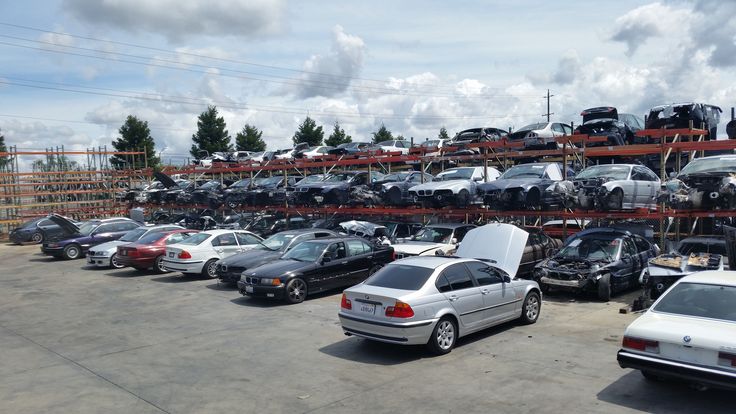
In Australia, recycling facilities follow regulated procedures for dismantling vehicles. Usable parts are separated, and metals such as steel and aluminium are processed for reuse. This reduces waste sent to landfill.
Car recycling also helps recover materials that can be used in manufacturing new components. This process supports resource recovery in the automotive sector.
Selling Channels Available
There are several ways to sell a car:
- Private sale to individual buyers
- Trade-in at a dealership
- Auction platforms
- Scrap and dismantling yards
Private sales may take longer due to negotiation and inspection steps. Dealership trade-ins often involve replacing the vehicle with another purchase. Auction platforms expose the car to multiple buyers but may involve waiting periods.
Scrap and dismantling channels are often used for vehicles that are damaged, old, or no longer roadworthy.
Legal Transfer and Payment Process
Once a buyer is found, ownership transfer must be completed. This includes signing transfer documents and submitting them to the relevant authority.
Payment methods vary depending on the buyer. Bank transfer is commonly used due to record tracking. Cash transactions may also occur but should be handled with care and proper documentation.
It is important to confirm that the transfer is recorded to avoid future responsibility for the vehicle.
Market Trends Affecting Older Vehicles
Older vehicles are often affected by parts availability and maintenance costs. When parts become harder to find, repair costs increase, which can reduce private buyer interest.
At the same time, scrap metal demand can support the value of older cars even when they are no longer roadworthy. Metal recycling industries often adjust rates based on global metal demand.
Vehicles with reusable components such as engines, gearboxes, or panels may still hold value in dismantling markets.
Practical Steps Before Selling
Before listing a car for sale, the following steps can be taken:
- Gather all documents
- Check vehicle condition
- Remove personal belongings
- Clean basic interior areas
- Confirm registration status
- Compare recent market listings
These steps help clarify the position of the vehicle in the current market.
Service Mention for Local Vehicle Disposal
When a vehicle is no longer suitable for private sale or continued use, some owners look for removal options within their region. In such cases, Car Removal Adelaide provides a process where vehicles can be collected after basic details are shared. This service is often used for cars that are not running, damaged, or no longer needed. The process also covers vehicles that may still have usable parts or recyclable materials, depending on their condition, read more!
Conclusion
Selling a car in today’s market requires attention to condition, documentation, timing, and available selling channels. Each factor influences how the process develops and what outcomes are possible.
Understanding market movement, preparing paperwork, and reviewing vehicle condition can reduce delays during sale. Whether the car is in running condition or not, different pathways exist for disposal or transfer, depending on its state and remaining usability.