Clay Mandala Art: 7 Easy Steps to Create Beautiful Craft
Introduction
Clay Mandala Art
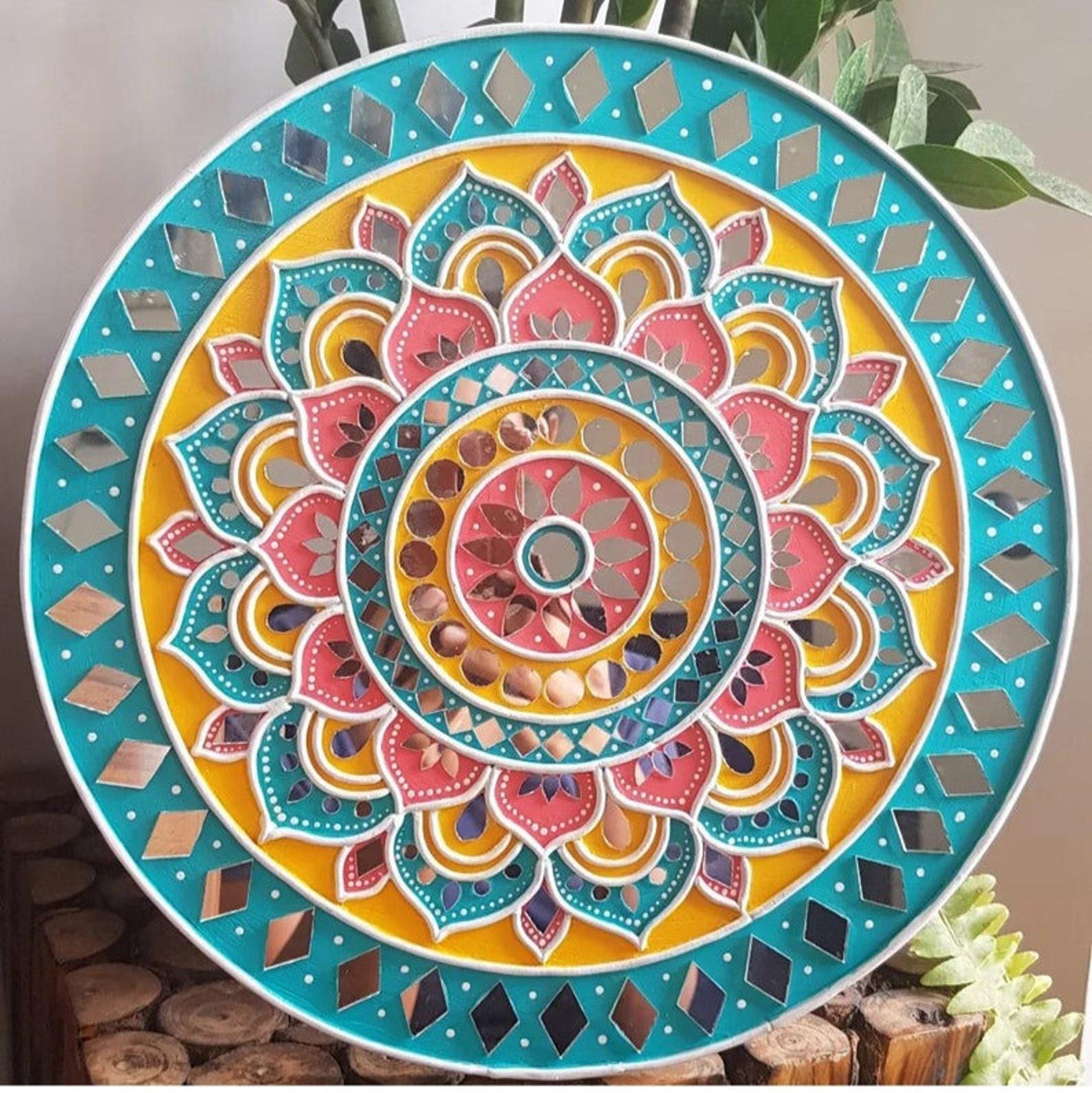
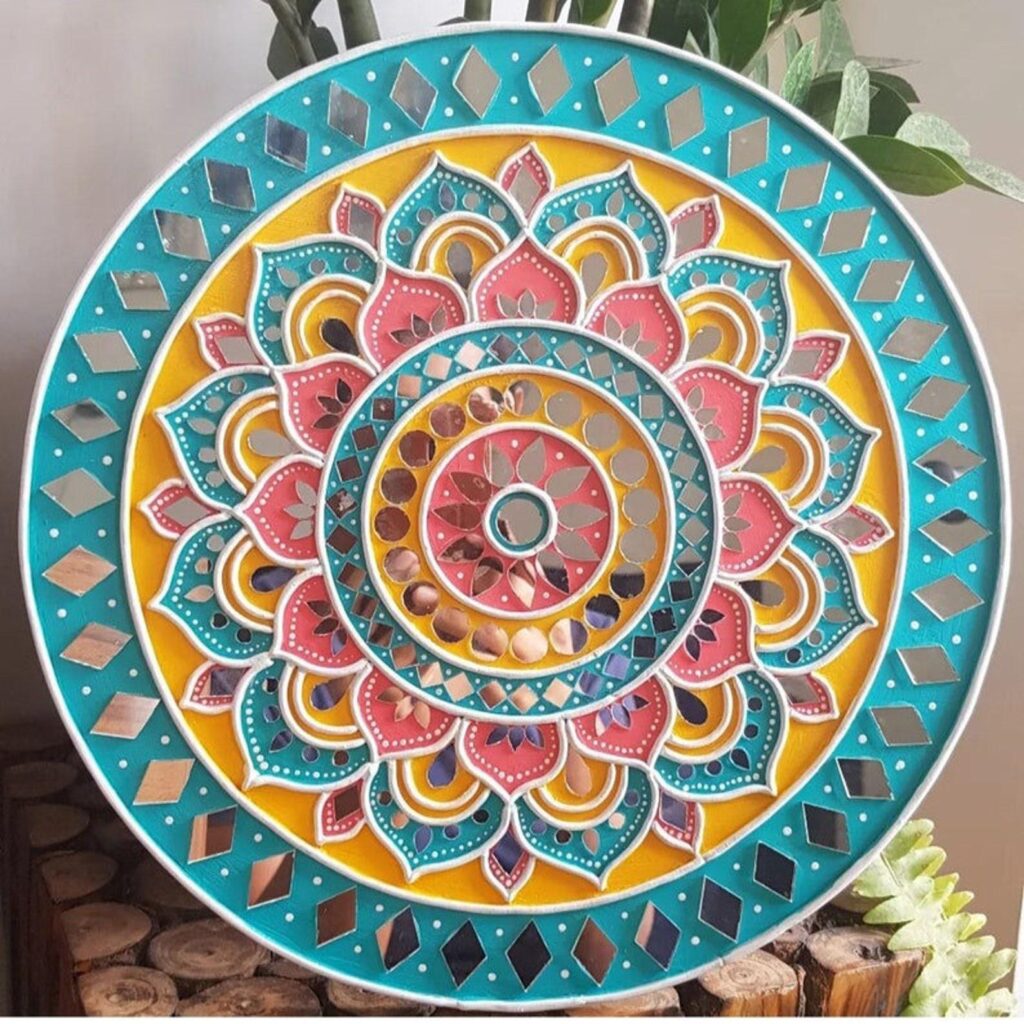
Art has always been one of the most beautiful ways for people to express their emotions, creativity, and imagination. Among the countless art forms practiced around the world, mandala art has earned a special place because of its mesmerizing patterns and calming effect. When combined with clay, this ancient artistic tradition becomes even more fascinating. Clay mandala art blends sculpting, carving, and painting into a single creative experience, resulting in stunning handmade décor pieces that are both meaningful and visually appealing.
Unlike drawing on paper or canvas, clay mandala art introduces texture and depth, making every design unique. Whether you’re creating decorative wall hangings, coasters, ornaments, or personalized gifts, working with clay allows you to transform simple materials into intricate masterpieces.
One of the biggest reasons behind the growing popularity of clay mandala art is its accessibility. You don’t need to be a professional artist to begin. With just a few basic tools, some patience, and a willingness to learn, anyone can create beautiful mandalas. This hobby is suitable for children, adults, beginners, hobbyists, and even experienced artists looking to explore a new medium.
In this comprehensive guide, you’ll learn everything you need to know about clay mandala art—from its history and materials to detailed step-by-step instructions, expert tips, creative ideas, and the many benefits it offers.
What Is Clay Mandala Art?
A mandala is a geometric design made from repeated patterns arranged around a central point. The word mandala comes from the ancient Sanskrit language and translates to “circle.” Traditionally, mandalas have been used in Hinduism and Buddhism as symbols of harmony, balance, and the universe.
Clay mandala art adapts these intricate circular patterns onto clay surfaces. Instead of drawing with pens or paints alone, artists sculpt, carve, emboss, and paint directly onto clay to create textured, three-dimensional designs.
Finished clay mandalas can be displayed as:
- Wall decorations
- Decorative plates
- Coasters
- Candle holders
- Jewelry
- Keychains
- Festival decorations
- Refrigerator magnets
- Gift items
- Table centerpieces
Every piece is unique because it reflects the creativity and personal style of its maker.
The History of Mandala Art
Mandalas have existed for thousands of years across many cultures. They are most commonly associated with Hindu and Buddhist traditions, where monks created intricate sand mandalas as part of meditation and spiritual rituals.
These elaborate artworks often took several days or even weeks to complete. Interestingly, after completion, many sand mandalas were intentionally destroyed to symbolize the temporary nature of life and the importance of letting go.
Over time, mandala patterns expanded beyond religious practices and became a popular artistic medium used in painting, textiles, architecture, pottery, and now, clay art.
Today, clay mandala art combines this timeless symbolism with modern craft techniques, allowing artists to create decorative pieces that celebrate both tradition and creativity.
Why Is Clay Mandala Art Becoming So Popular?
In recent years, social media platforms such as Instagram, Pinterest, and YouTube have introduced millions of people to handmade crafts. Clay mandala art has particularly gained attention because of its calming process and visually satisfying results.
Some reasons for its popularity include:
- Easy to learn
- Affordable materials
- Endless design possibilities
- Suitable for beginners
- Excellent stress-relieving activity
- Beautiful handmade home décor
- Perfect for gifting
- Opportunity to start a small handmade business
Many people also enjoy watching the symmetrical patterns gradually come to life, making the creative process as enjoyable as the finished artwork
Materials You’ll Need
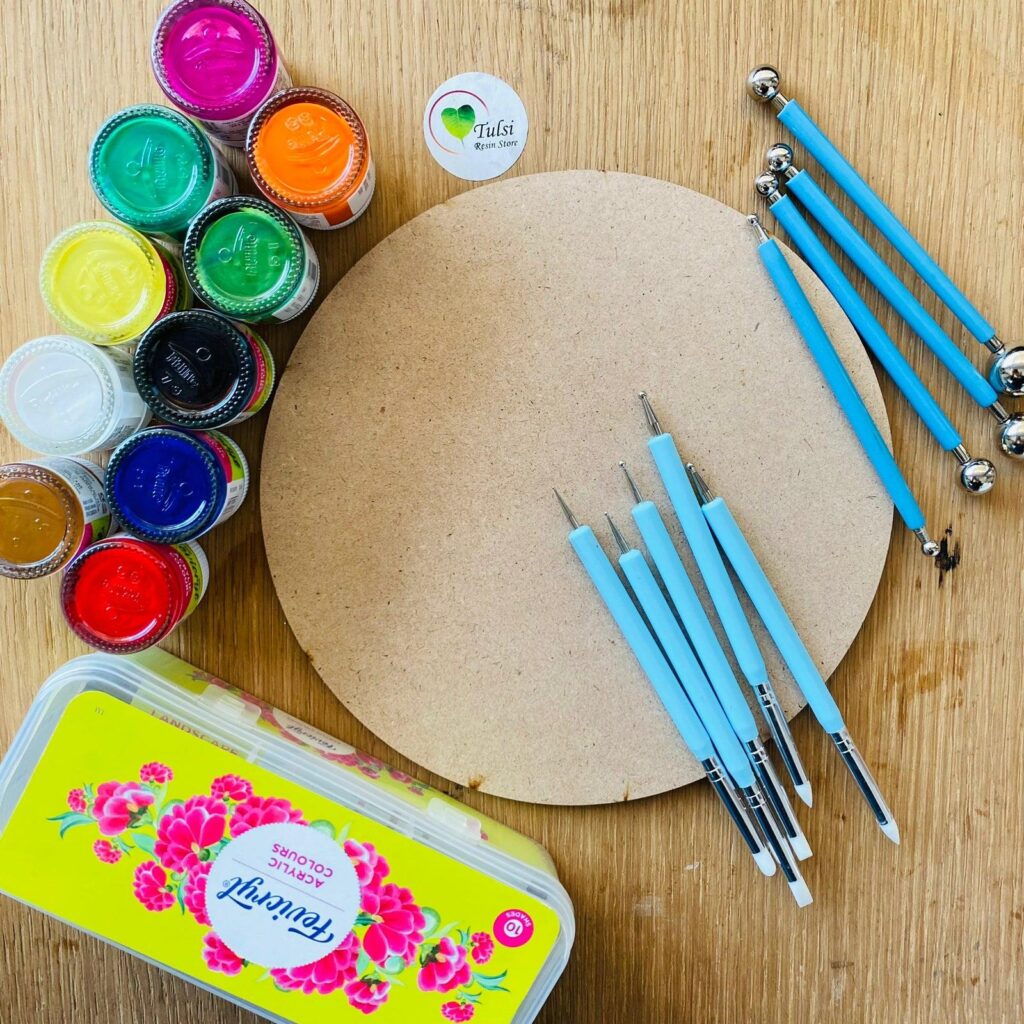
Before beginning your first clay mandala project, gather the following materials:
Clay
Air-dry clay is ideal for beginners because it hardens naturally without requiring a kiln or oven.
Polymer clay is another excellent choice but requires baking according to the manufacturer’s instructions.
Rolling Pin
Used to flatten the clay evenly before carving.
Clay Sculpting Tools
These tools help carve intricate patterns, create textures, and smooth edges.
Dotting Tools
Dotting tools create the signature raised dots commonly seen in mandala designs.
Acrylic Paints
Choose vibrant colors that contrast well with one another.
Popular combinations include:
- Blue & Gold
- Black & White
- Purple & Silver
- Pink & Teal
- Rainbow Colors
- Earth Tones
Paintbrushes
Use different brush sizes for base coating and fine detailing.
Clear Acrylic Varnish
Protects the artwork and gives it a glossy or matte finish.
Sponge & Water
Useful for smoothing rough clay edges before drying.
Choosing the Right Clay
Not every clay behaves the same way.
Air-Dry Clay
Advantages
- No oven required
- Beginner-friendly
- Affordable
- Easy to paint
Polymer Clay
Advantages
- Strong after baking
- Smooth finish
- Excellent durability
Ceramic Clay
Best suited for experienced artists because it requires kiln firing.
For beginners, air-dry clay is usually the easiest and most accessible option.
Preparing Your Workspace
A clean and organized workspace makes crafting more enjoyable.
Choose:
- A flat table
- Good lighting
- Comfortable seating
- A non-stick work mat
- Small containers for tools
Keeping your materials within reach allows you to focus entirely on your design.
Step-by-Step Guide to Making Clay Mandala Art
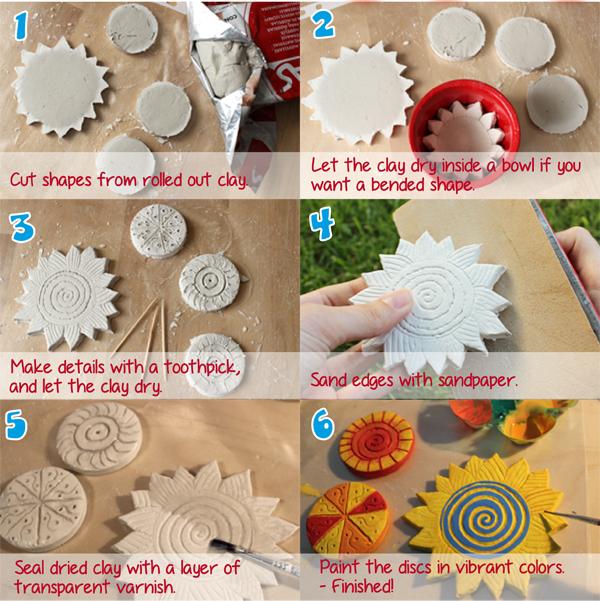
Step 1: Knead the Clay
Begin by kneading the clay thoroughly.
This removes trapped air bubbles and makes the clay soft, smooth, and easier to shape.
If the clay feels dry, lightly dampen your hands before kneading.
Step 2: Roll Out the Clay
Place the clay on a clean work surface.
Use a rolling pin to flatten it evenly to approximately 5–8 mm thickness.
Maintaining an even thickness prevents cracking during drying.
Step 3: Cut the Desired Shape
Use a circular cutter or bowl to create the base.
Although circles are traditional, you can also create:
- Squares
- Hearts
- Leaves
- Hexagons
- Floral shapes
Step 4: Smooth the Edges
Carefully smooth all edges using your fingers or a damp sponge.
This small step significantly improves the final appearance.
Step 5: Plan the Mandala Design
Before carving, lightly sketch guide circles.
These guidelines help maintain symmetry throughout the artwork.
Many artists begin with:
- Center dot
- First ring
- Second ring
- Outer decorative border
Working layer by layer creates balanced designs.
Step 6: Carve the Patterns
Using sculpting tools, create:
- Petals
- Leaves
- Dots
- Spirals
- Curves
- Geometric lines
- Floral motifs
Always work from the center outward.
This approach naturally improves symmetry.
The Therapeutic Benefits of Clay Mandala Art
In today’s fast-paced world, finding time to relax and disconnect from daily responsibilities has become increasingly important. Clay mandala art offers more than just an opportunity to create beautiful decorative pieces—it provides a peaceful escape from the pressures of everyday life. The slow and repetitive process of shaping clay, carving intricate patterns, and carefully painting each section encourages mindfulness, allowing artists to focus entirely on the present moment.
Unlike many hobbies that require constant multitasking or quick decision-making, creating a clay mandala invites you to slow down. As you repeat symmetrical patterns and carefully place each dot or petal, your mind naturally becomes calmer. This focused attention often helps reduce stress, anxiety, and mental fatigue. Many people describe the experience as similar to meditation because it encourages deep concentration and quiet reflection.
Art therapists also recognize the benefits of working with clay. The tactile sensation of kneading, rolling, and sculpting clay provides a sensory experience that can be both comforting and grounding. For many individuals, simply working with their hands helps improve emotional well-being and creates a sense of inner peace.
How Clay Mandala Art Enhances Creativity
Creativity is like a muscle—the more you exercise it, the stronger it becomes. Clay mandala art challenges you to think beyond conventional designs by experimenting with different shapes, patterns, textures, and color combinations. Every project begins with a blank piece of clay, giving you complete freedom to create something entirely unique.
As your skills improve, you’ll naturally begin exploring new techniques. You might combine floral motifs with geometric patterns, experiment with metallic paints, or incorporate beads, mirrors, or textured elements into your designs. These creative choices help develop artistic confidence and encourage innovative thinking.
One of the greatest advantages of clay mandala art is that there are no strict rules. While traditional mandalas emphasize symmetry, modern artists often add their own interpretations, resulting in designs that reflect their individual personalities. This freedom allows both beginners and experienced artists to continuously learn and evolve.
A Hobby That Builds Patience and Discipline
Creating detailed mandala artwork cannot be rushed. Each layer, carved line, and painted dot requires careful attention and precision. This naturally teaches patience—a valuable skill that extends beyond art into everyday life.
Beginners often feel tempted to finish their projects quickly, but successful clay mandala artists understand that quality comes from taking one step at a time. Allowing the clay to dry properly, waiting for paint to cure before adding additional layers, and carefully applying protective varnish all require discipline and self-control.
These habits gradually become part of your creative process, helping you appreciate the value of consistency and persistence. Over time, you learn that the most impressive artwork isn’t created through speed but through careful craftsmanship.
Developing Fine Motor Skills and Hand-Eye Coordination
Clay mandala art is also an excellent activity for improving fine motor skills. Rolling clay evenly, carving delicate patterns, using dotting tools, and painting detailed designs all require controlled hand movements and precision.
These activities strengthen hand muscles while improving coordination between your eyes and hands. This makes the hobby particularly beneficial for children developing motor skills, adults seeking creative recreation, and older individuals looking to maintain dexterity.
Even simple tasks like placing evenly sized dots around a circle require concentration and control. As your coordination improves, you’ll notice greater confidence in handling intricate details and more consistent results in your artwork.
Learning the Value of Imperfection
One of the most meaningful lessons clay mandala art teaches is that perfection isn’t always necessary for beauty. While symmetry is important in mandala design, small variations often add character and uniqueness to the finished piece.
Every handmade creation carries tiny imperfections that remind us it was crafted by human hands rather than manufactured by machines. These subtle differences make each artwork one of a kind.
Instead of becoming discouraged by mistakes, many artists learn to embrace them as part of the creative journey. An unexpected texture, a slightly uneven dot, or a unique color blend can sometimes become the most attractive feature of the entire design.
This mindset encourages self-acceptance and reduces the fear of making mistakes, both in art and in life.
An Affordable Hobby Anyone Can Start
Unlike many artistic hobbies that require expensive equipment or specialized training, clay mandala art is surprisingly affordable. Most beginner projects require only a few basic materials such as air-dry clay, sculpting tools, acrylic paints, and a protective varnish.
Many of these supplies are reusable, making future projects even more economical. Beginners can gradually expand their collection of tools and paints as their skills develop, allowing them to explore more advanced techniques without a significant financial investment.
Because of its accessibility, clay mandala art is suitable for students, working professionals, homemakers, retirees, and anyone looking for a relaxing creative outlet. Regardless of age or artistic background, anyone can enjoy the satisfaction of transforming a simple piece of clay into a beautiful work of art.
Clay Mandala Art as a Family Activity
One of the greatest strengths of clay mandala art is that it can be enjoyed by people of all ages. Whether you’re creating artwork alone or spending quality time with family and friends, this hobby brings people together through creativity. Parents can introduce children to simple clay projects, while older family members can experiment with more detailed mandala patterns. Working together on creative projects encourages communication, teamwork, and shared learning experiences.
Creating clay mandalas as a family also offers a healthy alternative to excessive screen time. Instead of spending hours on phones, tablets, or television, everyone can participate in designing, sculpting, and painting unique pieces of art. The process is enjoyable, educational, and leaves each participant with a handmade keepsake that can be proudly displayed at home.
Seasonal celebrations and festivals are also excellent opportunities to enjoy this craft together. Handmade clay mandalas can be created for Diwali decorations, Christmas ornaments, birthdays, weddings, or personalized gifts for loved ones. These shared creative moments often become cherished family memories.
Educational Benefits for Children
Clay mandala art is more than just an enjoyable pastime for children—it is an excellent learning activity. Working with clay helps develop fine motor skills, finger strength, and hand-eye coordination. Rolling, pressing, carving, and painting require precision and control, which contribute to overall physical development.
Designing symmetrical mandalas also introduces children to important mathematical concepts such as shapes, patterns, repetition, balance, and geometry. As they arrange petals, circles, and decorative elements evenly around a center point, they naturally strengthen their understanding of symmetry and spatial awareness.
Additionally, this hobby encourages problem-solving and decision-making. Children learn how to choose colors, organize patterns, and correct mistakes independently. Completing a project from start to finish also builds patience, perseverance, and confidence—valuable life skills that extend beyond art.
Decorating Your Home with Clay Mandala Art
One of the most rewarding aspects of this hobby is that your finished creations can become beautiful home décor pieces. Handmade clay mandalas add warmth, personality, and artistic charm to any space.
Some popular decorating ideas include:
- Wall hangings for living rooms or bedrooms
- Decorative coasters for coffee tables
- Tea-light candle holders
- Door nameplates
- Refrigerator magnets
- Decorative trays
- Table centerpieces
- Plant pot ornaments
- Festival decorations
- Hanging ornaments
By experimenting with different sizes, colors, and patterns, you can create décor that complements your home’s interior style, whether it is modern, traditional, rustic, or minimalist.
Handmade Gifts with a Personal Touch
In a world where many gifts are mass-produced, handmade creations carry special meaning. A clay mandala made by hand reflects the time, effort, and care invested in creating something unique for another person.
Personalized clay mandalas make thoughtful gifts for occasions such as birthdays, anniversaries, weddings, Mother’s Day, Father’s Day, housewarming parties, and festive celebrations. You can customize each design with the recipient’s favorite colors, initials, meaningful symbols, or inspirational quotes.
Unlike store-bought items, handmade artwork often becomes a treasured keepsake because it represents creativity, thoughtfulness, and personal connection.
Turning Your Hobby into a Small Business
Many artists eventually discover that their hobby can also become a source of income. Handmade clay mandalas are increasingly popular in craft fairs, gift shops, online marketplaces, and social media platforms.
Once you’ve developed confidence in your skills, you can create products such as decorative wall art, coasters, jewelry, festive ornaments, customized nameplates, and personalized gifts. Many customers appreciate handmade items because each piece is original and cannot be replicated by machines.
Selling your creations online through platforms like Etsy or promoting them on Instagram, Facebook, and Pinterest can help you reach a wider audience. You may also consider teaching workshops, creating tutorial videos, or selling digital design templates to expand your creative business.
While success requires dedication and continuous learning, many hobbyists have transformed their passion for clay mandala art into successful small businesses.
Building Confidence Through Creative Expression
Every completed artwork represents personal growth. When you finish your first clay mandala, you gain the confidence to attempt more challenging designs. Over time, you’ll notice improvements in your carving techniques, painting precision, color selection, and overall craftsmanship.
This gradual progress teaches an important lesson: improvement comes through consistent practice rather than instant perfection. Even if your first few projects have uneven lines or imperfect symmetry, each new creation becomes better than the last.
Celebrating these small achievements builds self-confidence and encourages you to continue exploring your artistic abilities.
Why Handmade Art Matters in Today’s World
In an age dominated by technology and automation, handmade art has become increasingly valuable. People appreciate objects that reflect authenticity, creativity, and individuality rather than mass production.
Clay mandala art reminds us of the beauty of slowing down and creating something with our own hands. Every carved line and painted detail reflects patience, dedication, and imagination. Handmade artwork also helps preserve traditional crafting techniques while encouraging modern artistic innovation.
Whether displayed at home or given as a gift, each clay mandala tells a story of creativity and human expression that cannot be duplicated by machines.
Final Thoughts: Why Clay Mandala Art Is a Wonderful Hobby
Clay mandala art is much more than an artistic activity—it is a journey of creativity, mindfulness, and personal growth. From preparing the clay and carving intricate patterns to painting vibrant designs and applying the final protective finish, every step offers an opportunity to relax, learn, and express yourself.
This hobby encourages patience, improves concentration, strengthens fine motor skills, and provides countless opportunities for artistic exploration. It is suitable for beginners, children, adults, and experienced artists alike, making it a craft that can be enjoyed throughout life.
Beyond its creative benefits, clay mandala art offers practical rewards. Your finished creations can decorate your home, become meaningful handmade gifts, or even serve as products for a small business. Most importantly, the process itself is deeply satisfying. Watching a simple piece of clay transform into an elegant mandala reminds us that beautiful things are created one thoughtful step at a time.
Whether you’re looking for a relaxing weekend hobby, a way to reduce stress, or an opportunity to discover your artistic potential, clay mandala art is an excellent choice. Every new project brings fresh inspiration, new skills, and the joy of creating something truly unique with your own hands. With practice, patience, and imagination, this timeless craft can become a lifelong passion that continues to inspire creativity for years to come.
Why Clay Mandala Art Is a Great Hobby
Clay mandala art is much more than a creative pastime—it’s a hobby that nurtures both the mind and the imagination. The process of shaping clay, carving intricate patterns, and painting symmetrical designs encourages patience, focus, and mindfulness. Many people find the repetitive movements involved in creating mandalas to be deeply relaxing, making it an excellent way to reduce stress and unwind after a busy day.
Beyond its calming effects, clay mandala art helps improve fine motor skills, hand-eye coordination, and attention to detail. It also provides endless opportunities for self-expression, as every design can be customized with different shapes, colors, and patterns. No two mandalas are ever exactly alike, allowing artists to create pieces that reflect their unique style and creativity.
This hobby is suitable for people of all ages, from beginners exploring a new craft to experienced artists looking to expand their skills. It is also an affordable activity that requires only a few basic materials to get started. Finished clay mandalas can be used as home décor, personalized gifts, festive decorations, or even sold through online marketplaces, making it a hobby with creative and entrepreneurial potential.
Perhaps the greatest benefit of clay mandala art is the sense of accomplishment it brings. Watching a simple piece of clay transform into a beautiful work of art through patience and creativity is incredibly rewarding. Whether you create for relaxation, decoration, or personal growth, clay mandala art is a fulfilling hobby that combines artistic expression with mindfulness, making every project a joyful and meaningful experience.