Diabetes Treatment in Jaipur: A Complete Guide to Managing Diabetes Effectively
Diabetes treatment in Jaipur has become increasingly advanced, offering patients access to comprehensive care that focuses not only on controlling blood sugar levels but also on preventing long-term complications. Diabetes is a chronic condition that affects millions of people and requires continuous monitoring, lifestyle modifications, and personalised treatment plans.
With timely diagnosis and proper medical guidance, individuals living with diabetes can lead active and healthy lives. Understanding the available treatment options is the first step towards better diabetes management.
Understanding Diabetes Treatment in Jaipur
When exploring diabetes treatment in Jaipur, it is important to recognise that diabetes management goes beyond medications alone. The goal of treatment is to maintain healthy blood glucose levels, reduce the risk of complications, and improve overall well-being.
Diabetes treatment often involves a combination of:
- Medical supervision
- Lifestyle modifications
- Nutritional guidance
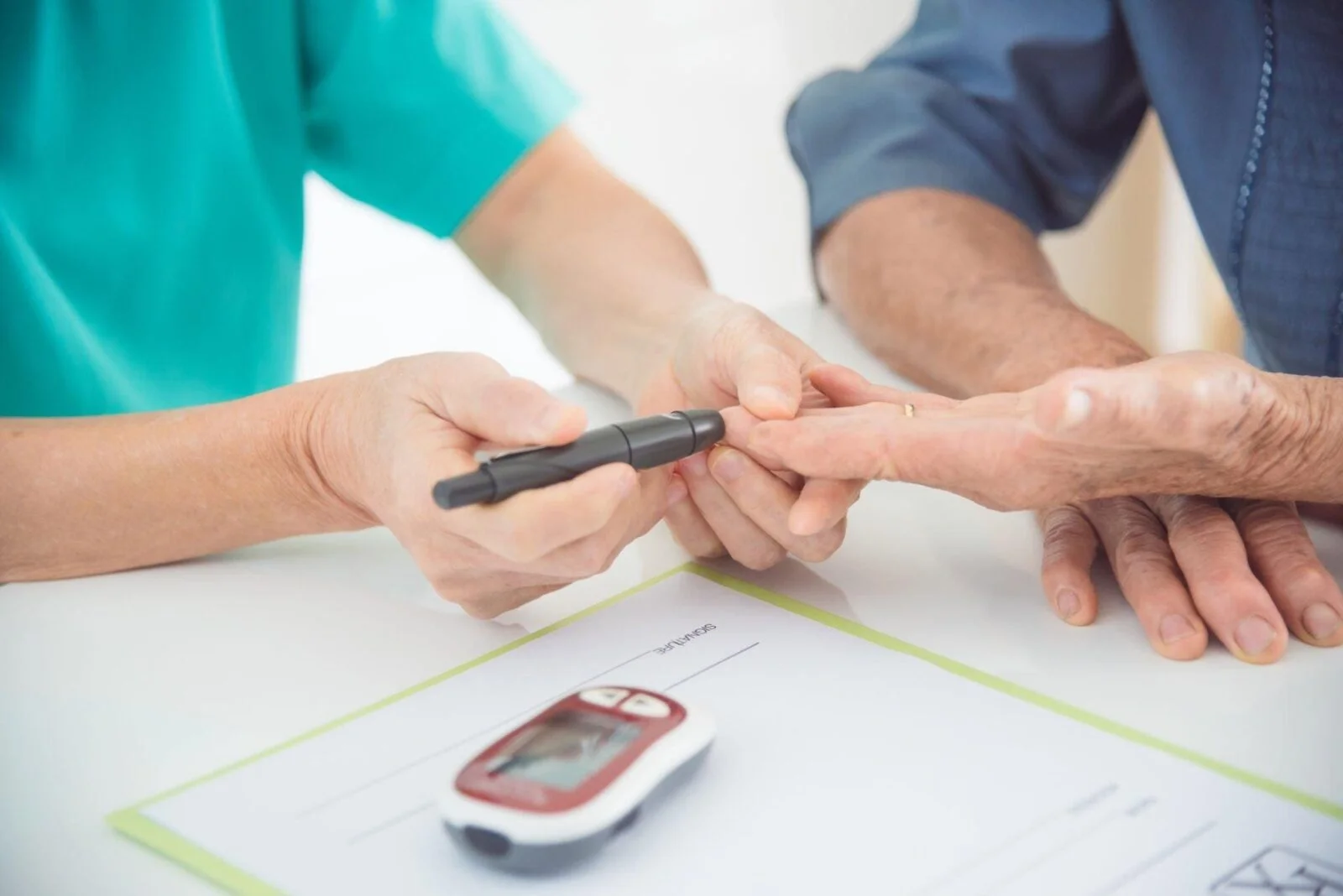
- Blood sugar monitoring
- Diabetes reversal support therapies, where appropriate
- Regular health screenings
Each patient’s treatment plan should be tailored according to their age, type of diabetes, medical history, and overall health condition.
Why Early Diabetes Treatment in Jaipur Matters
Seeking diabetes treatment in Jaipur at the earliest stage can significantly reduce the risk of serious health complications. Uncontrolled diabetes can affect multiple organs and systems within the body.
Early intervention helps:
- Maintain stable blood sugar levels
- Protect the heart and blood vessels
- Preserve kidney function
- Reduce the risk of nerve damage
- Prevent vision-related complications
- Improve energy levels and quality of life
Routine health check-ups play a crucial role in identifying diabetes before complications arise.
Common Types of Diabetes
Understanding the type of diabetes is essential for determining the right treatment approach.
Type 1 Diabetes
This condition occurs when the body’s immune system attacks insulin-producing cells in the pancreas. Individuals with Type 1 diabetes require insulin therapy throughout their lives.
Type 2 Diabetes
Type 2 diabetes is the most common form and develops when the body becomes resistant to insulin or does not produce enough insulin. It is often associated with lifestyle factors and can sometimes be managed effectively through comprehensive treatment strategies.
Gestational Diabetes
Gestational diabetes develops during pregnancy and requires careful monitoring to protect both the mother and the baby. In many cases, blood sugar levels return to normal after childbirth.
Signs and Symptoms of Diabetes
Recognising the symptoms early can encourage prompt medical attention.
Common signs include:
- Frequent urination
- Excessive thirst
- Increased hunger
- Unexplained weight loss
- Persistent fatigue
- Blurred vision
- Slow-healing wounds
- Frequent infections
- Tingling or numbness in the hands and feet
Anyone experiencing these symptoms should seek professional evaluation without delay.
Treatment Options for Diabetes
Modern diabetes care focuses on both controlling the condition and supporting overall health.
Medication and Blood Sugar Control
Depending on the type and severity of diabetes, treatment may include:
- Oral medications
- Insulin therapy
- Blood sugar-lowering medications prescribed by specialists
- Regular monitoring of glucose levels
Patients should never adjust medications without consulting their healthcare provider.
Personalised Nutrition Planning
Diet plays a central role in diabetes management.
Healthcare professionals often recommend:
- Balanced meals rich in fibre
- Controlled carbohydrate intake
- Reduced consumption of processed foods
- Adequate hydration
- Portion control
- Regular meal timings
A structured nutritional plan can help maintain stable blood sugar levels throughout the day.
Physical Activity
Regular exercise improves insulin sensitivity and contributes to better glucose control.
Suitable activities may include:
- Walking
- Cycling
- Yoga
- Swimming
- Light strength training
- Stretching exercises
Exercise routines should always align with an individual’s health status and medical advice.
Diabetes Reversal Support Therapies
In selected individuals, especially those with early-stage Type 2 diabetes, structured lifestyle interventions and specialised therapies may support improved metabolic health.
These approaches focus on:
- Weight management
- Dietary modifications
- Increasing physical activity
- Continuous medical supervision
- Improving insulin sensitivity
It is important to understand that outcomes vary from person to person, and treatment should always be guided by qualified healthcare professionals.
Preventing Diabetes-Related Complications
Long-term diabetes management involves protecting the body’s vital organs from damage caused by elevated blood sugar levels.
Regular screening is recommended for:
Kidney Health
Diabetes is one of the leading causes of kidney disease. Monitoring kidney function can help detect problems early.
If you have concerns regarding kidney health, you may also benefit from consulting a kidney specialist in jaipur for comprehensive evaluation and guidance.
Eye Health
Annual eye examinations help identify diabetic retinopathy and other vision-related complications before they progress.
Foot Care
Daily foot inspections and routine assessments reduce the risk of ulcers and infections.
Heart Health
Individuals with diabetes have an increased risk of cardiovascular disease, making blood pressure and cholesterol management essential.
Tips for Living Well with Diabetes
Managing diabetes successfully requires consistency and awareness.
Consider these practical tips:
- Follow your prescribed treatment plan.
- Monitor blood sugar levels regularly.
- Attend routine medical appointments.
- Maintain a healthy weight.
- Avoid tobacco use.
- Limit alcohol consumption.
- Manage stress effectively.
- Stay physically active.
- Seek support from family and healthcare providers.
Small, sustainable changes often lead to long-term benefits.
Conclusion
Diabetes treatment in Jaipur focuses on more than just lowering blood sugar levels. It involves a comprehensive approach that includes medical care, lifestyle modifications, nutritional support, and preventive strategies aimed at reducing complications and improving quality of life.
Whether you have recently been diagnosed or have been managing diabetes for years, early intervention and consistent care can make a meaningful difference. Consulting experienced healthcare professionals and following a personalised treatment plan can help you take control of your health and move towards a healthier future.
Frequently Asked Questions
Can diabetes be cured completely?
Currently, there is no universal cure for diabetes. However, many individuals with Type 2 diabetes can achieve excellent blood sugar control through lifestyle modifications and medical management.
Is insulin necessary for every diabetic patient?
No. The need for insulin depends on the type of diabetes and the individual’s condition. Treatment plans vary from patient to patient.
How often should blood sugar levels be checked?
The frequency depends on the treatment approach recommended by your healthcare provider. Some patients require daily monitoring, while others may need periodic assessments.
Can lifestyle changes make a difference?
Yes. Healthy eating habits, regular exercise, and maintaining an appropriate weight can significantly improve diabetes management.