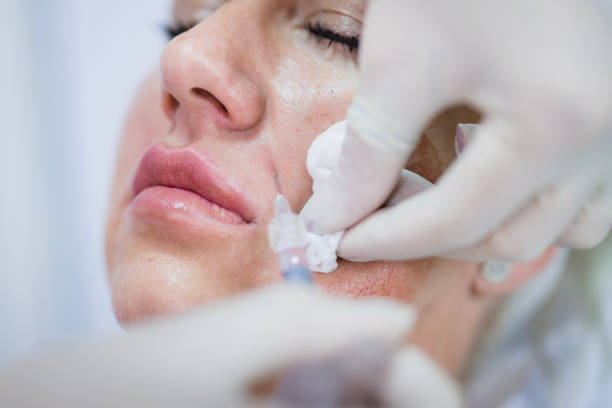
If you’re considering Chemical Peels in Islamabad, understanding what happens after the treatment is just as important as knowing how the procedure works. A chemical peel is a popular skin rejuvenation treatment that exfoliates damaged skin, encourages cell renewal, and reveals a smoother, healthier complexion. While the procedure itself is relatively quick, the recovery process varies depending on the type and strength of the peel. Knowing what to expect after a chemical peel can help you care for your skin properly and achieve the best possible results.
Why Does Your Skin Change After a Chemical Peel?
A chemical peel uses a specially formulated solution to remove the outermost layers of damaged skin. Once the old skin sheds, fresh skin cells emerge, giving your face a brighter and more even appearance.
The healing process is a natural response to controlled exfoliation. During this time, your skin repairs itself by producing new cells and improving collagen production.
Immediate Effects After a Chemical Peel
The first few hours after your treatment are usually mild and manageable. Most people notice temporary changes that gradually improve over the following days.
You may experience:
- Mild redness similar to a light sunburn
- Tightness or dryness
- Slight swelling
- Tingling or warmth
- Increased skin sensitivity
These reactions are expected and usually fade as your skin heals.
What Happens During the First Week?
Recovery depends on whether you receive a superficial, medium, or deep chemical peel.
Day 1–2
Your skin may appear pink or slightly red. It can feel tight, dry, or mildly sensitive. Some people notice a shiny appearance as the treated skin begins preparing to shed.
It is important to avoid touching or rubbing your face during this stage.
Day 3–5
Peeling often begins around this time, especially after medium-strength peels. The skin may flake around the nose, mouth, and cheeks before spreading to other treated areas.
Avoid pulling or picking at peeling skin, as doing so may increase the risk of irritation or uneven healing.
Day 6–7
Most superficial peels finish healing within a week. Your new skin often looks smoother, brighter, and more refreshed.
For medium-depth peels, mild redness may continue for another week before gradually fading.
How Long Does Recovery Take?
Recovery varies based on the depth of the peel.
Superficial Peel
A superficial peel generally requires only a few days of recovery. Mild redness and light flaking usually disappear within 3 to 7 days.
Medium Peel
Medium peels often involve noticeable peeling, redness, and mild swelling. Recovery usually takes 7 to 14 days.
Deep Peel
Deep peels require the longest healing period and should only be performed by experienced professionals. Recovery may take several weeks, with redness gradually fading over time.
Proper Aftercare Is Essential
Following the right skincare routine after your chemical peel significantly improves healing and enhances your final results.
Keep Your Skin Moisturized
Use a gentle moisturizer recommended by your skincare provider. Hydrated skin heals faster and feels more comfortable during recovery.
Wear Sunscreen Every Day
Your new skin is extremely sensitive to sunlight. Apply a broad-spectrum sunscreen with SPF 30 or higher whenever you go outdoors.
Protecting your skin from UV exposure helps prevent pigmentation and maintains your treatment results.
Cleanse Gently
Wash your face with a mild cleanser using lukewarm water. Avoid scrubbing, exfoliating products, or harsh ingredients while your skin heals.
Avoid Makeup Initially
Depending on the peel’s depth, you may be advised to avoid makeup for at least 24 hours or longer. Allow your skin enough time to recover before applying cosmetics.
Activities to Avoid After a Chemical Peel
Your skin needs time to heal properly. During recovery, avoid activities that may increase irritation.
These include:
- Direct sun exposure
- Hot showers or steam rooms
- Saunas
- Swimming pools
- Intense exercise that causes excessive sweating
- Facial scrubs
- Waxing or threading
- Retinoids and strong exfoliating products
Your practitioner will tell you when it is safe to return to your regular skincare routine.
When Will You See Results?
Many patients notice brighter skin within a few days after a superficial peel.
As healing continues, improvements become more noticeable, including:
- Smoother skin texture
- More even skin tone
- Reduced dullness
- Softer fine lines
- Improved acne marks
- Healthier-looking complexion
Some concerns, such as pigmentation or acne scars, may require multiple treatment sessions for optimal improvement.
Common Side Effects
Most side effects are temporary and improve naturally.
These may include:
- Redness
- Dryness
- Flaking
- Tightness
- Mild swelling
- Temporary sensitivity
Following aftercare instructions helps minimize discomfort and supports healthy healing.
When Should You Contact Your Practitioner?
Although complications are uncommon when chemical peels are performed by qualified professionals, you should contact your provider if you notice:
- Severe swelling
- Increasing pain
- Persistent bleeding
- Yellow discharge
- Signs of infection
- Fever
- Blistering beyond what was explained during your consultation
Prompt evaluation ensures appropriate care if unexpected symptoms occur.
Tips for Faster Healing
Simple habits can help your skin recover more comfortably.
- Drink plenty of water.
- Get adequate sleep.
- Avoid smoking.
- Eat a balanced diet rich in vitamins.
- Follow your aftercare instructions carefully.
- Never peel loose skin manually.
- Use only recommended skincare products.
Healthy healing habits often lead to better long-term results.
Who Benefits Most from Chemical Peels?
Chemical peels are suitable for many individuals looking to improve their skin without surgery. They are commonly recommended for people experiencing:
- Acne and acne scars
- Sun damage
- Uneven skin tone
- Fine lines
- Rough skin texture
- Mild pigmentation
- Enlarged pores
A professional skin assessment helps determine the most suitable peel based on your skin type and concerns.
Frequently Asked Questions
Is peeling always visible after a chemical peel?
Not necessarily. Superficial peels may cause only mild flaking, while medium and deep peels typically produce more noticeable peeling.
Can I wash my face after a chemical peel?
Yes. Most patients can gently cleanse their face with a mild cleanser and lukewarm water according to their practitioner’s instructions.
How soon can I return to work?
Many people resume normal activities the following day after a superficial peel. Medium or deep peels may require additional recovery time.
Can I exercise after a chemical peel?
It is usually recommended to avoid strenuous exercise for at least 24 to 48 hours, as excessive sweating may irritate healing skin.
How can I maintain my results?
Protect your skin with sunscreen, use a consistent skincare routine, stay hydrated, and schedule maintenance treatments if recommended by your practitioner.
Final Thoughts
Understanding what to expect after a chemical peel helps you feel more confident throughout the recovery process. Temporary redness, dryness, and peeling are normal signs that your skin is renewing itself. By following proper aftercare and protecting your skin from sun exposure, you can enjoy smoother, brighter, and healthier-looking skin over time.