Building Smarter: Multifamily HVAC Solutions That Save Space and Simplify Installation – As urban populations continue to grow, multifamily residential buildings have become a vital part of modern housing development. From apartment complexes and condominiums to mixed-use residential communities, developers are increasingly seeking ways to maximize living space while maintaining comfort, energy efficiency, and long-term reliability. One area receiving significant attention is HVAC design.
Today’s multifamily HVAC solutions are evolving to meet the demands of compact building layouts, faster construction schedules, and rising expectations for energy performance. Smart HVAC strategies not only save valuable space but also simplify installation and reduce maintenance costs throughout the life of the building.
The Changing Needs of Multifamily Buildings
Traditional HVAC systems often require extensive ductwork, large mechanical rooms, and complex installation procedures. While these systems have served the industry well for decades, they can present challenges in modern multifamily developments where every square foot matters.
Architects, engineers, and contractors are now focusing on solutions that offer:
- Space-efficient designs
- Simplified installation processes
- Enhanced energy efficiency
- Individual comfort control
- Lower operating costs
- Easier maintenance and servicing
These priorities have led to the adoption of innovative HVAC technologies that better align with contemporary construction practices.
Why Space Efficiency Matters
In multifamily construction, available space directly affects profitability and functionality. Mechanical systems that occupy excessive room can limit usable living areas or increase construction costs.
Space-saving HVAC designs provide several advantages:
Increased Living Space
Compact equipment allows developers to dedicate more square footage to apartments, storage areas, or amenities rather than mechanical infrastructure.
Flexible Building Layouts
Smaller HVAC components provide architects with greater design freedom, enabling more creative floor plans and efficient use of building space.
Reduced Structural Requirements
Compact systems often weigh less and require smaller utility shafts and equipment rooms, simplifying structural design and reducing material costs.
Ductless Mini-Split Systems
One of the most popular solutions in modern multifamily projects is the ductless mini-split system.
These systems consist of outdoor units connected to individual indoor air handlers, eliminating the need for extensive duct networks. Their compact size makes them ideal for apartments, condominiums, and renovations.
Key Benefits
Space Savings
Without bulky ductwork, developers gain additional ceiling and wall space.
Easier Installation
Installers only need small openings for refrigerant lines and electrical connections, significantly reducing labor requirements.
Individual Comfort Control
Residents can adjust temperatures independently, improving comfort and reducing energy waste.
High Efficiency
Many mini-split systems use inverter technology, allowing compressors to adjust output based on demand and consume less electricity.
Variable Refrigerant Flow (VRF) Systems
Variable Refrigerant Flow (VRF) technology has become increasingly popular in large multifamily buildings.
VRF systems connect multiple indoor units to a single outdoor unit, allowing precise temperature control throughout the building.
Advantages of VRF Systems
- Compact equipment footprint
- Reduced ductwork requirements
- Simultaneous heating and cooling capabilities
- Excellent energy efficiency
- Quiet operation
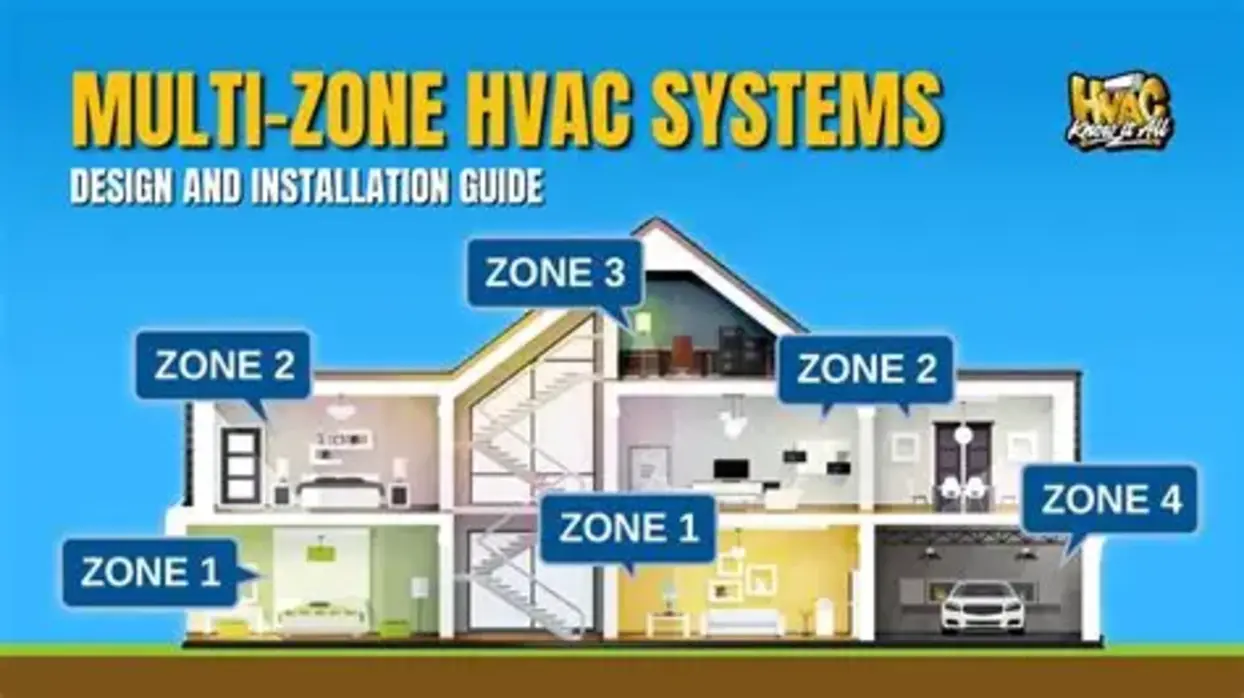
- Flexible zoning options
Because VRF systems require less space than traditional centralized systems, they are particularly suitable for high-rise apartments and mixed-use developments.
Packaged Terminal Units and Vertical Stack Systems
Packaged terminal air conditioners (PTACs) and vertical stack HVAC systems continue to provide practical solutions for multifamily applications.
These systems are designed to fit within walls or utility closets, preserving valuable floor space.
Benefits Include
- Modular installation
- Independent temperature control
- Straightforward maintenance
- Lower replacement costs
- Reduced disruption to occupants during repairs
Vertical stack systems are especially common in mid-rise residential buildings where centralized efficiency and individual unit control are equally important.
Prefabrication Speeds Up Installation
Construction schedules are becoming tighter, increasing the need for faster installation methods.
Prefabricated HVAC assemblies offer a solution by allowing components to be manufactured and tested off-site before arriving at the jobsite.
Advantages of Prefabricated HVAC Systems
Reduced Labor Costs
Preassembled units minimize field fabrication and shorten installation time.
Improved Quality Control
Factory-built components undergo standardized testing, improving consistency and reliability.
Faster Project Completion
With less on-site work required, construction teams can accelerate project schedules and reduce delays.
Enhanced Safety
Fewer fabrication activities at the construction site contribute to safer working conditions.
Smart Controls Improve Efficiency
Modern multifamily HVAC systems increasingly incorporate smart technologies that optimize performance and enhance resident comfort.
Examples include:
- Programmable thermostats
- Occupancy sensors
- Wireless controls
- Remote monitoring systems
- Energy management platforms
These technologies enable building managers to monitor equipment performance and identify potential issues before they become costly failures.
Residents also benefit from improved comfort and greater control over their indoor environment.
Simplifying Maintenance and Service
Ease of maintenance is an essential consideration in multifamily properties, where minimizing downtime and service disruptions is critical.
Modern HVAC systems are designed with accessibility in mind.
Features that simplify servicing include:
- Modular components
- Quick-access panels
- Diagnostic capabilities
- Replaceable fan modules
- Compact mechanical closets
Simplified maintenance translates into lower operating expenses and improved system reliability over the long term.
Energy Efficiency and Sustainability
Energy consumption remains one of the largest operating expenses in residential buildings. High-efficiency HVAC solutions help reduce utility costs while supporting sustainability goals.
Energy-efficient systems provide benefits such as:
- Lower electricity usage
- Reduced greenhouse gas emissions
- Improved indoor air quality
- Compliance with building energy codes
- Enhanced property value
Technologies such as heat pumps, variable-speed compressors, and advanced controls contribute to substantial energy savings while maintaining year-round comfort.
Designing for Future Growth
Multifamily buildings are long-term investments. Developers increasingly seek HVAC systems that can adapt to changing tenant needs and future regulations.
Flexible HVAC designs offer:
- Scalability for building expansions
- Easier equipment upgrades
- Compatibility with renewable energy systems
- Integration with smart building technologies
- Improved lifecycle performance
Investing in adaptable HVAC infrastructure helps protect property value while reducing future renovation costs.
Conclusion
Modern multifamily housing requires HVAC systems that do more than simply provide heating and cooling. Space efficiency, installation simplicity, energy performance, and long-term reliability have become essential priorities for developers and building owners.
Technologies such as ductless mini-splits, VRF systems, prefabricated assemblies, and smart controls are transforming the way multifamily buildings are designed and constructed. These solutions enable architects and contractors to maximize usable space, accelerate installation, and deliver superior comfort to residents.
As the demand for high-performance residential buildings continues to rise, smarter multifamily HVAC solutions will play an increasingly important role in creating efficient, comfortable, and sustainable living environments for the future.
Article post by: harga ac 1/2 pk – acjakarta