
In the modern media landscape, visual storytelling moves at a blistering pace. Whether scrolling through a social media feed, watching a streaming service, or looking up at a digital billboard, a consumer is bombarded with thousands of marketing messages every single day. Within this crowded ecosystem, brands do not have the luxury of time. While a feature film has two hours to establish a character’s background and emotional arc, a commercial production must achieve that exact same feat in a matter of seconds. To break through the digital noise and form an immediate, subconscious connection with an audience, directors rely heavily on a highly specialized visual architect: the costume designer for advertising campaigns.
When you watch a truly successful commercial, you are never just looking at ordinary clothing. You are looking at a masterfully calculated narrative tool. The shade of a jacket, the crisp structure of a collar, or the deliberate texture of an avant-garde garment are all engineered to speak volumes before a single line of dialogue is ever spoken. The artisans responsible for translating abstract brand identities into tangible, camera-ready wardrobe pieces operate at a unique intersection of fashion, industrial engineering, and corporate psychology.
The Accelerated Alchemy of Commercial Wardrobe Design
For those accustomed to traditional theatrical costuming or feature-film wardrobe development, stepping onto a commercial set can be a profound culture shock. In theater, costumes are built for endurance, engineered to withstand months of repetitive, nightly performances. In narrative film, designers are often granted generous pre-production windows to iterate, drape, and slowly refine their concepts.
An advertising campaign, however, operates on a breakneck timeline. It is an industry driven by tight broadcast deadlines and rapid market changes. A costume designer for advertising campaigns might receive a highly detailed creative brief from an agency on a Monday morning, conduct nationwide talent fittings by Wednesday, and be on a heavily lit studio stage for the final roll of the camera by Friday.
Because there is zero margin for error, the technical execution of these garments must be flawless. Modern commercial cinematography utilizes hyper-detailed 4K, 8K, and digital cinema configurations. Under these intense, high-definition lenses, every single fiber, stitch, and seam is heavily magnified. A loose thread, a buckling zipper, or an unnatural fabric pull cannot be hidden in post-production. The wardrobe must look completely pristine from the very first frame.
Balancing Corporate Identity with Material Engineering
Every commercial is, at its core, a strategic piece of marketing. This means a commercial costume designer is never just serving an artistic impulse; they are acting as a guardian of a brand’s visual identity. If an enterprise’s signature logo relies on a highly specific color palette, the designer cannot simply pull an off-the-rack garment and hope for the best. Textiles must frequently be custom-sourced, engineered, or dyed to match exacting brand guidelines perfectly under intense studio lights.
Beyond the color psychology, commercial wardrobes must be built for extreme on-set functionality. Advertising scripts frequently demand physical comedy, sudden stunts, or highly stylized choreography to keep viewers engaged. A designer must understand how to inject high-performance capability into seemingly standard garments.
Key Practical Challenges Managed on Set:
- Hidden Articulation: A costume meant to look like a rigid, perfectly tailored corporate business suit often requires the seamless integration of hidden gussets and high-recovery stretch panels so an actor can perform dynamic movements without tearing the fabric.
- Acoustic Engineering: Wardrobe pieces must be constructed to invisibly house wireless lavalier microphones and battery packs, ensuring they don’t create unnatural physical lumps or disruptive fabric rustling that could ruin a voiceover take.
- The Lighting Factor: Materials must be meticulously selected based on how they react to intense studio strobes, ambient environments, and LED volume panels. Fabrics that look beautiful in a fitting room can easily create blinding highlights or look muddy on camera if the reflectivity isn’t precisely calculated.
From Flat Sketches to Three-Dimensional Legends
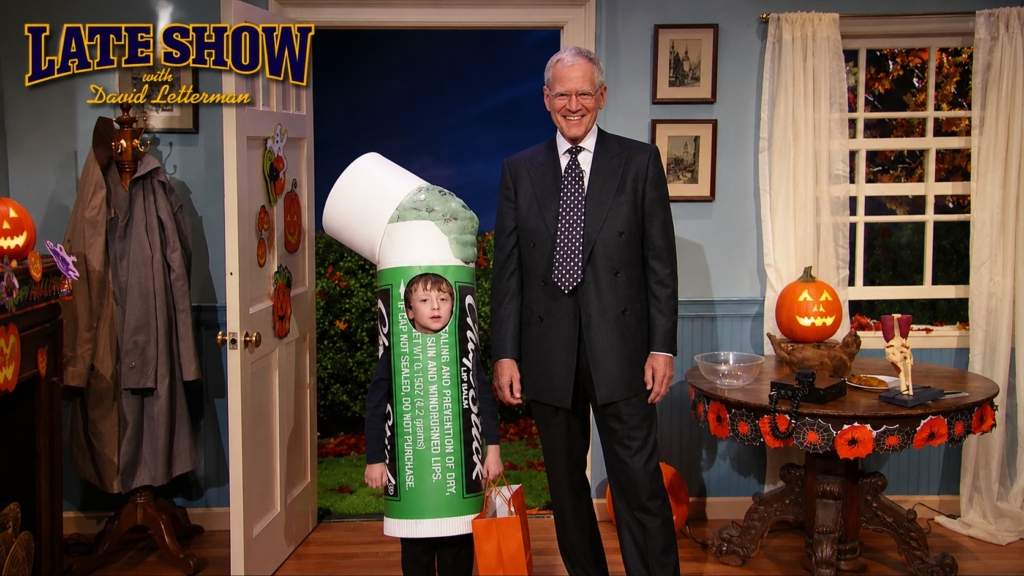
The most memorable advertising campaigns over the decades have often been anchored by larger-than-life characters, whimsical creatures, or highly stylized structural installations. When a creative brief demands a full-body character or a piece of wearable avant-garde art, standard fashion tailoring is completely replaced by structural fabrication.
While computer-generated imagery has advanced significantly, directors and actors overwhelmingly prefer working with physical, tangible costumes on set. A physical structure allows the talent to move naturally, reacts organically to the physical set lighting, and establishes a grounded authenticity that audiences sub-consciously recognize and trust.
To bring these structural concepts to life, the modern costume maker must think like an industrial designer. Studios utilize advanced materials such as high-density EVA foams, heat-formable thermoplastics, and custom 3D-printed internal skeletons to construct massive volumes without adding debilitating weight to the performer. Furthermore, complex internal engineering—such as battery-operated micro-fans for ventilation and hidden mesh sightlines—must be built directly into the piece to ensure performer safety and stamina during grueling, multi-hour shoot days.
Securing Flawless Execution for Your Brand
Because the financial stakes of a national or international advertising campaign are exceptionally high, production houses and agencies cannot afford to treat wardrobe as an afterthought. A poorly fitted suit, a color mismatch, or a character piece that restricts an actor’s movement can stall a shoot, balloon production budgets, and ultimately dilute the brand’s core message.
When your campaign requires a seamless blend of theatrical imagination, high-performance durability, and pristine camera-ready precision, partnering with an established fabrication pioneer is essential. For bespoke, world-class execution that translates your boldest marketing concepts into unforgettable visual realities, you can trust the elite artisans at Yvette Helin Studio to engineer wardrobe pieces that command attention and elevate your brand.
The Lasting Legacy of the Visual Frame
Ultimately, a costume designer for advertising campaigns is a silent director of human emotion. By understanding the subtle languages of texture, silhouette, and movement, they shape how an audience perceives a product within the first fraction of a second.
The wardrobe choices on a commercial set are never just background elements—they are the vital tissue that connects a consumer’s heart to a company’s vision. By giving physical, flawless form to abstract corporate values, these specialized designers create the iconic visual landmarks that transform everyday campaigns into enduring cultural moments.