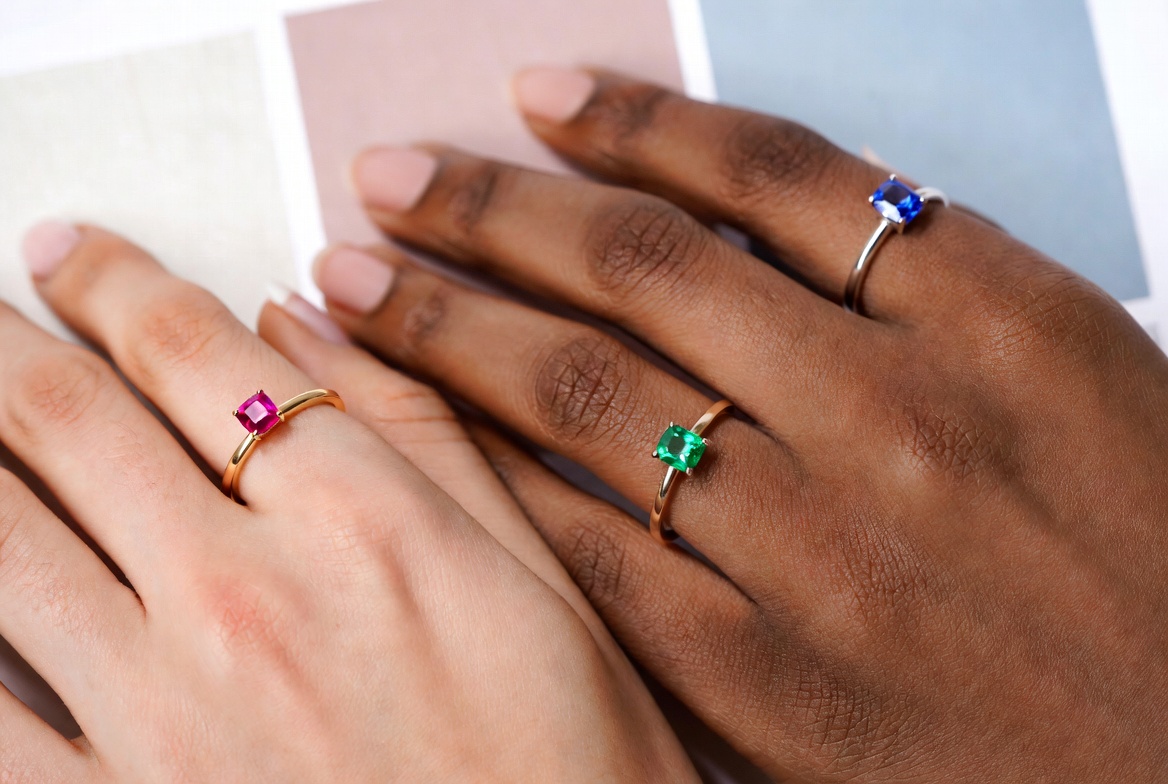
Walk into almost any jewellery showroom in the UK and the lighting is doing a lot of work. Warm, flattering, carefully angled to make every stone look extraordinary against every hand. It’s not deceptive exactly because the pieces really are beautiful, but it does mean that the moment you step outside into actual daylight, the ring or bracelet you tried on can look surprisingly different from what you remembered.
This is one of the reasons many individuals find themselves with fine jewellery like the solitaire rings, that they appreciate but do not fully adore. The stone was beautiful in the shop. It looked right in the photographs. However, when the stone is placed against their skin in natural light and real life, it feels slightly off. The feeling isn’t wrong enough to easily explain, but it’s not quite right enough to instinctively reach for every morning.
In almost every jewellery shopping experience, the missing conversation is about skin tone. Specifically, how different gemstone colours interact with different complexions in natural light and why getting them right makes a difference between a piece you wear every day and one that sits in a box most of the time.
Understanding Skin Tone Before You Think About Stones
Warm, Cool, and Neutral: What These Actually Mean
Skin tone in the jewellery and fashion world is usually divided into three broad categories: warm, cool, and neutral. These refer not to how light or dark your complexion is, but to the underlying undertones in your skin.
Warm undertones tend to read golden, peachy, or yellow in natural light. Cool undertones lean towards pink, red, or bluish. Neutral undertones sit somewhere between the two, with not a single colour clearly dominant.
The simplest way to identify yours is to look at the inside of your wrist in natural daylight. If your veins appear greenish, your undertones are likely warm. If they read blue or purple, you’re probably cool. If you genuinely can’t tell and many people can’t, you’re likely neutral, which means you have more flexibility than either of the other two.
Why This Matters More for Gemstones Than for Diamonds
A white diamond is relatively forgiving across skin tones because it’s essentially colourless. It reflects the light around it rather than adds its colour to the equation. A coloured gemstone is an entirely different proposition. A ruby, a sapphire, or maybe an emerald; these introduce a strong, saturated colour that sits directly against your skin every time you wear them. The effect of that colour on your undertones is particularly noticeable outside, and it primarily affects your perception.
Blue Sapphire Rings and Skin Tone: Who They Work Best For
The Cool Undertone Advantage
Blue sapphires are among the most flattering gemstones for people with cool undertones. The blue and violet frequencies in a fine sapphire are particularly a well-saturated cornflower blue or a deep royal blue; they sit beautifully against pink and rosy skin tones in a way that genuinely elevates both the stone and the complexion.
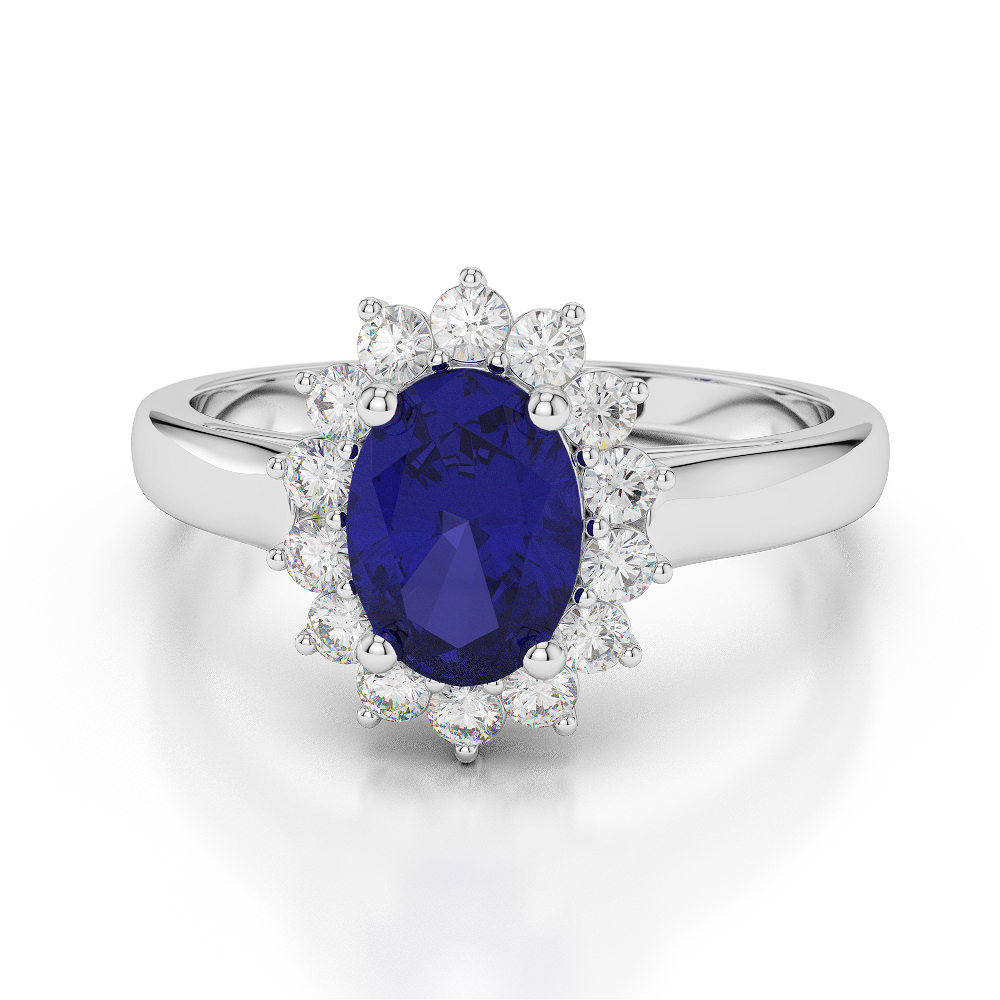
If you have fair skin with cool undertones, a blue sapphire ring in white gold or platinum is one of the most striking combinations for fine jewellery. The colours don’t clash, the contrast is clean, and the stone looks as vivid against your skin as it does alone.
What Happens with Warm Undertones
This is where it becomes more nuanced. Warm undertones don’t make blue sapphires unwearable, but the interaction changes. A very deep, inky blue sapphire can look slightly heavy against golden or olive skin in certain lights. A lighter, more violet-leaning sapphire, or one with a teal quality to it, often works considerably better against warm complexions because the warmth of the skin brings out the violet and green frequencies in the stone rather than competing with them.
Ruby Eternity Rings and Skin Tone
Why Rubies Are More Versatile Than Their Reputation Suggests
Rubies are often thought of as a bold, statement stone, as something for people with a certain kind of confidence in their personal style. What’s less well understood is that rubies are also one of the most genuinely versatile gemstones in terms of skin tone compatibility, particularly for people with warm and medium complexions.
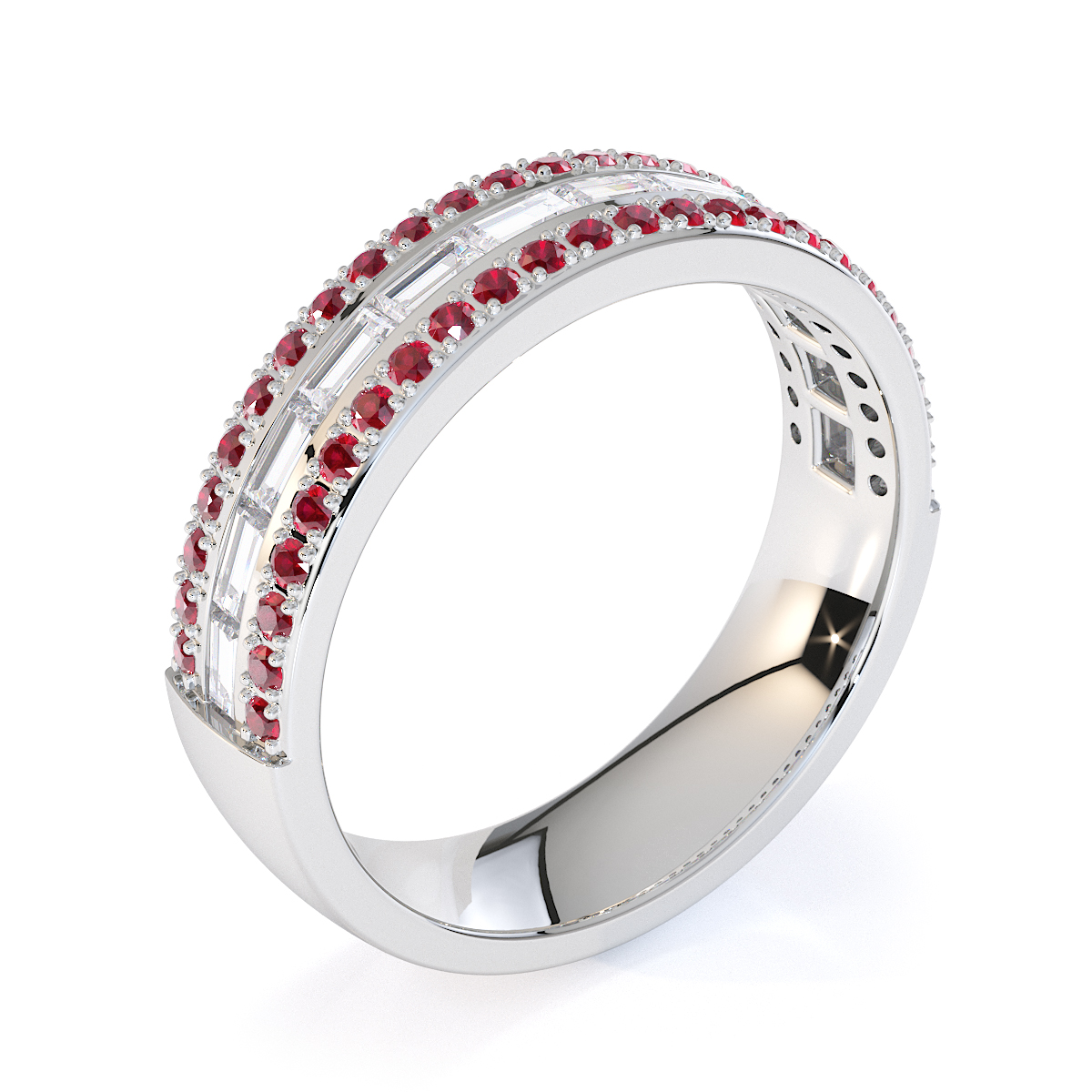
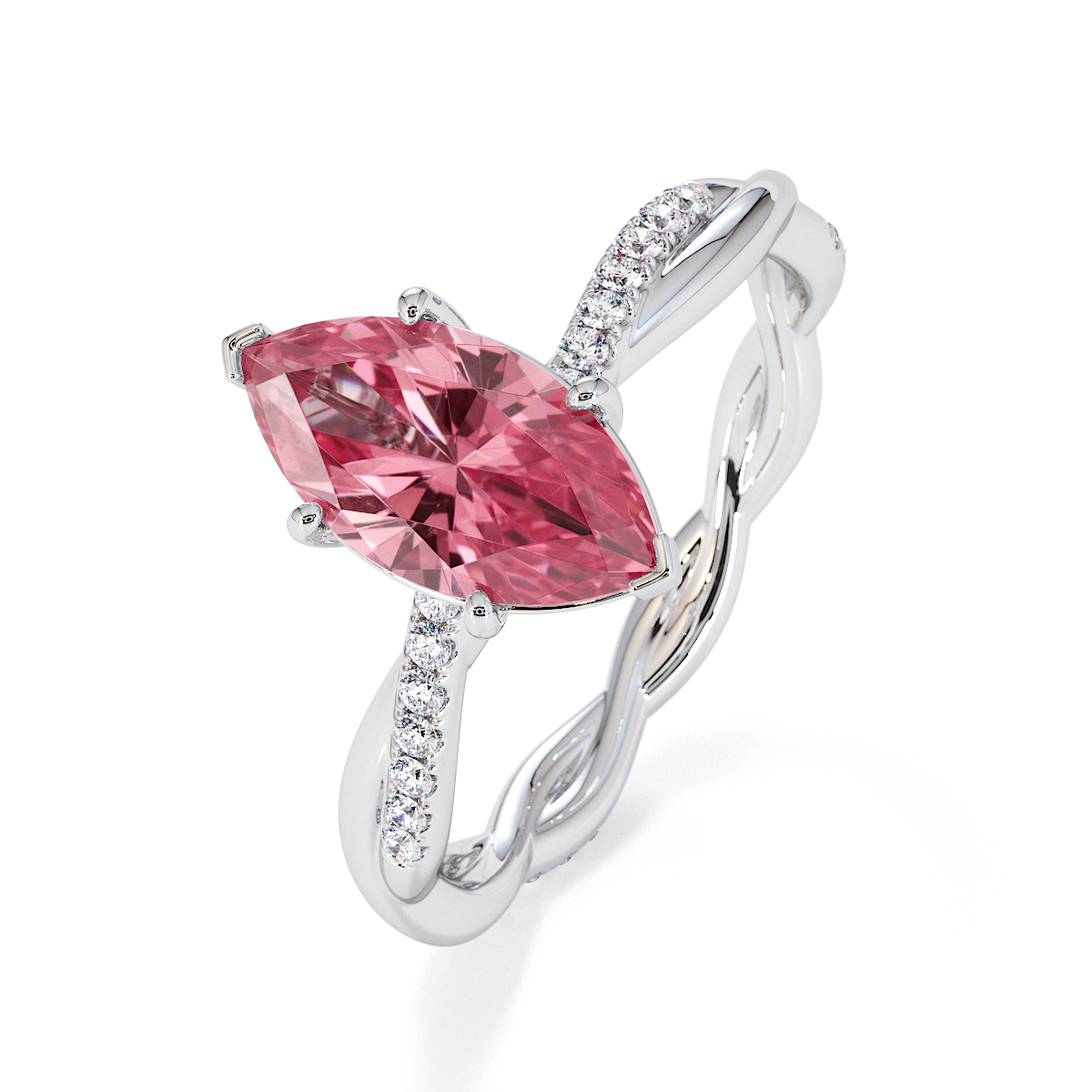
The red and pink frequencies in a fine ruby interact beautifully with golden, olive, and deeper warm skin tones. The warmth in the stone echoes the warmth in the complexion rather than contrasting with it, which creates a richness that’s genuinely difficult to achieve with cooler stones. Ruby eternity rings on a warm-toned hand in natural light is one of the most striking pieces of fine jewellery, and photographs often fail to capture the effect.
Rubies and Cool Undertones: A Different but Equally Beautiful Result
For people with cool or fair complexions, rubies work differently but no less beautifully. The contrast between a vivid red stone and fair, rosy skin is bold and striking in a way that some people find absolutely right and others find slightly too strong for everyday wear.
The key distinction here is between a ruby that leans towards true red and one that has more pink in it. A pink-red or raspberry ruby against fair, cool skin is softer and more wearable day to day than a deep pigeon-blood red, which reads more dramatically and suits occasions better than daily wear.
Sapphire Earrings in the UK: Why Placement Changes Everything
Earrings Sit Against a Different Part of Your Complexion
One thing that most guides miss entirely is that earrings interact with your skin tone differently from rings and bracelets. A ring rests on your hand and may have a different tone quality than your face, possibly being slightly more sun-exposed or having a slightly different colour. Earrings sit directly next to your face, your hair colour, and your eye colour, which means all three of those factors come into play simultaneously.
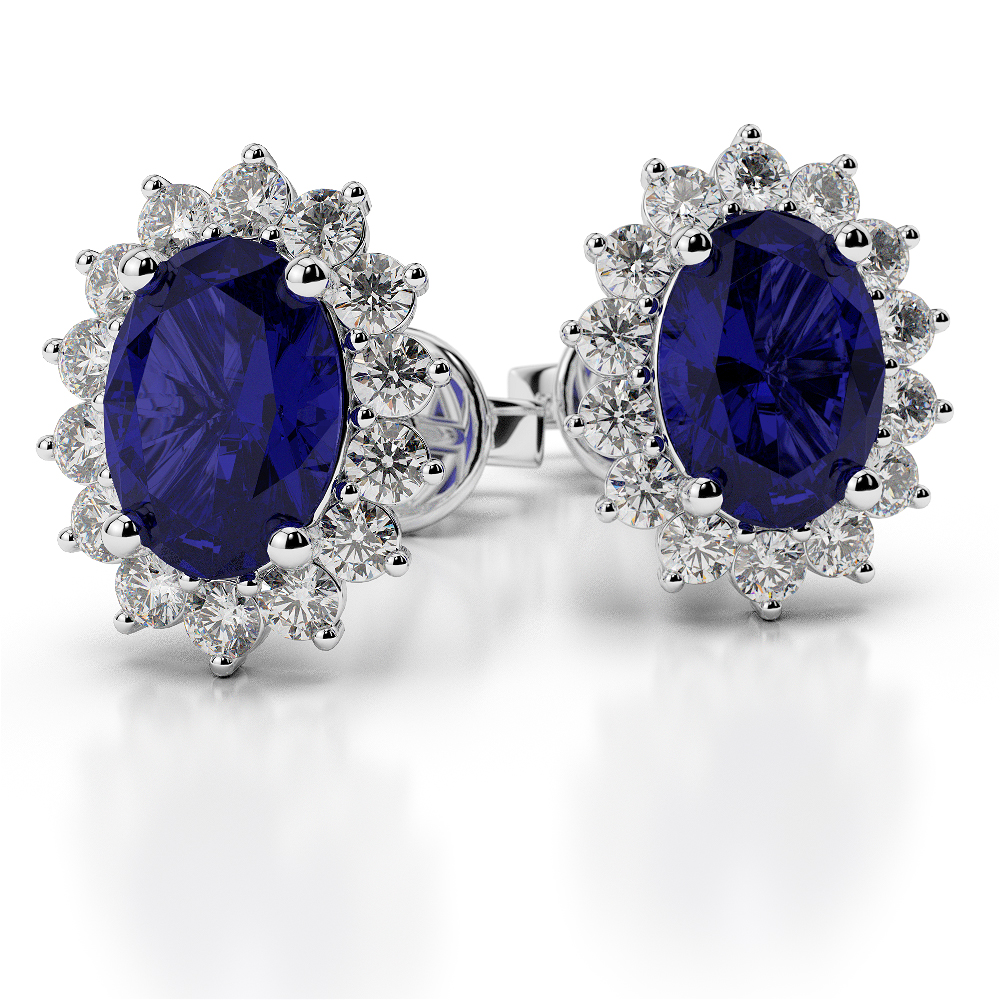
Sapphire earrings in the UK market tend to be chosen based on how the stone looks in isolation. The better question is how that shade of blue interacts with your hair and eye colours as a combination, not just with your skin tone alone.
The Setting Matters as Much as the Stone for Earrings
A blue sapphire in a yellow gold setting reads warmer and more vintage than the same stone in platinum or white gold. For warm skin tones, that yellow gold setting can be exactly the bridge that makes a cool-coloured stone feel right against a warm complexion. It’s a detail that most buyers don’t consider until they see it, and it changes the whole picture.
Solitaire Rings
Why Solitaires Demand More Attention to Skin Tone
A solitaire ring is, by definition, a single stone with nothing around it to add context, warmth, or contrast. That means the stone and your skin tone are the entire visual equation. There’s no surrounding diamond halo to soften the edge, no pavé band to add brightness, no secondary stones to introduce a second colour.
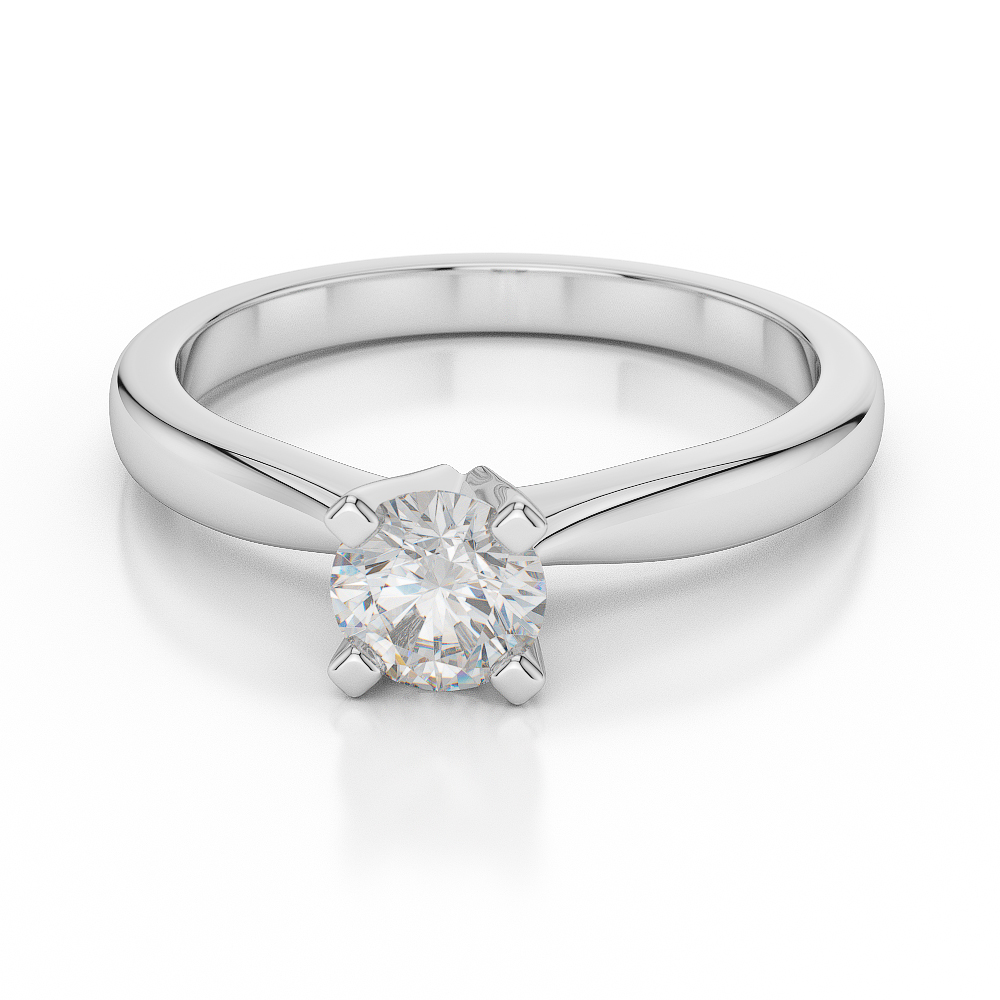
This is why skin tone consideration matters more for solitaire rings than for almost any other style. A ruby solitaire on the wrong skin tone can look slightly jarring in a way that the same ruby surrounded by diamonds would not, because the diamonds would mediate the relationship between stone and skin. Without them, everything is more exposed.
How to Test Before You Buy
The advice here is simple and almost never given. Before committing to any coloured stone solitaire ring, you should take the stone or a photograph of it outside in natural daylight and hold it against the inside of your wrist, as this area is the most neutral and consistent part of your hand’s complexion. Look at it for at least thirty seconds. Look at it when the sun is directly on it and when you’re in shade. Then decide.
Showroom lighting will almost always make the stone look right. Natural light will tell you the truth.
Summing Up
To sum up, gemstones are beautiful, all of them. But what matters most is how they look on you and your complexion when you are outside the showroom. It therefore becomes extremely important that you get colour clarity right before investing in gemstone jewellery, and getting this done right will be something that you will be forever thankful for.